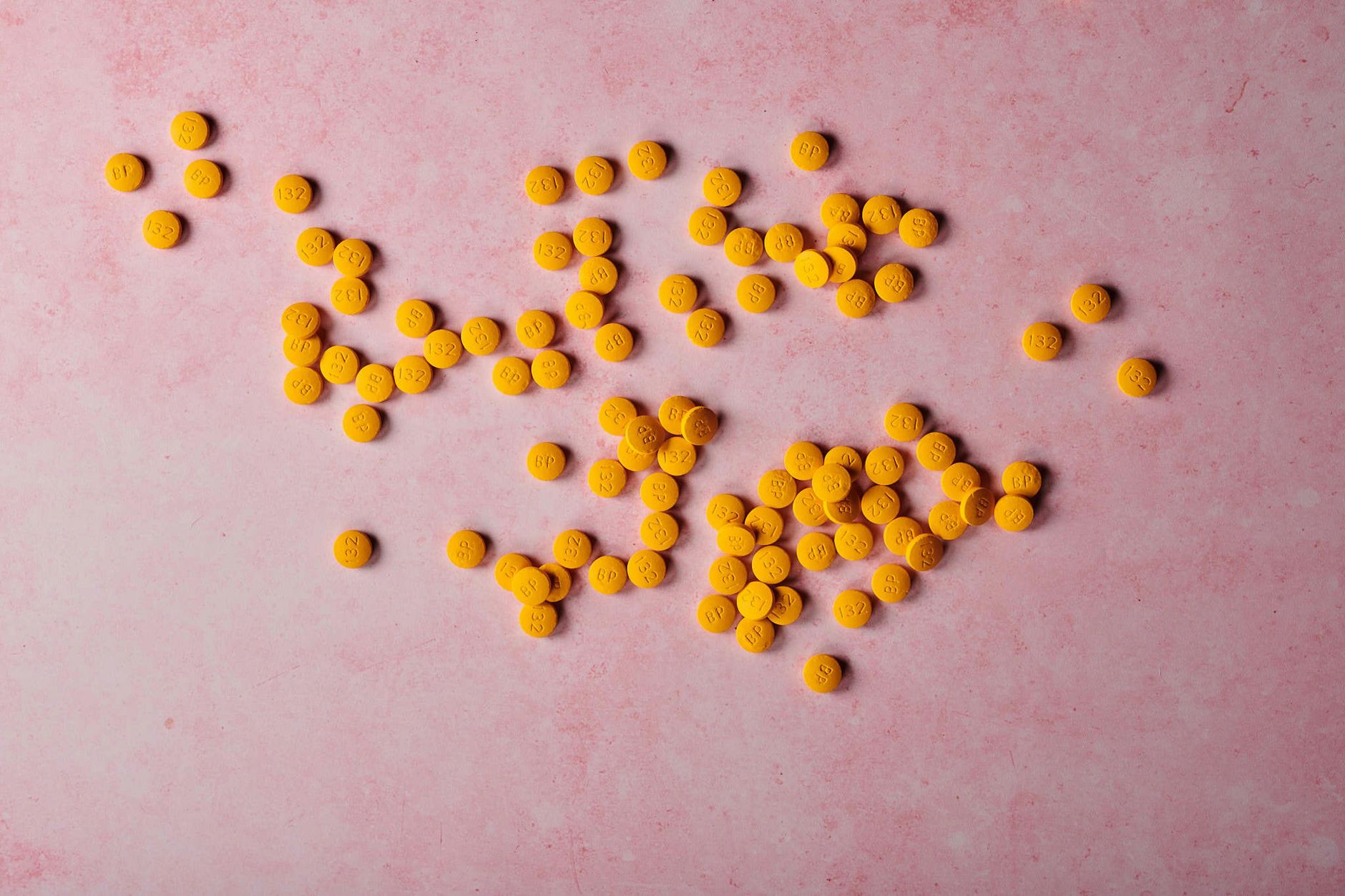
Somewhere between a TikTok algorithm and a Zoom psychiatrist, millennial and Gen X women discovered they've been white-knuckling through life with undiagnosed ADHD. The numbers are staggering: adult ADHD diagnoses among women have surged 400% in the past decade, with the steepest climb post-2020. What started as pandemic brain fog became pattern recognition, then revelation.
But the rush toward diagnosis has fractured into camps. Some see overdue acknowledgment of how ADHD presents differently in women—years of being told they're "just anxious" or "too sensitive" finally validated. Others see diagnostic creep, where normal variations in focus and energy become medicalized, particularly when those variations belong to women managing impossible loads. The stimulant prescription that often follows diagnosis has become its own flashpoint, sitting uncomfortably at the intersection of medical necessity, performance enhancement, and the pressure to optimize every cognitive function.
The masking revelation
Women are realizing they've spent decades performing neurotypicality through sheer force of compensatory strategies—color-coded planners, elaborate reminder systems, chronic people-pleasing to offset perceived flakiness. The term "masking" has moved from clinical literature to common parlance, describing the exhausting performance of appearing organized, attentive, and together. These late diagnoses aren't discovering new symptoms; they're naming survival mechanisms that always felt like personal failures. The relief is profound, but so is the rage at how much energy was spent pretending.

TikTok as diagnostic engine
The platform's algorithm has become an unexpected pathway to medical recognition, serving women ADHD content that mirrors their lived experience with eerie precision. Videos about time blindness, rejection sensitivity, and the specific chaos of the ADHD brain have garnered billions of views, creating a mass identification moment. Critics argue it's encouraging self-diagnosis and pathologizing normal behavior, but defenders point out that women are simply recognizing patterns that doctors consistently missed. Either way, social media has democratized—and complicated—the diagnostic process in ways the medical establishment hasn't caught up with.
The stimulant divide
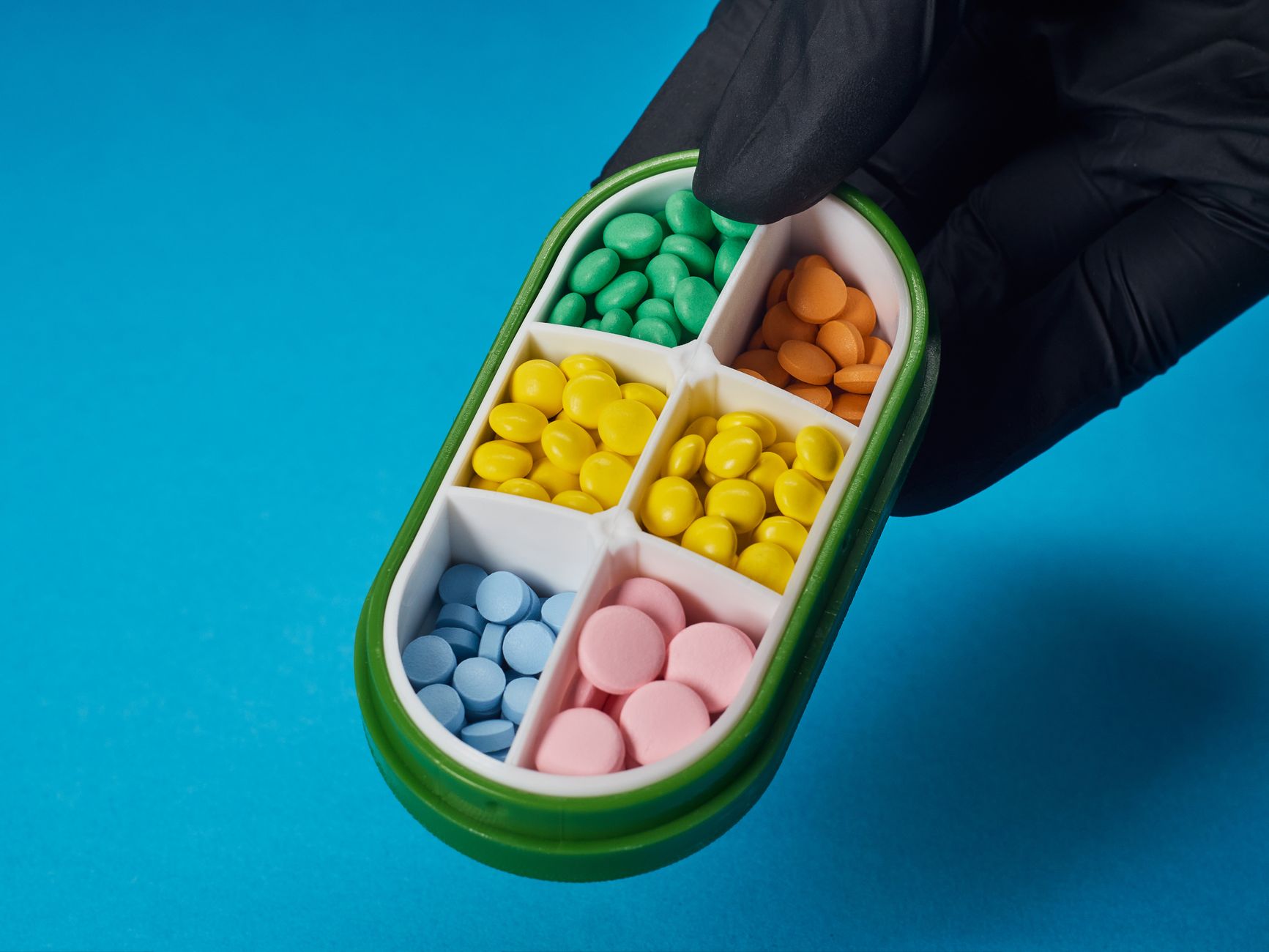
Adderall and Vyvanse prescriptions have become cultural fault lines. For some women, stimulants are the difference between functional and drowning—the first time their brain has felt quiet enough to actually think. For others, including those watching from the outside, it looks like cosmetic neurology: optimizing focus and productivity in a culture that already demands too much. The shortage of ADHD medications in 2022 and 2023 amplified tensions, with newly diagnosed adults competing for supply against people who'd relied on prescriptions for years. The question isn't whether ADHD is real—it's who gets to claim it, and whether stimulants have become ambient performance enhancement dressed in diagnostic language.

The gender diagnosis gap closes violently
ADHD research was built on studies of hyperactive boys, creating diagnostic criteria that missed how the condition manifests in girls: inattentive rather than disruptive, internally chaotic rather than externally obvious. Decades of women were told they couldn't have ADHD because they sat still in class, did their homework, and didn't throw chairs. Now those same women are in their 30s and 40s, burned out from compensating, and finally being seen. The correction is necessary but whiplash-inducing, leaving some to question whether we're fixing a gap or overcorrecting into a new problem where every woman who struggles with focus can claim a diagnosis.

Pandemic brain as gateway
COVID-19 demolished the scaffolding many women had built to manage undiagnosed ADHD—external structure, social accountability, physical separation between work and home. When those supports vanished, the executive dysfunction became undeniable. Working from home in sweatpants, women suddenly couldn't ignore that they'd been relying on office routines and coworker oversight to function. The pandemic didn't cause ADHD, but it revealed it, stripping away the environmental compensations that had kept symptoms just manageable enough to dismiss. That revelation sent thousands toward diagnosis, though skeptics note that pandemic conditions made everyone's focus worse.

The $50 telehealth diagnosis
Startups like Done and Cerebral industrialized ADHD diagnosis, offering 30-minute video appointments and same-day stimulant prescriptions—until DEA scrutiny and internal whistleblowers revealed how easy it was to game the system. The telehealth ADHD boom made diagnosis accessible to women who'd been dismissed by traditional psychiatry, but it also made it fast and frictionless enough to raise questions about diagnostic rigor. Some women found validation and treatment they desperately needed; others found a streamlined path to prescription stimulants without the guardrails. The companies have mostly collapsed under regulatory pressure, but they exposed how diagnosis itself has become a consumer product.

The productivity trap diagnosis
There's a cruel irony in women seeking ADHD diagnosis because they can't meet impossible standards of productivity, then treating it so they can meet those standards more effectively. The diagnosis offers explanation and relief, but the treatment often serves the same systems that made women feel broken in the first place. Stimulants help you focus, but focus on what—more work, more optimization, more performing of competence in a culture that demands women be endlessly capable? Some women are questioning whether the problem is their brain chemistry or the expectation that they should effortlessly manage careers, households, emotional labor, and aesthetic maintenance without ever appearing strained.

The narrative splits
Two completely contradictory stories about the ADHD surge coexist, and both feel true. One: women are finally being diagnosed with a real condition that was always there, ending decades of suffering in silence and being told to just try harder. Two: we've medicalized the normal struggle of being a woman under late capitalism, turning reasonable responses to unreasonable demands into symptoms requiring pharmaceutical intervention. The most uncomfortable possibility is that both are happening simultaneously—genuine cases finally recognized alongside diagnostic expansion that pathologizes stress, exhaustion, and the cognitive load of simply existing as a woman. The question no one wants to ask: if most women meet diagnostic criteria, is it a condition or a feature of the environment?