Google owns apartment buildings in Mountain View. Meta is planning a mixed-use development that could house 15,000 residents. Amazon controls entire blocks in Seattle. What sounds like dystopian fiction is actually the logical endpoint of a decade-long trend: when you can't recruit talent because housing is unaffordable, you build the housing yourself.
The company town—a relic we thought died with coal mines and factory whistles—is being resurrected by the same companies that promised to liberate us through remote work. Except this version comes with farm-to-table cafeterias, meditation pods, and rent deducted directly from your paycheck. Here's how corporate America is becoming your landlord, your employer, and your city planner all at once.
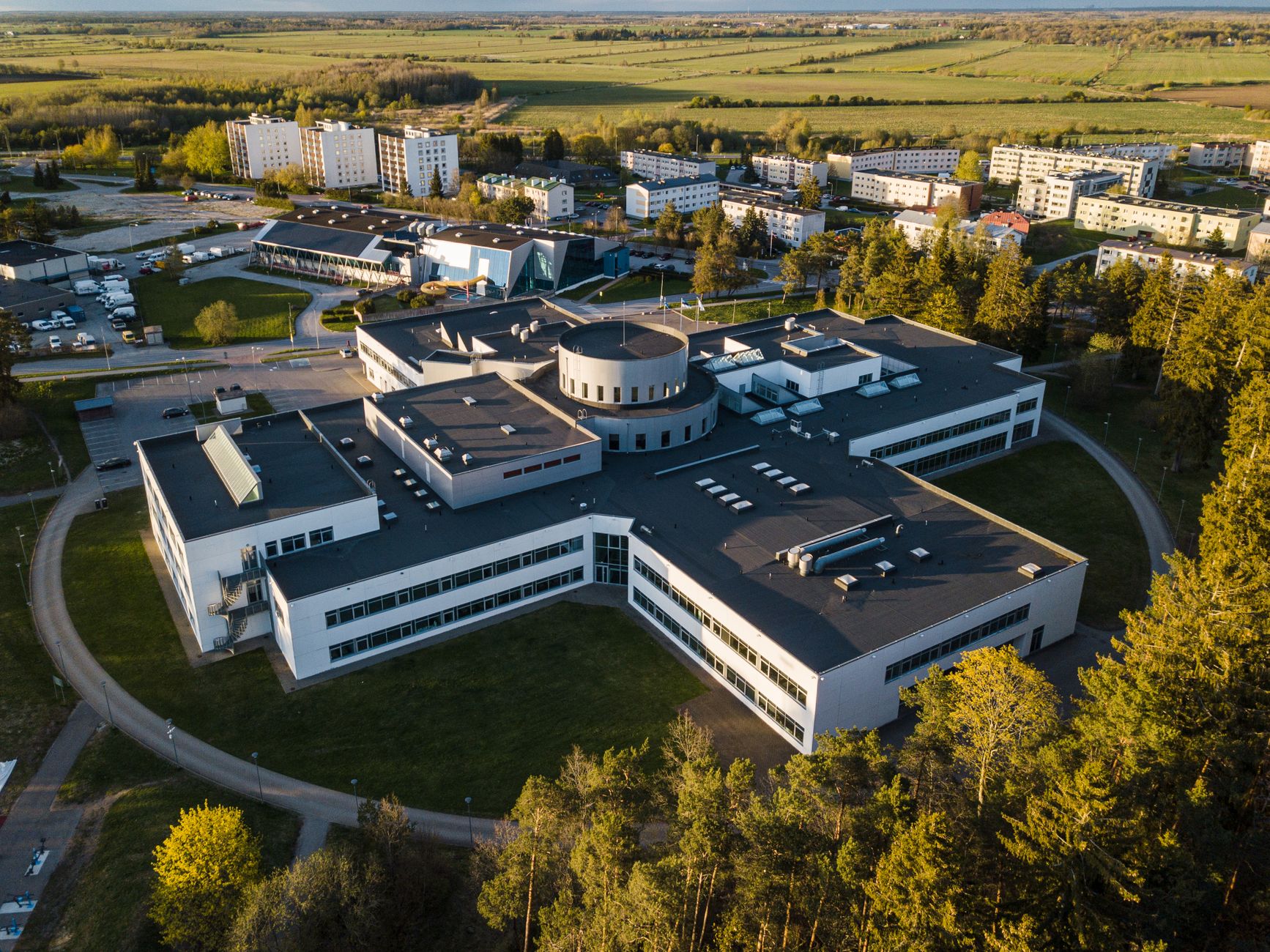
Tech campuses are evolving into actual residential communities
Apple, Google, and Meta aren't just adding housing near their offices—they're building master-planned communities complete with schools, retail, and parks. Meta's Willow Campus will include 1,729 residential units alongside office space. This isn't employee housing tucked behind the loading dock; it's urbanism with a corporate benefactor. The pitch is walkability and convenience, but the subtext is captivity—why leave when everything you need exists within the ecosystem?

The math works because Silicon Valley housing is genuinely broken
When a San Francisco one-bedroom rents for $3,500 and your commute involves sitting in traffic for 90 minutes, company-subsidized housing 10 minutes from your desk starts looking rational. Tech workers are making six figures but living like graduate students, crammed into shared apartments or enduring brutal commutes from Tracy or Gilroy. Companies positioning themselves as housing solutions aren't altruistic—they're solving a talent retention problem that municipal governments have spent decades failing to address.

Employees are willingly trading autonomy for affordability
The new company town resident isn't coerced; they're opting in, often enthusiastically. Subsidized rent, zero commute, built-in social networks—for younger workers especially, it's an attractive package. But autonomy has a price, and that price is increasingly clear: when your landlord is your employer, calling in sick gets complicated. Organizing becomes awkward. Leaving means not just finding a new job but finding a new home, simultaneously, in one of America's least affordable markets.
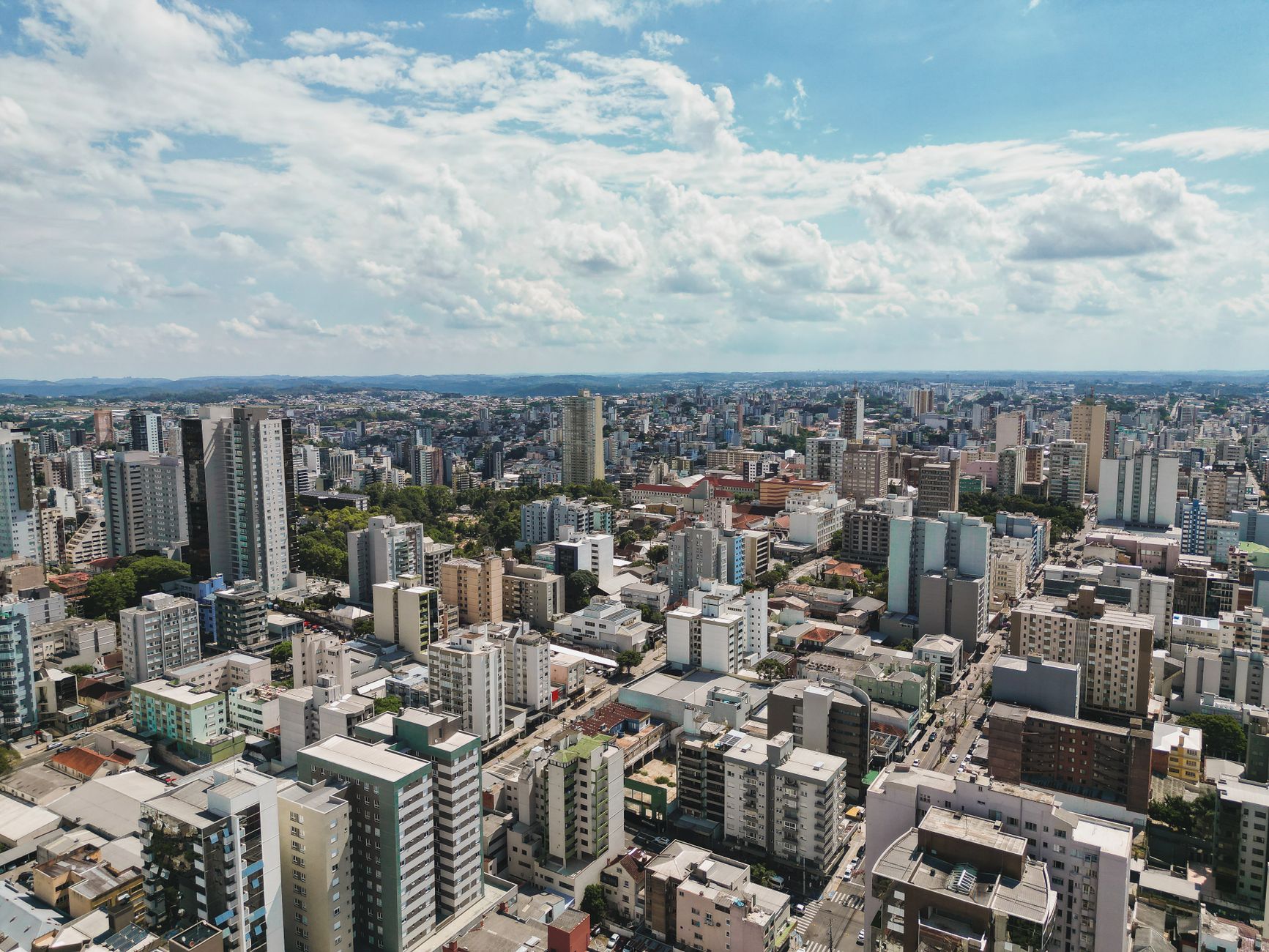
Cities are letting corporations do urban planning because they're desperate
Mountain View, Menlo Park, and Sunnyvale have effectively outsourced housing development to the companies headquartered within their borders. Municipal governments, hamstrung by Proposition 13 and decades of underbuilding, are approving corporate developments they'd never greenlight from traditional developers. The trade-off is transparent: cities get housing units and tax revenue, companies get control. What gets lost is any pretense of democratic input into how communities develop and who they serve.

This model will spread beyond tech—and beyond California
Amazon's HQ2 in Arlington already includes residential components. Healthcare systems in Nashville and Phoenix are exploring similar models. Even manufacturers are reviving the concept in areas where affordable housing limits recruitment. The template is established: identify markets with housing shortages and wage premiums, build mixed-use developments, offer rent as a benefit. Within five years, company towns won't be a Silicon Valley curiosity—they'll be standard corporate real estate strategy, which means the question isn't whether this spreads, but how much of American housing will be corporate-owned by 2035.
- Tech campuses are evolving into actual residential communities
- The math works because Silicon Valley housing is genuinely broken
- Employees are willingly trading autonomy for affordability
- Cities are letting corporations do urban planning because they're desperate
- This model will spread beyond tech—and beyond California