The corporate feminism playbook—wellness stipends, leadership panels, and International Women's Day tote bags—is rotting from the inside out. After years of being told that empowerment comes through corporate-sponsored yoga and networking happy hours, women are looking at their paychecks and realizing the math doesn't add up. The girlboss era sold us a vision of professional liberation that conveniently required buying things: courses, coaching, confidence workshops. Now, the bill is coming due.
This isn't quiet quitting. It's a louder rejection of the idea that women need to be fixed, optimized, or empowered by their employers rather than simply paid fairly and promoted equitably. From Gen Z professionals skipping the mentorship brunches to executives walking away from companies that tout diversity while maintaining all-male C-suites, the message is clear: keep your empowerment budget and show us the compensation data instead.

The 'Lean In' Generation Is Cashing Out
Women who spent a decade leaning in are now leaning out—often permanently. The cohort that absorbed Sheryl Sandberg's gospel watched their male peers advance while they optimized their executive presence and attended resilience training. They negotiated like they were taught, joined employee resource groups, and still hit the same ceiling. Now they're choosing portfolio careers, consulting work, or industries that never promised empowerment in the first place because at least there's honesty in the transactional clarity.

Empowerment Budgets Are Replacing Real Money
Companies are dedicating millions to women's leadership initiatives while gender pay gaps in those same organizations remain static or widen. The problem isn't a lack of confidence workshops—it's structural. But empowerment programs are excellent PR and far cheaper than closing wage disparities or creating equitable promotion pathways. Women are noticing that 'investing in women' has become code for 'everything except their salaries.' The meditation app subscription feels particularly hollow when you discover your male colleague makes 20% more for identical work.
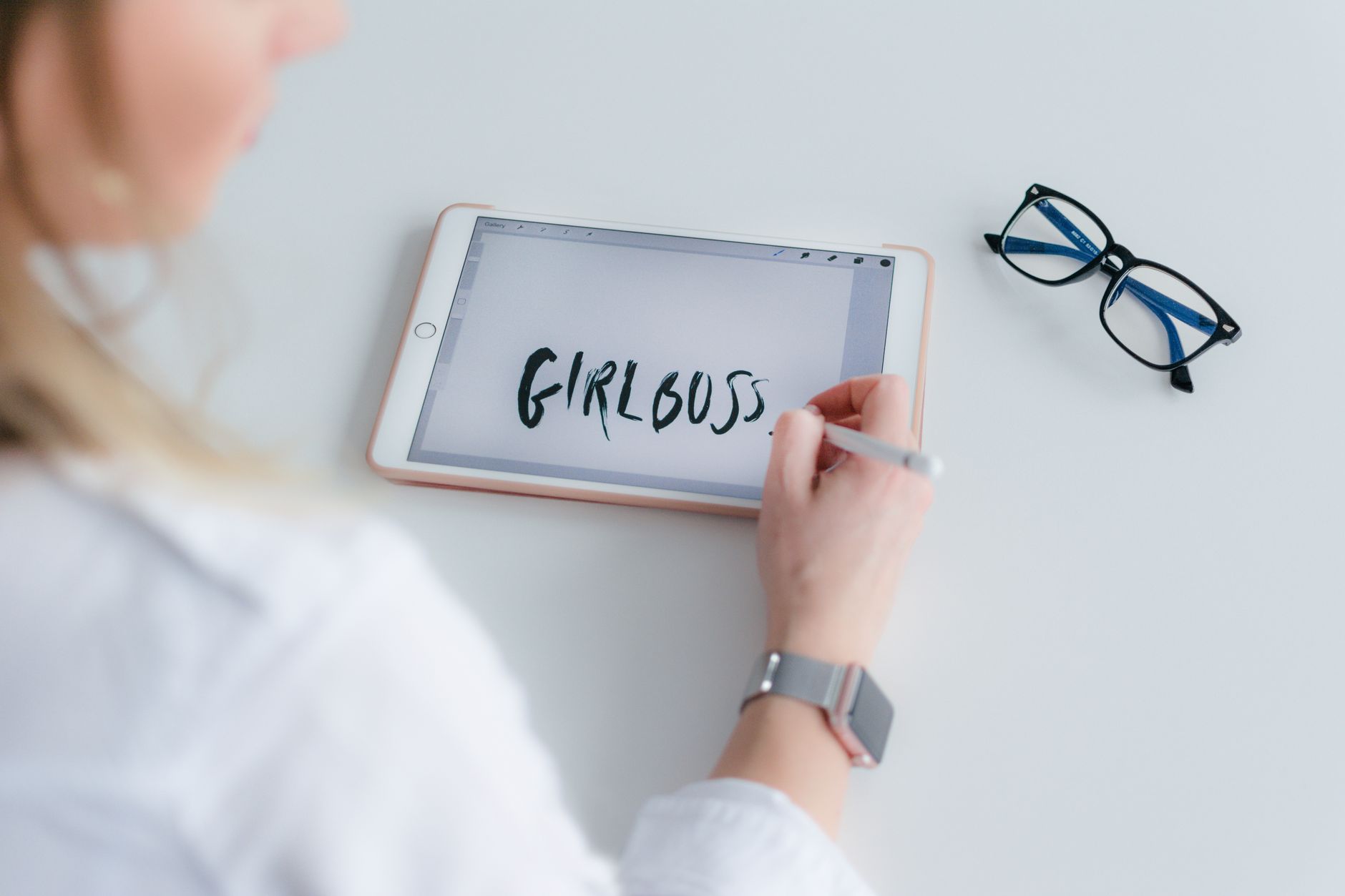
The Girlboss Aesthetic Is Now a Red Flag
The visual language of corporate feminism—the millennial pink, the hustle rhetoric, the aesthetic of ambition—has curdled into a warning sign. Women's professional networks that once promised community now feel like multi-level marketing schemes for career advice. The entire apparatus of branded empowerment has become synonymous with exploitation dressed in flattering lighting. When a company announces a new women's initiative with a slick video campaign, employees are learning to ask what they're trying to distract from rather than celebrate.

Gen Z Refuses the Entire Framework
Younger professionals watched millennial women perform corporate feminism and decided the entire premise was broken. They're not interested in being empowered by institutions they don't trust. Gen Z women are more likely to discuss salary transparency, union organizing, and class solidarity than climbing ladders in companies that treat feminism as a marketing vertical. They're rejecting the idea that their gender requires special programming, asking instead why systems aren't equitable by default. The demand isn't for empowerment—it's for power, actual redistribution of it.

Authenticity Isn't a Workshop You Can Attend
The final collapse comes from recognition that empowerment rhetoric asks women to change themselves rather than demanding institutions change their structures. No amount of executive coaching fixes discriminatory promotion practices. No mentorship circle addresses the reality that mothers are penalized while fathers are rewarded for the same parental status. Women are tired of being told they need more skills, more confidence, more strategic thinking when the actual issue is bias, inequity, and a system that benefits from their undervaluation. The conversation is shifting from how women can succeed within broken systems to why those systems remain broken.