Somewhere between adrenal fatigue and leaky gut, the wellness-industrial complex identified its next mark: your face. 'Cortisol face'—a term suggesting chronic stress manifests as facial puffiness—has colonized social media with the speed of a supplement launch. What began as a legitimate endocrinological concern has morphed into mass self-diagnosis, complete with affiliate links.
The mechanism is predictable. Take a medical condition, strip it of nuance, add before-and-after photos, package it with solutions you can purchase. Within weeks, millions of people are scrutinizing their reflections for evidence of internal dysfunction, convinced their cheekbones hold secrets their bloodwork doesn't. It's phrenology for the ashwagandha generation.

Medical terminology gets the social media treatment
Cushing's syndrome—a rare endocrine disorder causing facial swelling—has been rebranded as 'cortisol face' for mass consumption. Actual medical professionals use cortisol tests and clinical assessment; TikTok uses your camera roll from 2019. The distance between a legitimate health concern and viral self-diagnosis theater has never been thinner, and the algorithm rewards panic over precision.
Everyone suddenly has it (they don't)
The diagnostic criteria appears to be 'looked at face, noticed face, felt bad.' What was previously called bloating, weight fluctuation, or simply having a human face is now evidence of hormonal catastrophe. The comments sections read like collective hysteria—thousands of people convinced that normal variations in facial appearance indicate internal collapse. It's remarkable how quickly we've pathologized being visible.
The supplement complex mobilizes instantly
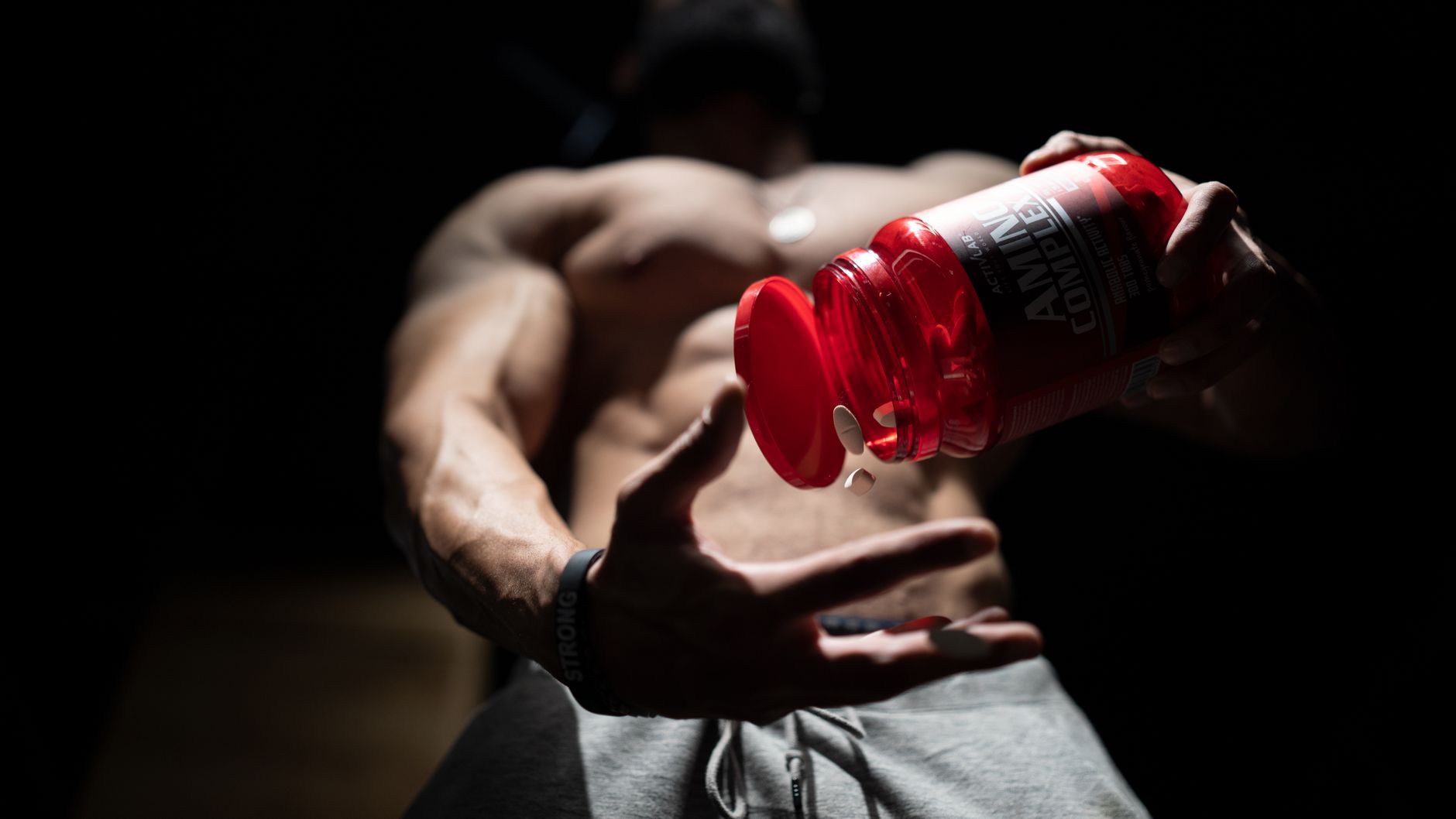
Within days of the trend's ascent, ashwagandha and rhodiola sales predictably spiked. Adaptogen brands didn't create this panic, but they're certainly not correcting it. The wellness economy operates on manufactured urgency—identify a fear, provide a remedy, repeat. That the remedy rarely addresses the invented problem is irrelevant when the business model depends on perpetual inadequacy.
Stress about stress creates recursive anxiety
The truly perverse element: worrying about cortisol face presumably raises cortisol levels. We've created an ouroboros of wellness anxiety where the awareness campaign becomes the stressor. Every mirror check, every comparative scroll, every mental inventory of your stress levels—it's cortisol all the way down. The call is coming from inside the self-optimization house.

Appearance-based health metrics proliferate
This follows an established pattern: turning invisible internal states into visible external failures. Tongue diagnosis, iris analysis, facial mapping—ancient practices repackaged or modern inventions dressed in pseudoscientific authority. We're increasingly encouraged to read our bodies like tarot cards, finding ominous meaning in every physical variation. It transforms basic embodiment into constant surveillance.

Medical gaslighting gets a new dimension
There's legitimate frustration beneath this trend—people do experience unexplained symptoms, dismissive healthcare, and diagnostic odysseys. But replacing inadequate medical care with algorithmic self-diagnosis isn't liberation. It's lateral movement from one inadequate system to another, except this one comes with a shopping cart. The problem isn't that people want answers; it's that wellness influencers aren't qualified to provide them.

The new face of control
When you can't control your workload, your healthcare costs, or your economic precarity, you can control your supplement stack. That's the real appeal of these trends—they offer agency in a limited sphere. It's easier to blame cortisol than capitalism, simpler to buy adaptogens than demand systemic change. Wellness culture understands this perfectly and profits accordingly.

What actually reduces cortisol (inconveniently)
Sleep, financial security, community support, reduced work hours, therapy, occasionally medication—these actually address chronic stress. None are available via affiliate link. The solutions to our collective cortisol problem are structural, not supplemental, which makes them incompatible with the wellness business model. So we get ashwagandha instead of labor rights, and face yoga instead of affordable healthcare. The market has spoken.
- Medical terminology gets the social media treatment
- Everyone suddenly has it (they don't)
- The supplement complex mobilizes instantly
- Stress about stress creates recursive anxiety
- Appearance-based health metrics proliferate
- Medical gaslighting gets a new dimension
- The new face of control
- What actually reduces cortisol (inconveniently)