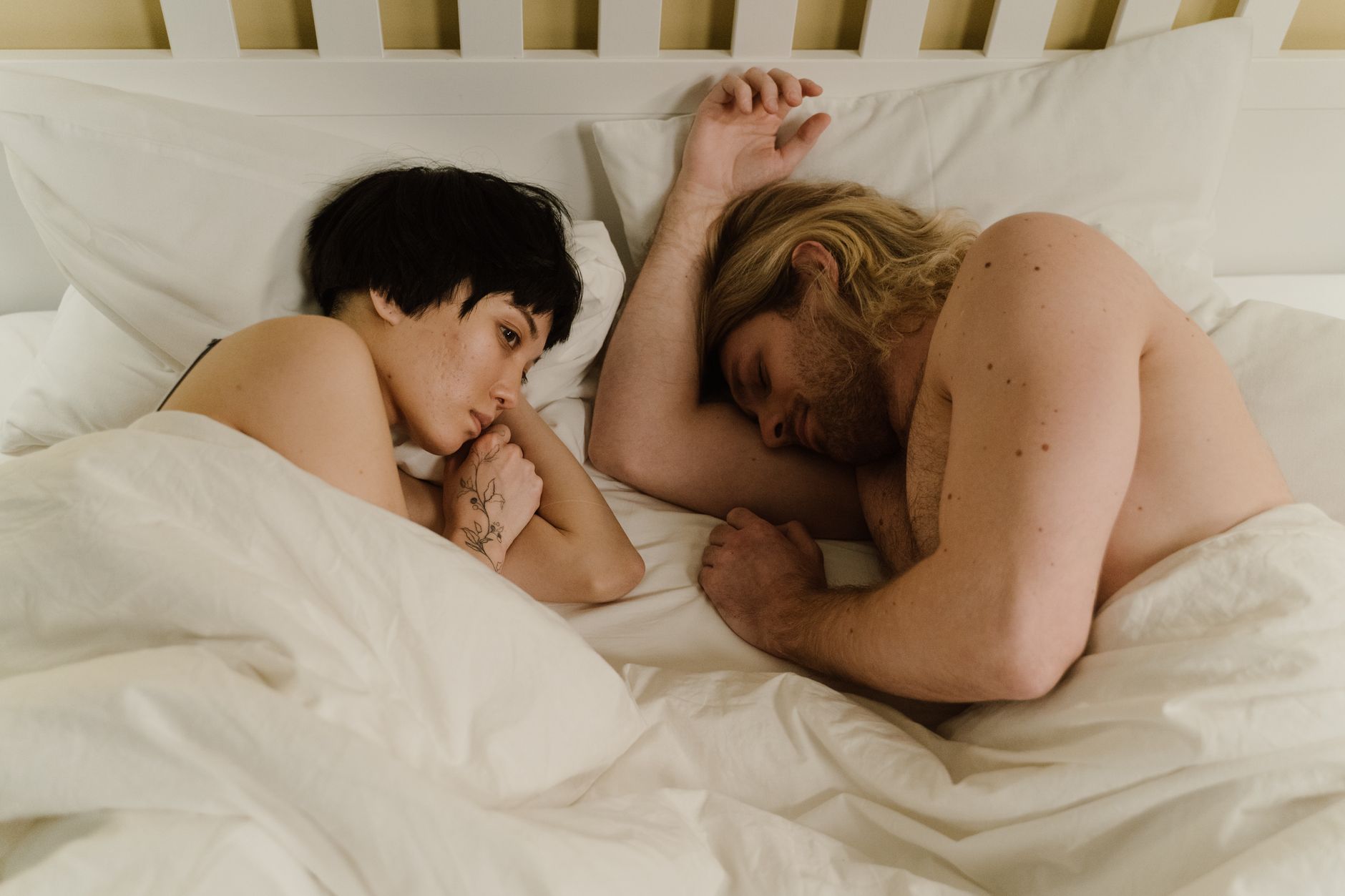
Dating apps have spent a decade optimizing for Friday night chemistry—the dress, the cocktail bar, the witty banter. Now they're pivoting to something decidedly less glamorous: Sunday mornings in sweatpants. It's called 'Sunday Theory,' and it's reshaping how platforms measure compatibility.
The logic is simple but radical. Anyone can maintain intrigue over aperitivos. The real test? Whether you can tolerate someone during the dead hours between brunch and dinner, when there's nothing to do and nowhere to hide. Apps are adjusting accordingly.

Hinge added 'Sunday energy' as a matching signal
Hinge quietly updated its algorithm to prioritize what it calls 'low-stimulus compatibility.' The app now factors in answers to prompts about lazy Sundays, takeout preferences, and silence tolerance—data points that previously ranked below travel photos and restaurant taste. The shift reflects internal research showing that couples who align on downtime habits outlast those who just align on nightlife. Sunday energy, it turns out, is a better predictor than Saturday charisma.

Bumble launched Sunday-specific prompt filters
Bumble's latest feature lets users filter matches by their Sunday routine descriptions—think 'farmers market then couch,' 'meal prep and laundry,' or 'absolutely nothing.' It's a direct response to user feedback requesting less focus on adventure compatibility and more on maintenance-mode compatibility. The feature went live in March, and profiles with filled-in Sunday prompts are seeing 34% higher match rates. Turns out people want to know if you're a productive Sunday person or a rotting-in-bed Sunday person before they waste a Tuesday evening.

The backlash is already forming
Critics argue Sunday Theory is just another way to pathologize dating, turning the search for connection into an optimization problem no one asked for. Relationship therapists point out that compatibility isn't static—someone's Sunday energy shifts with depression, work stress, and life phases. Plus, there's something grim about filtering humans by their rest-day tolerance levels. The whole thing feels like LinkedIn's 'culture fit' rhetoric repackaged for romance, and not everyone's convinced that's progress.

It's creating a new performance pressure
Just as Instagram turned vacations into content opportunities, Sunday Theory is turning downtime into another thing to curate. People are already posting their 'Sunday dumps'—carefully casual photo sets of rumpled sheets, half-read books, and artfully messy kitchens—to signal they're low-key but not lazy, chill but not depressive. It's exhausting. The apps wanted authenticity but created a new aesthetic to fake instead. Now you don't just need good date energy, you need good decompress energy too.

It might actually be onto something real
For all the critiques, there's truth underneath the trend. Long-term relationships do hinge on mundane compatibility—how you handle boredom, whether you need constant stimulation, if you can coexist without performing. Sunday Theory names something people have always intuited: that the hardest part of love isn't the spark, it's the sustain. Whether apps can meaningfully measure that remains doubtful, but at least they're asking better questions than 'what's your favorite travel destination.' The bar was low.