The dinner party invitations have dried up. Group chats go silent for weeks. Your closest friends live in different time zones—or just different states of exhaustion. Welcome to the friendship recession, where social portfolios are shrinking faster than anyone wants to admit.
What's interesting isn't just the loneliness epidemic everyone keeps diagnosing. It's how the scarcity of meaningful connection is quietly recalibrating our entire value system. Success used to look like career milestones and real estate. Now? It looks like having four people you can call on a Tuesday.

The dinner party is the new corner office
Hosting has become the ultimate flex. Not the Instagram-ready tablescape kind—the actual feat of coordinating calendars, getting people to show up, and sustaining conversation beyond small talk. In an era when most socializing happens via screen or scheduled weeks in advance, the ability to spontaneously gather humans in your home signals a level of social infrastructure that wealth can't buy. It's the clearest proof you've built something that matters.

We're measuring net worth in proximity
The calculus of where to live has flipped. Remote work promised geographic freedom, but the friendship recession revealed its cost: displacement from your social ecosystem. Now people are turning down higher salaries and bigger apartments to stay within a fifteen-minute radius of their core group. Proximity isn't convenience anymore—it's the single greatest predictor of whether friendships survive. Living near the people you love has become the luxury good no one talks about.
Platonic partnerships are replacing plus-ones
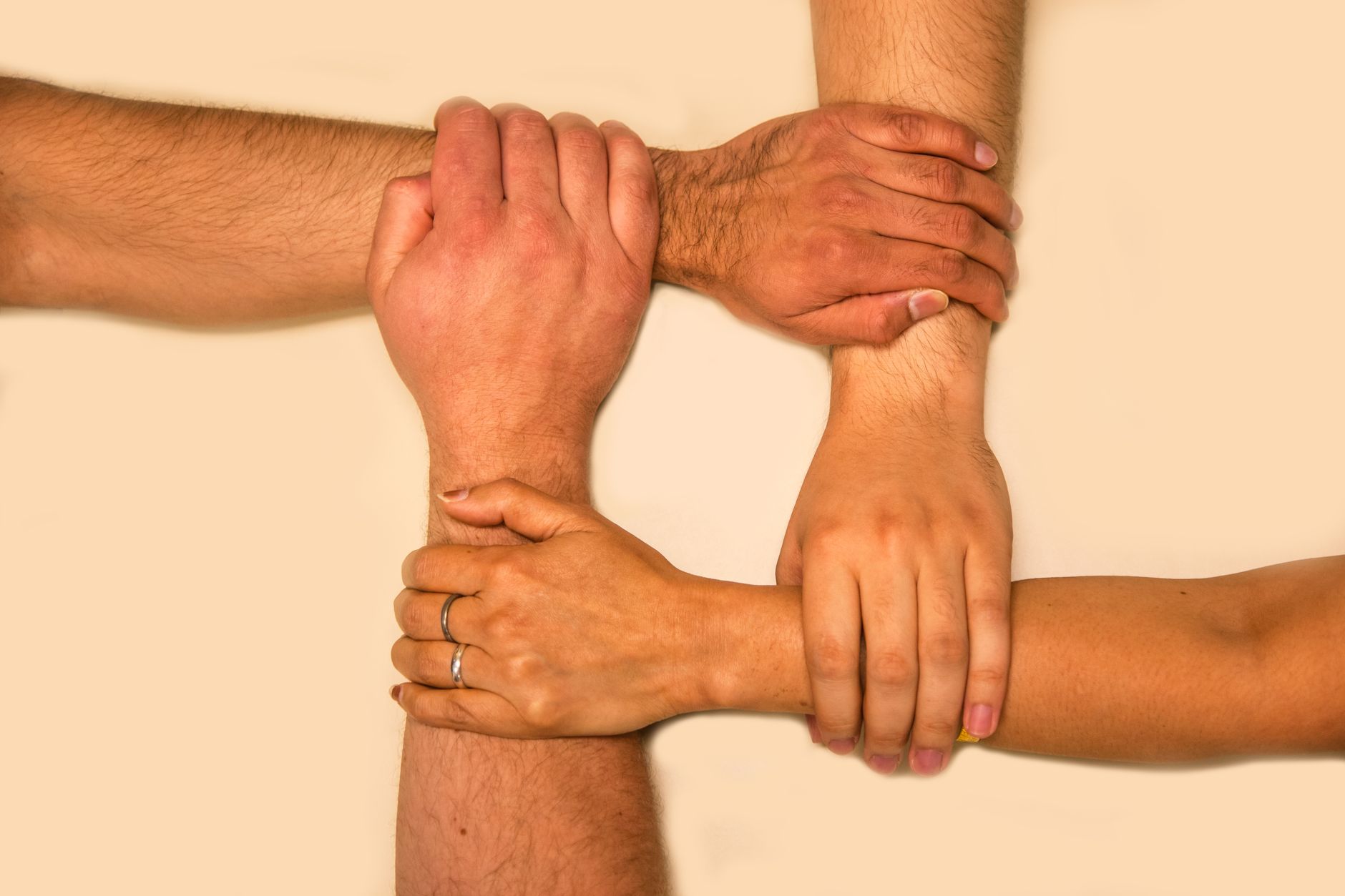
The new power couple isn't romantic. It's best friends buying property together, co-parenting each other's ambitions, building financial safety nets as a unit. When traditional relationship timelines feel increasingly optional or inaccessible, platonic bonds are absorbing that commitment energy. These aren't backup plans or consolation prizes—they're intentional chosen family structures that offer stability without the pressure of romance. The question isn't whether this counts as partnership. It's why we ever thought it shouldn't.

Social stamina is the new status symbol
Everyone's operating at capacity, which makes the person who still creates space for connection impossibly magnetic. Showing up consistently, remembering details, initiating plans—these aren't baseline friendship behaviors anymore. They're actively rare, which means people who still possess social stamina wield disproportionate influence. The exhaustion economy has created a tier system where energy for others becomes its own form of capital. Burnout culture didn't kill ambition; it just redirected it toward maintaining relationships instead of climbing ladders.

Loneliness is finally losing its stigma tax
Admitting you're lonely used to sound like failure—proof you weren't likable or interesting enough. That shame kept the problem invisible and unsolvable. But when isolation became a mass experience rather than individual pathology, the conversation shifted. Now loneliness gets discussed like burnout or anxiety: a structural condition, not a character flaw. The shift matters because it's changing how people respond—not with self-blame, but with strategy. Treating friendship like something that requires active investment rather than passive accumulation is the first step toward actually solving the problem.