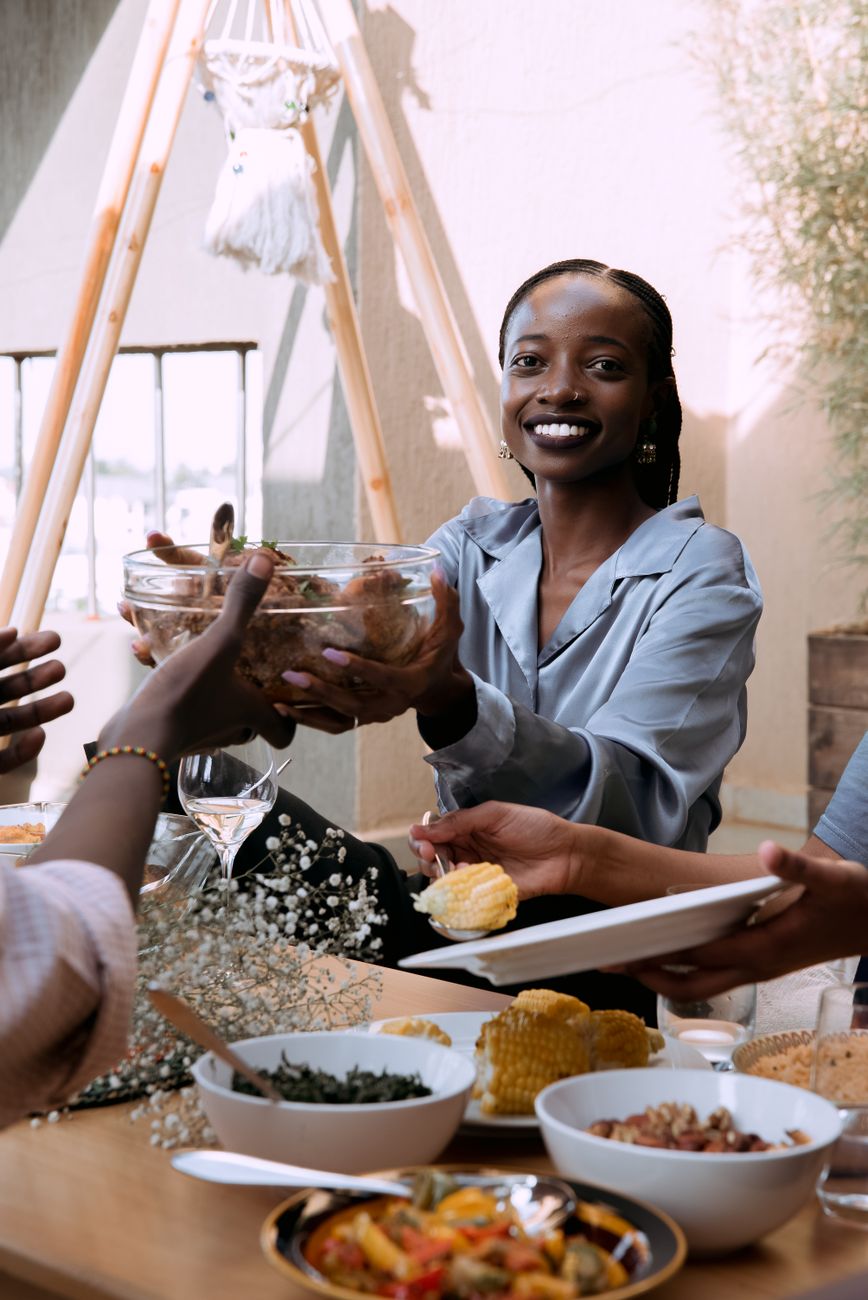
There's a particular table at a particular wine bar where a particular group meets every Thursday. Same seats. Same bottle. Same conversation rhythm that picks up exactly where it left off. To the novelty-obsessed, this sounds like social death. To the genuinely confident, it's the entire point.
Welcome to friendship reruns—the quiet rebellion against the tyranny of new experiences. While culture screams about FOMO and bucket lists, a more discerning cohort has discovered that depth beats breadth. That ritual creates intimacy. That the best relationships aren't built on where you go, but on the grooves you wear into the same places together. Five signals that repetition has become the new social sophistication.

The standing reservation as status symbol
Having "your table" at a neighborhood spot now carries more weight than getting into the impossible reservation. It signals roots, loyalty, the kind of social capital that can't be purchased with a credit card hold. The staff knows your name. The menu is navigated by memory. You're not consuming the space—you belong to it.
Decision fatigue is the real social killer
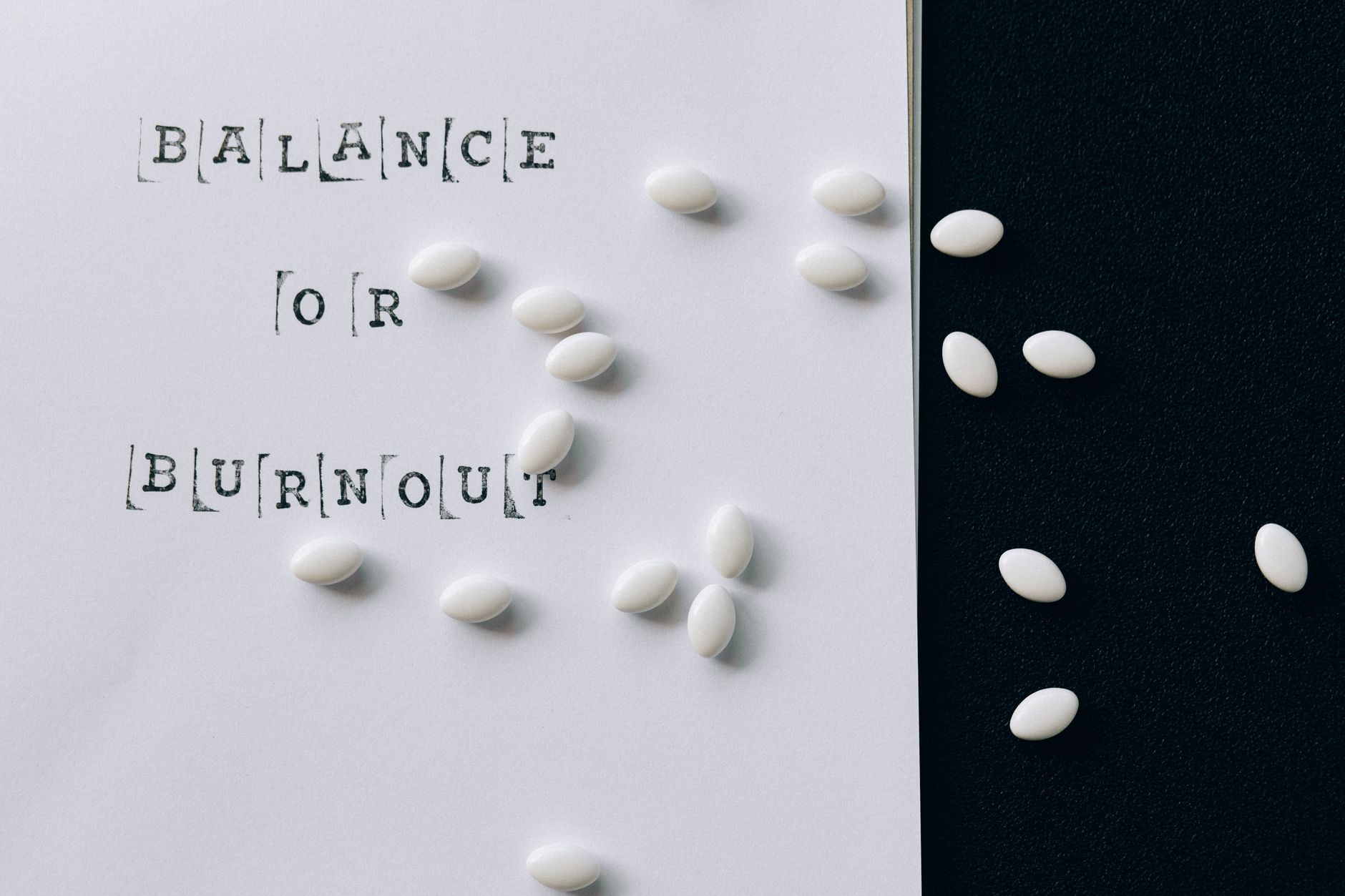
Every "what should we do?" text thread is a small death. The group that defaults to Tuesday trivia at the pub isn't boring—they're efficient. They've eliminated the friction that kills most hangouts before they happen. When the plan is automatic, the showing up becomes effortless. Energy previously spent coordinating goes to actual connection instead.

Ritual builds intimacy novelty can't touch
There's a reason religious practices and family traditions center on repetition. The eighth time you split the same appetizer, you're not just eating—you're participating in something bigger. Inside jokes accumulate. Callbacks deepen. The friendship develops its own language, illegible to outsiders. Novelty creates memories; repetition creates mythology.

The permission to be boring is luxury
Performing for Instagram requires energy most people no longer have. The friendships that survive late capitalism are the ones where you can show up in the same sweater, order the same thing, talk about nothing particularly profound, and leave feeling filled up. Being boring together is intimacy. Being boring alone is loneliness. Know the difference.
Younger cohorts are rediscovering what their grandparents knew
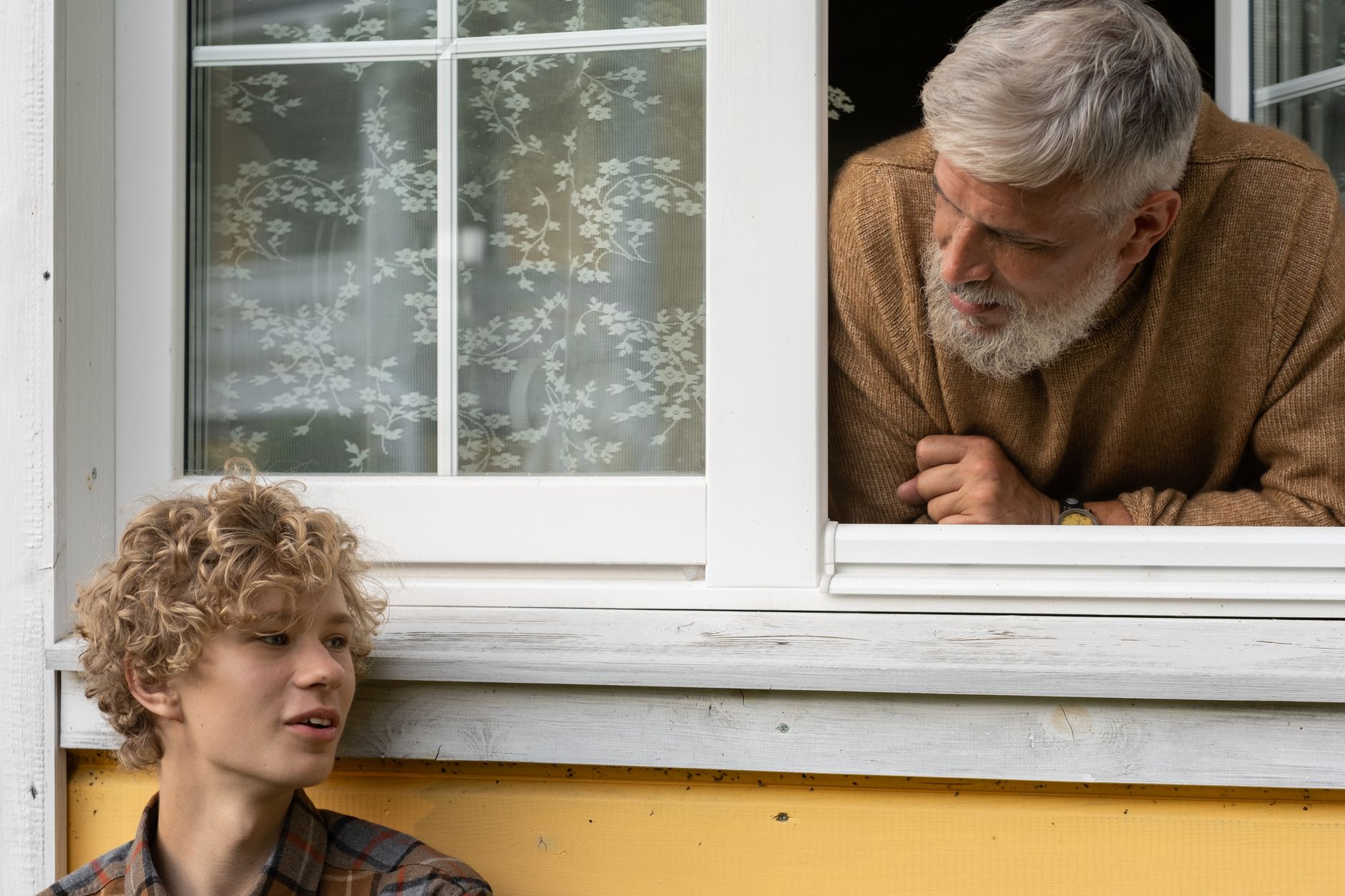
Twenty-somethings raised on optimized experiences are quietly adopting the social patterns of previous generations—weekly dinners, standing poker nights, the same Sunday breakfast spot. Not because they lack imagination, but because they're exhausted from having too much of it. Repetition isn't regression. It's the correction course after a decade of relentless curation.