Somewhere between the MeToo reckoning and TikTok's endless discourse on boundaries, a quiet shift happened: asking before you touch someone stopped being awkward and started being baseline. Gen Z didn't invent consent, but they're the first generation to treat it as non-negotiable infrastructure rather than progressive theory.
What looked like overcorrection to older generations is simply clarity to younger ones. The handshake that waits for reciprocation, the verbal check-in before a hug, the explicit "can I kiss you?" that used to kill the mood but now preserves it—these aren't buzzkills. They're the new floor, not the ceiling. And the ripple effects are rewriting everything from dating scripts to workplace culture.

The "Can I Hug You?" Checkpoint
The pandemic gave everyone permission to reset physical greeting protocols, but Gen Z kept the pause button pressed. Where millennials might still default to the ambiguous lean-in, younger people are verbalizing the ask. It's not performative—it's practical. The two-second question preempts the two-week rumination about whether you made someone uncomfortable, and that math just makes sense to a generation fluent in emotional labor calculations.

Choreographed Intimacy, Planned Spontaneity
The "can I kiss you?" moment has been mocked as passion-killing since forever, but Gen Z disagrees with the premise. Explicit consent isn't a mood killer when mutual enthusiasm is the entire point. They're not interested in the fiction that real desire is wordless and inevitable. The new script acknowledges that hot doesn't mean silent, and that checking in is itself a form of attention that many find more compelling than assumed access.
Professional Touch Is Nearly Extinct
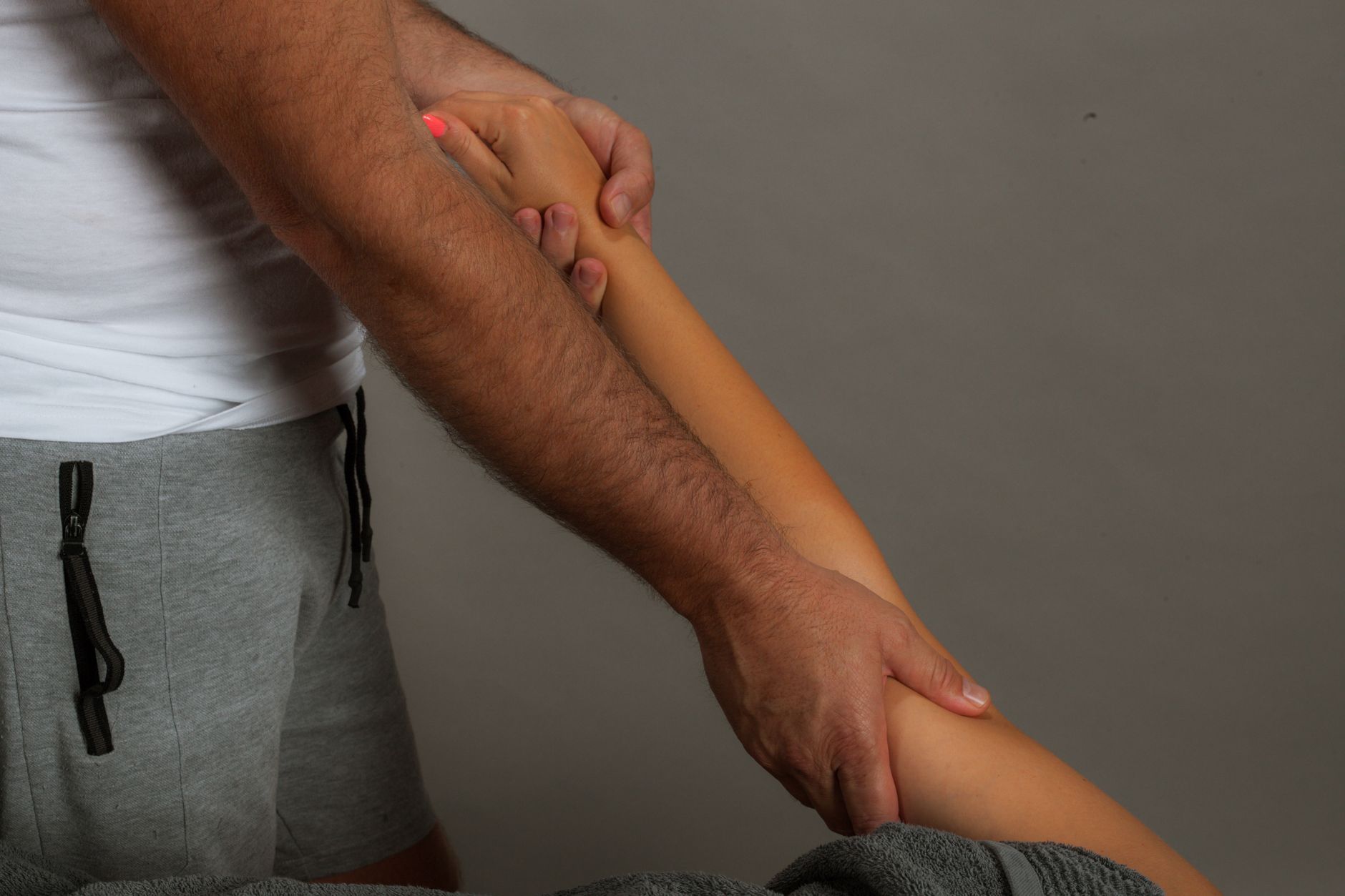
In workplaces, the casual shoulder pat and the congratulatory side-hug are going the way of the three-martini lunch. Gen Z employees are establishing new norms where physical contact defaults to zero unless explicitly invited. It's not about being fragile—it's about recognizing that what felt collegial to one generation felt invasive to another, and choosing the interpretation that centers the person being touched rather than the one doing the touching.

The Friendship Physical Audit
Even established friendships aren't exempt. Gen Z is bringing the "what are we?" conversation energy to platonic touch, openly discussing comfort levels with hugs, casual touch while talking, or physical affection as love language. What looks like overthinking to outsiders is actually relationship maintenance—the kind that prevents small discomforts from calcifying into resentment. It's emotional due diligence, and it's becoming standard practice.

Body Autonomy as Social Credential
Respecting physical boundaries has become a visible marker of social competence, the way being "good with kids" or "politically informed" might signal character. People notice who asks and who assumes. It's entered the dating green-flag/red-flag taxonomy. The shift isn't about fear or litigation—it's about a generation that grew up with more language for autonomy than any before it, and they're using that language to build different defaults. The awkwardness isn't a bug. It's the point.