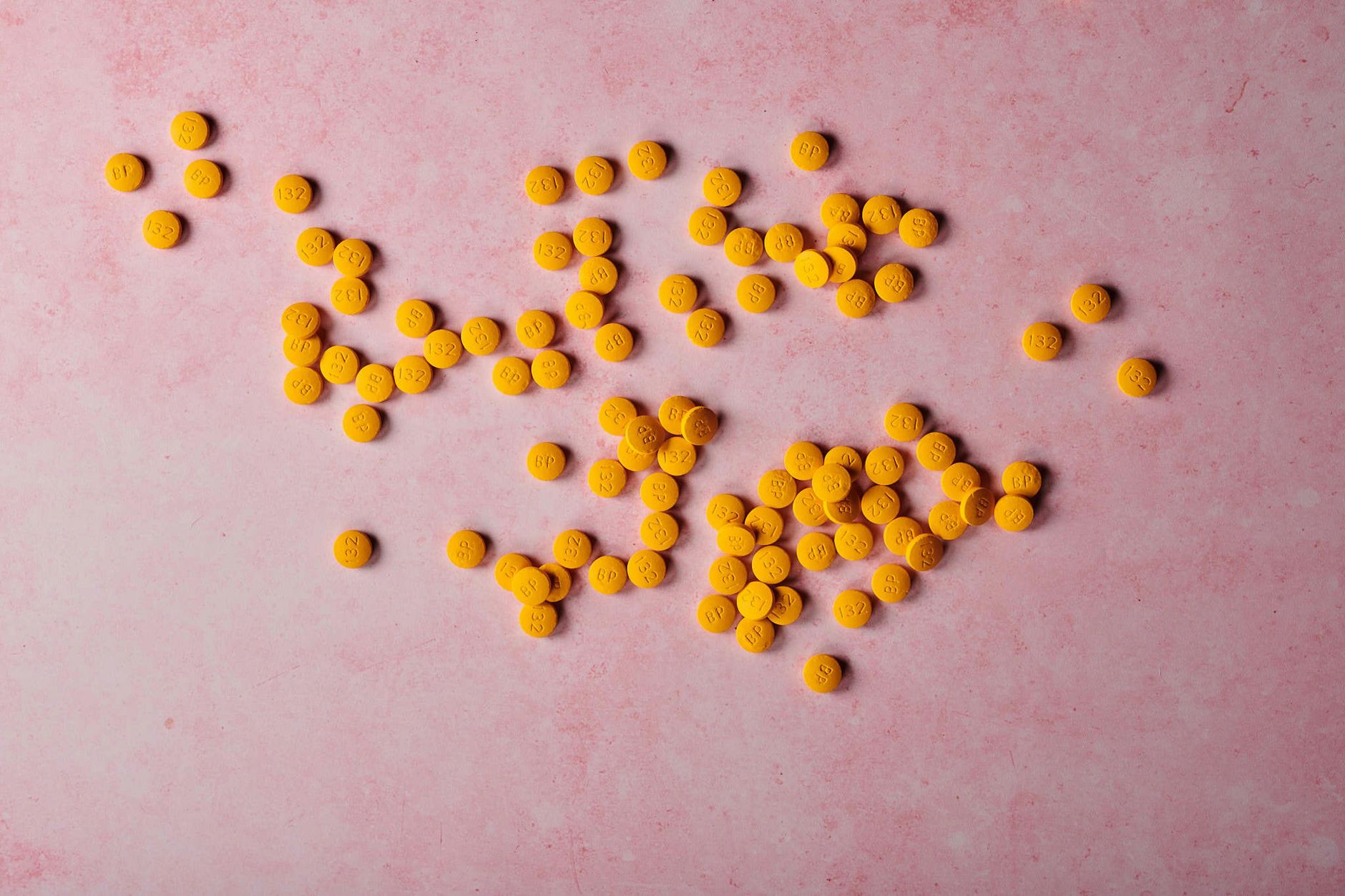
Forget blood panels. The latest status symbol in wellness circles is a test that costs $500 and requires mailing a chunk of your hair to a lab. Hair tissue mineral analysis—HTMA for the initiated—promises to reveal hidden mineral deficiencies causing everything from hormonal chaos to mysterious fatigue. On Instagram, thousands of women share their "mineral protocol" spreadsheets with the fervor of astrological charts.
It's biohacking meets alternative medicine, wrapped in the aesthetic of a very expensive science project. Whether it's legitimate health intervention or the wellness industry's most elaborate placebo remains a question most devotees aren't asking.

The post-pandemic nutrient panic
Women emerged from isolation convinced something fundamental was broken inside their bodies—and blood work kept coming back "normal." HTMA offered an alternative narrative: maybe conventional medicine was looking in the wrong place. The appeal isn't just the test itself but the promise that vague suffering has a quantifiable, fixable cause. When your doctor says you're fine but you feel wrecked, a colored graph showing copper toxicity feels like vindication.

Influencer practitioners built the market
A small network of nutritionists and health coaches turned HTMA into content gold, translating complex mineral ratios into digestible Instagram carousels. These practitioners position themselves between conventional medicine (too dismissive) and pure wellness woo (too unscientific), occupying a sweet spot for educated women who distrust both. Their business model is elegant: the test is the lead magnet, but the real revenue is the months-long protocol of supplements and follow-up consultations that follow.
The aesthetics of optimization
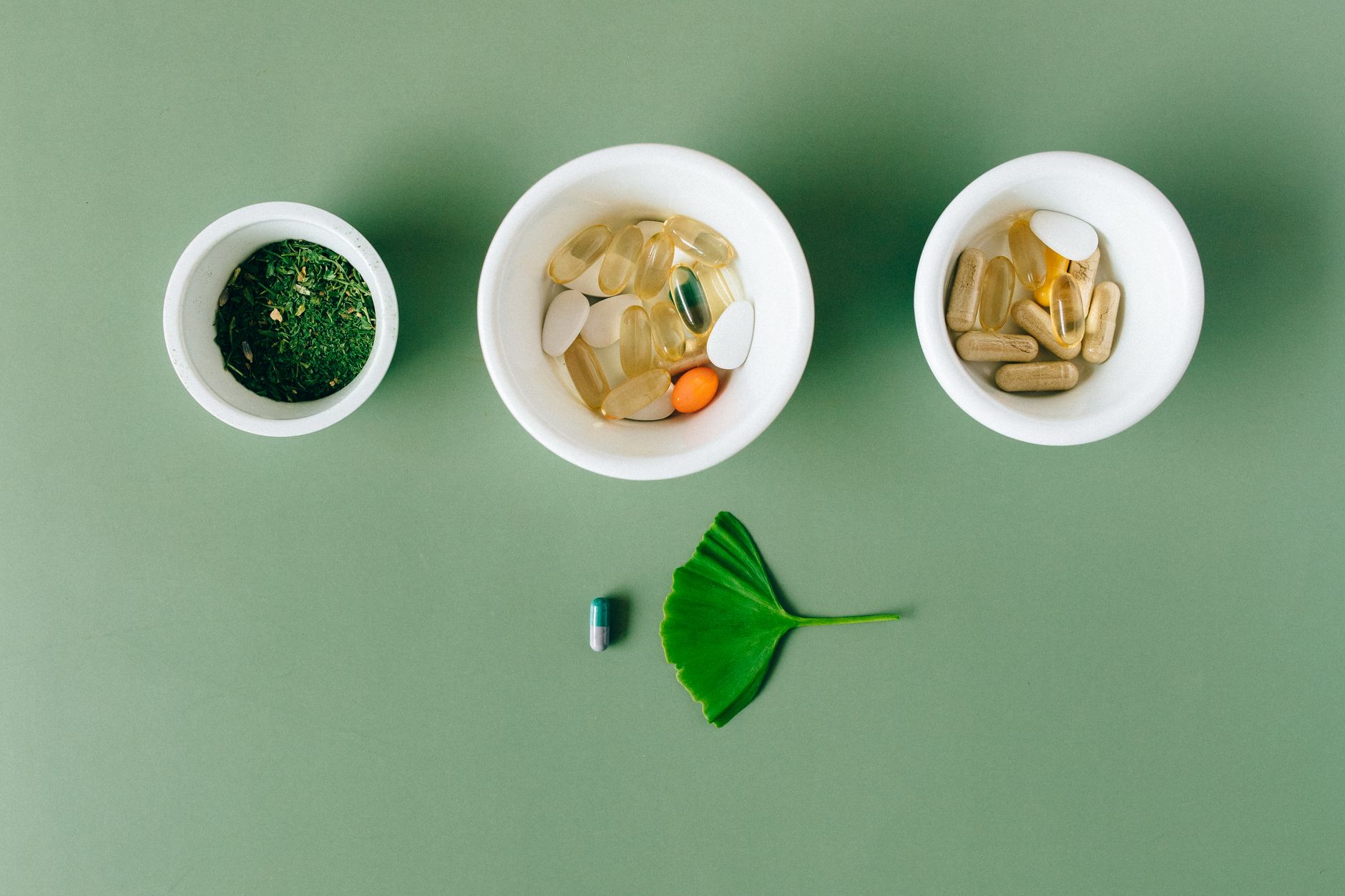
HTMA has impeccable visual branding. The test results arrive as sleek PDFs with graphs and percentiles—data you can screenshot and share. Supplement protocols get organized in minimal kitchen shelves and filmed for TikTok. It's wellness as spreadsheet, health as optimization problem, your body as a system requiring calibration. For a generation raised on tracking apps and quantified self-movement, this analytical approach to healing feels native. Whether it works matters less than whether it feels like you're doing something.
Copper toxicity becomes the new diagnosis
In HTMA discourse, copper toxicity has become the explanation for everything: anxiety, hormone imbalance, rage, fatigue, even relationship problems. The theory—that excess copper and depleted zinc create havoc—offers a tidy biochemical story for the messy reality of being a woman in 2025. Birth control pills, IUDs, stress, and tap water all supposedly contribute to the problem. It's unfalsifiable and all-encompassing, which is precisely the point. A diagnosis that explains everything explains nothing, but it sells supplements.

Mainstream medicine remains skeptical
The scientific establishment's position on HTMA is polite dismissal. Hair can be contaminated by external minerals, testing methods lack standardization, and the reference ranges used by practitioners aren't based on robust clinical research. But this skepticism only strengthens true believers' conviction that they've discovered something conventional medicine refuses to acknowledge. The gap between lived experience and medical validation creates the perfect conditions for alternative testing to thrive—and for women to keep spending.