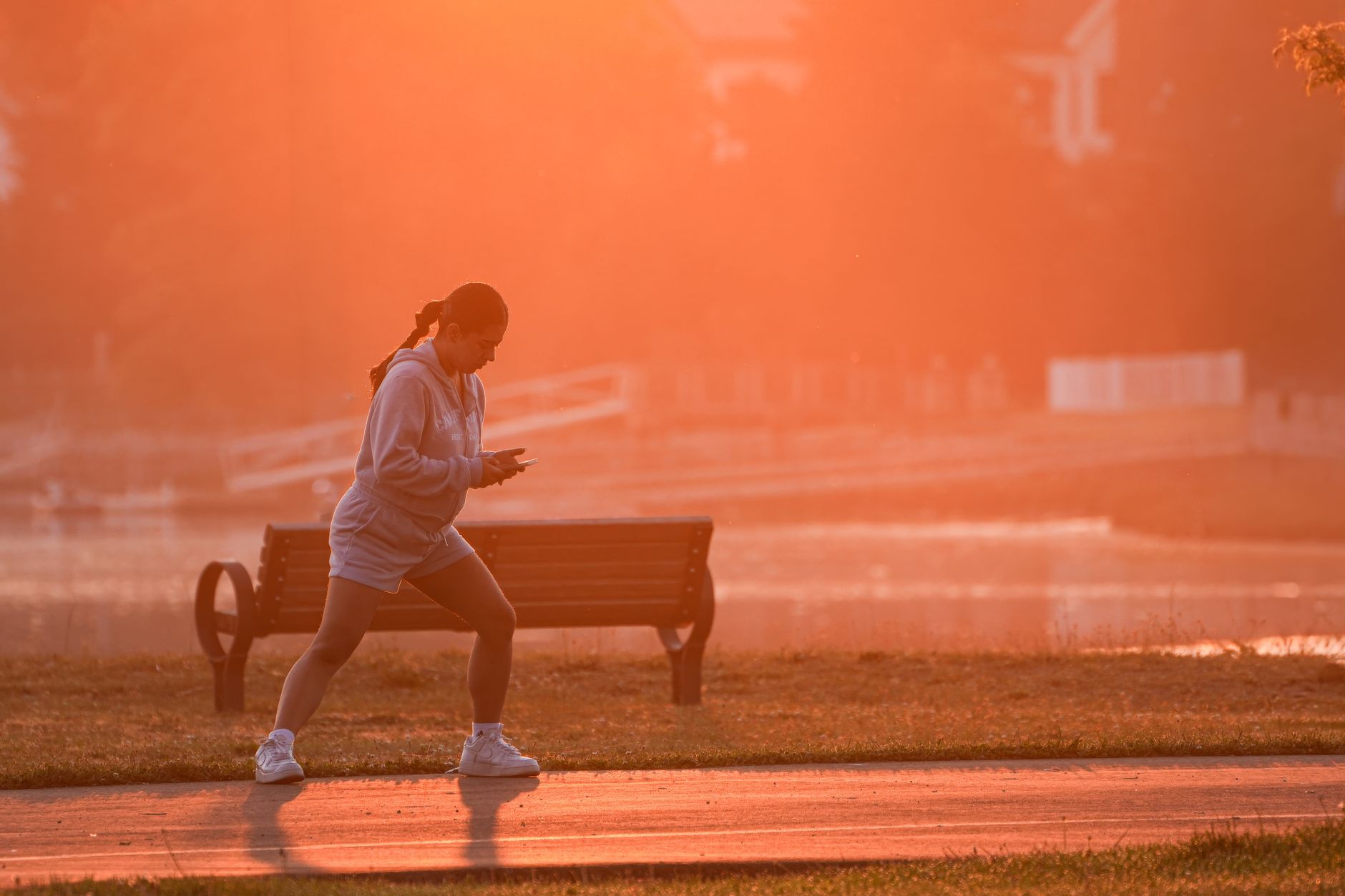
Somewhere between green juice and gratitude journaling, a new morning ritual has emerged: the 6am light walk. Not for pleasure, not for fitness, but for circadian rhythm optimization. Women who once rose with matcha now rise with purpose—specifically, to catch photons within the first hour of waking.
What began as Stanford neuroscientist Andrew Huberman's evidence-based protocol has evolved into something stranger: a predominantly female wellness practice wrapped in the language of dopamine regulation and cortisol curves. His podcast listeners were always diverse, but the people actually doing the work? Women who've decided that metabolic health is the new self-care, and that 'Huberman-ing' is a verb.
The Sunrise Surveillance Economy
Instagram Stories between 6-7am have become proof-of-concept for circadian optimization. Women post their shadow-length, their sunrise timestamp, their 'morning light logged' confirmations. It's not performative wellness—it's documentation. The aesthetic is deliberately unpolished: no makeup, messy hair, yesterday's clothes. The message is clear: this isn't about beauty, it's about biology. And that distinction matters to a generation exhausted by conventional wellness theater.
Menstrual Cycle Tracking Meets Neuroscience
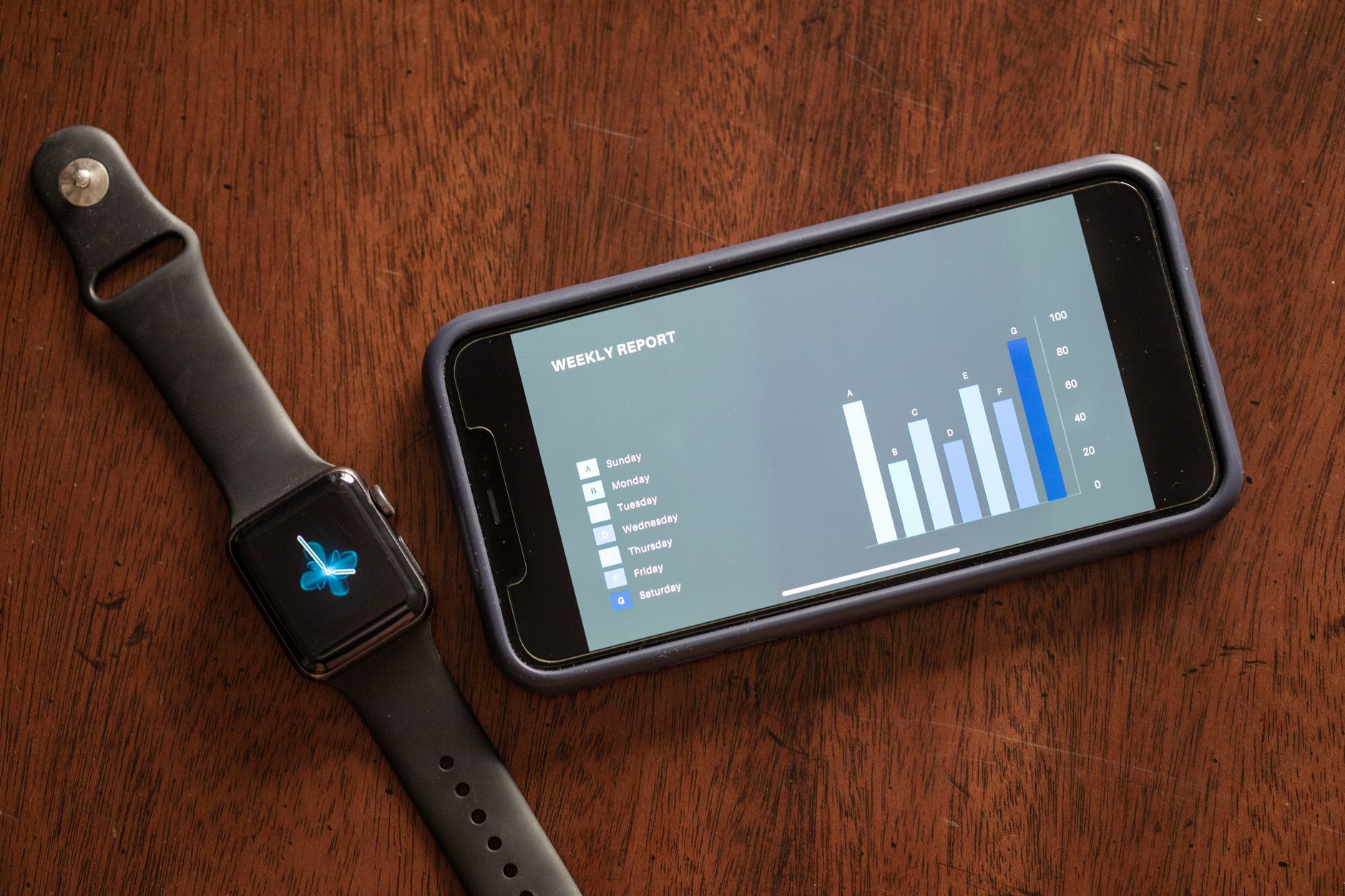
Female Huberman disciples have taken his protocols and cross-referenced them with their cycle-tracking apps, creating hybrid optimization systems he never suggested. They're logging light exposure against luteal phase fatigue, adjusting walk times for ovulation-related cortisol spikes. This isn't fringe—it's hundreds of thousands of women in Reddit threads and Substack comments comparing notes. They've taken a gender-neutral protocol and made it explicitly female, filling a gap Huberman himself never addressed.

The Anti-Influencer Wellness Authority
Huberman's appeal to women isn't despite his academic tone—it's because of it. No mood boards, no affiliate links, no 'goddess energy.' Just neural mechanisms and peer-reviewed studies delivered in two-hour episodes. For women drowning in wellness content designed to sell them things, his indifference to aesthetics reads as credibility. He's not selling a lifestyle; he's explaining how bodies work. That this resonates so strongly with female audiences says more about the wellness industry's credibility crisis than about neuroscience.
Sleep Divorce and Solo Morning Architecture
The morning light walk has become justification for sleep separation and solo mornings. Women are negotiating bedroom arrangements around wake-time incompatibility—not because of snoring, but because their partner's 8am wake time disrupts their circadian protocol. This is wellness as boundary-setting, self-care as non-negotiable architecture. The language of neuroscience provides cover for what's actually happening: women claiming time alone, framing personal space as metabolic necessity.

Optimization Fatigue's Next Phase
The backlash is already forming. Women who've spent six months timing their light exposure are questioning whether they've simply traded one form of wellness anxiety for another. 'Did I get enough morning light?' is the new 'Did I drink enough water?' The irony: a protocol designed to regulate stress hormones has become its own source of cortisol. Some are abandoning the rigidity, keeping the walks but losing the timestamp anxiety. Others are doubling down. The split is predictable—every wellness trend eventually sorts its practitioners into zealots and defectors.