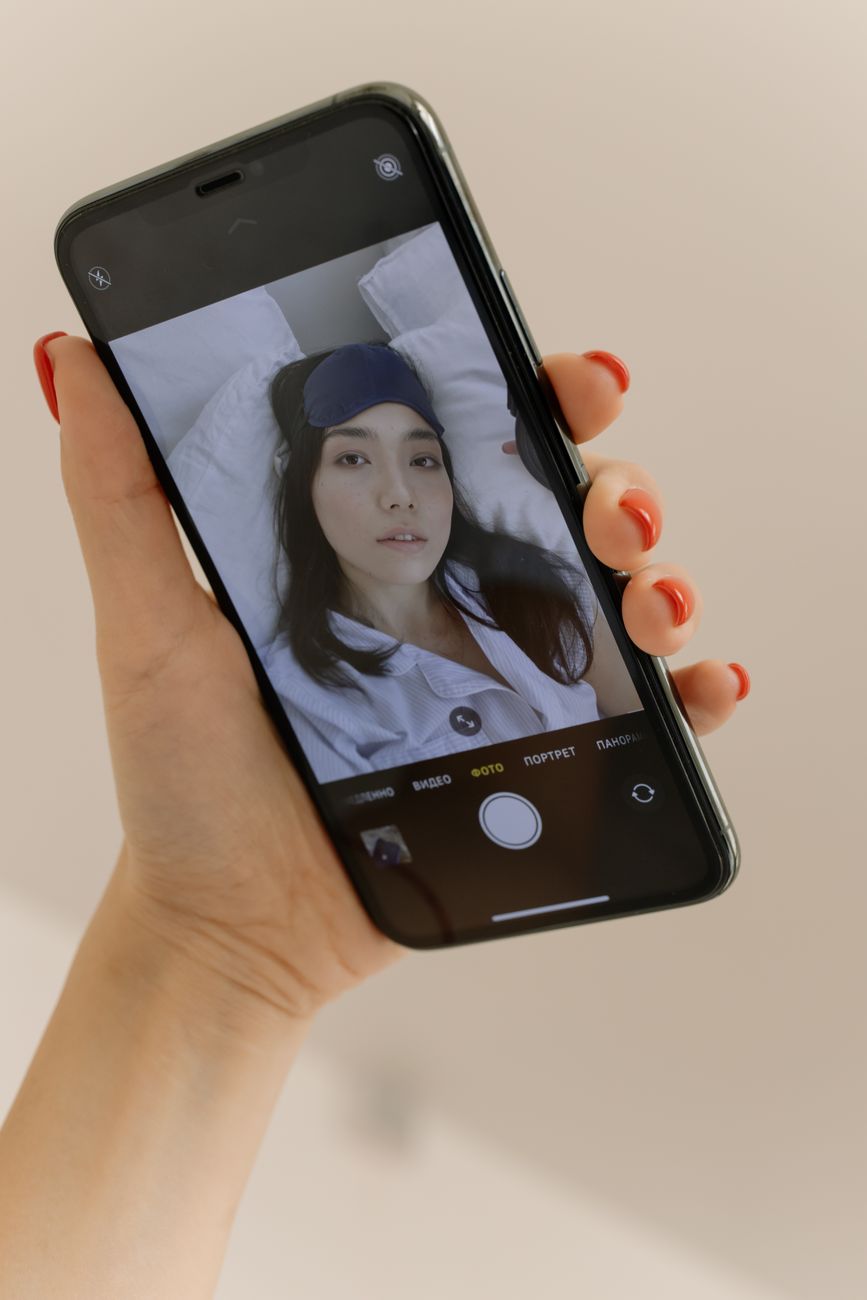
The most optimization-obsessed generation in history has found a new frontier: the seven hours they're barely getting. Mouth taping—literally sealing your lips with surgical tape before bed—has become the latest ritual in millennial sleep culture, promising better breathing, sharper jawlines, and the kind of restorative rest that scrolling until 2 a.m. simply won't allow.
What's remarkable isn't the tape itself. It's the psychology underneath: a generation so committed to self-improvement that they'll biohack their way through exhaustion rather than address why they're tired in the first place. Sleep has become another performance metric, another thing to perfect, another data point in the quantified self. The tape is just the most visible symptom of a much deeper problem.
The Optimization Paradox
Millennials are buying mouth tape, sleep trackers, blackout curtains, magnesium supplements, and weighted blankets while still staying up until midnight doom-scrolling. The cognitive dissonance is the point. Optimization offers the feeling of control without requiring actual behavioral change. It's easier to spend $18 on specialty sleep tape than to put your phone down, and the tape lets you believe you're doing something about a problem you're actively perpetuating.

Nasal Breathing as Status Symbol
Mouth taping entered the mainstream through the wellness industrial complex, where breathing—previously free and automatic—has been rebranded as a skill requiring optimization. The practice promises improved oxygen intake, reduced snoring, and better sleep quality, all backed by enough pseudoscience to sound legitimate on a podcast. For a generation that turned green juice into an identity marker, mastering the mechanics of respiration feels like the natural next step in performing wellness.
The Quantified Sleeper
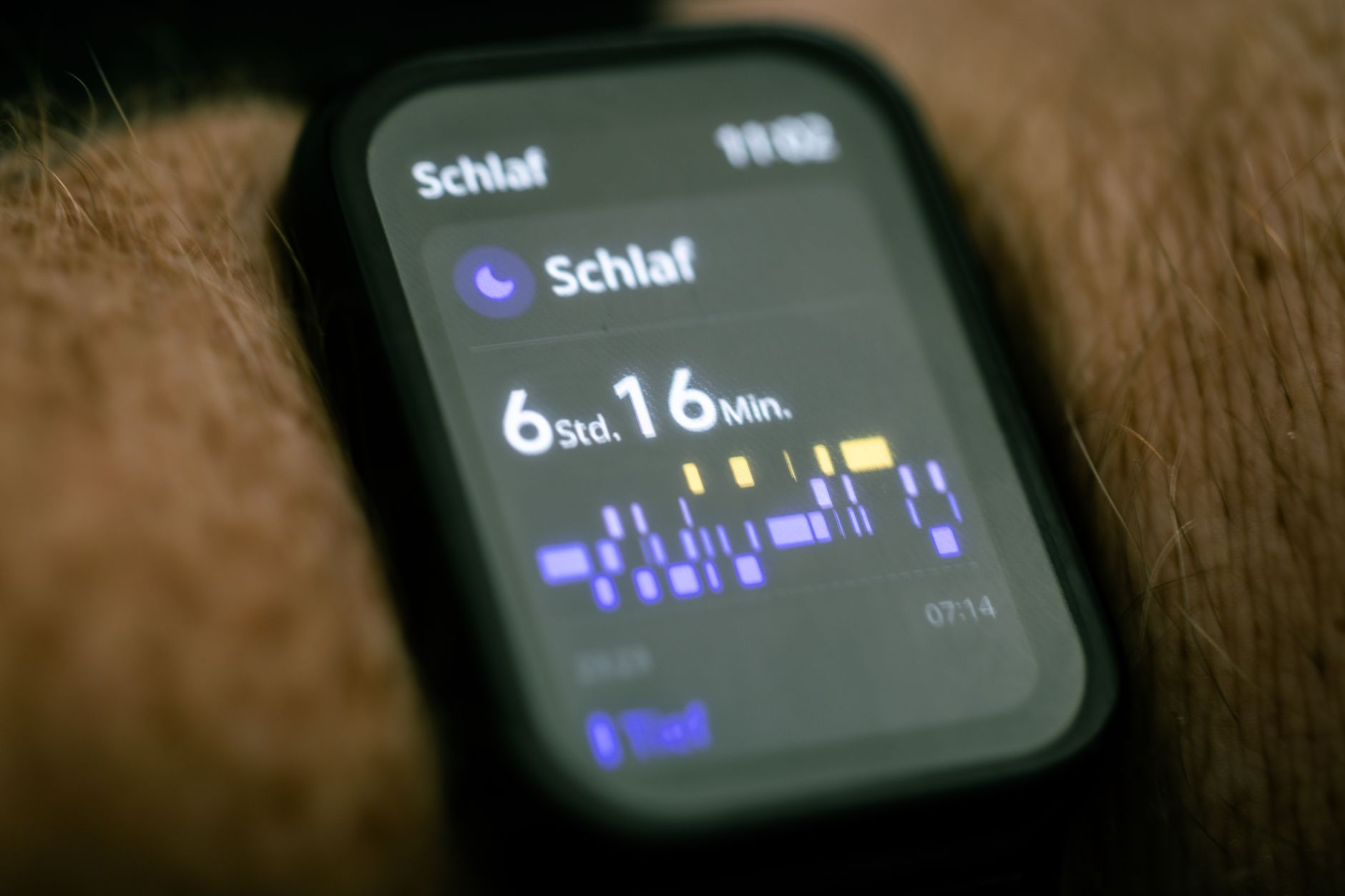
Sleep tracking has transformed rest into another competitive sport, complete with scores, graphs, and the nagging sense that you're failing at unconsciousness. Millennials wake up to check how they slept, turning what should be restorative into another source of anxiety. Mouth taping slots perfectly into this ecosystem: a visible intervention that generates data points and creates the illusion that sleep is something you can win at if you just try hard enough.
When Self-Care Becomes Self-Surveillance
The mouth taping phenomenon reveals how self-care has morphed into a punishing regime of constant self-monitoring. What began as permission to rest has become another exhausting task list: track your sleep, optimize your breathing, monitor your REM cycles, perfect your bedtime routine. The tape is both literal and metaphorical—a way of controlling the body that won't cooperate with capitalism's demand for perpetual productivity, even during sleep.

The Economics of Exhaustion
Here's what nobody's saying: millennials aren't tired because they're breathing wrong. They're tired because they're overworked, underpaid, drowning in student debt, and living through permacrisis while being told their burnout is a personal failing. Mouth taping offers a solution that doesn't require systemic change or demanding better from employers. It's perfect for an economy that needs exhausted workers to believe their fatigue is a personal optimization problem, not a labor issue.