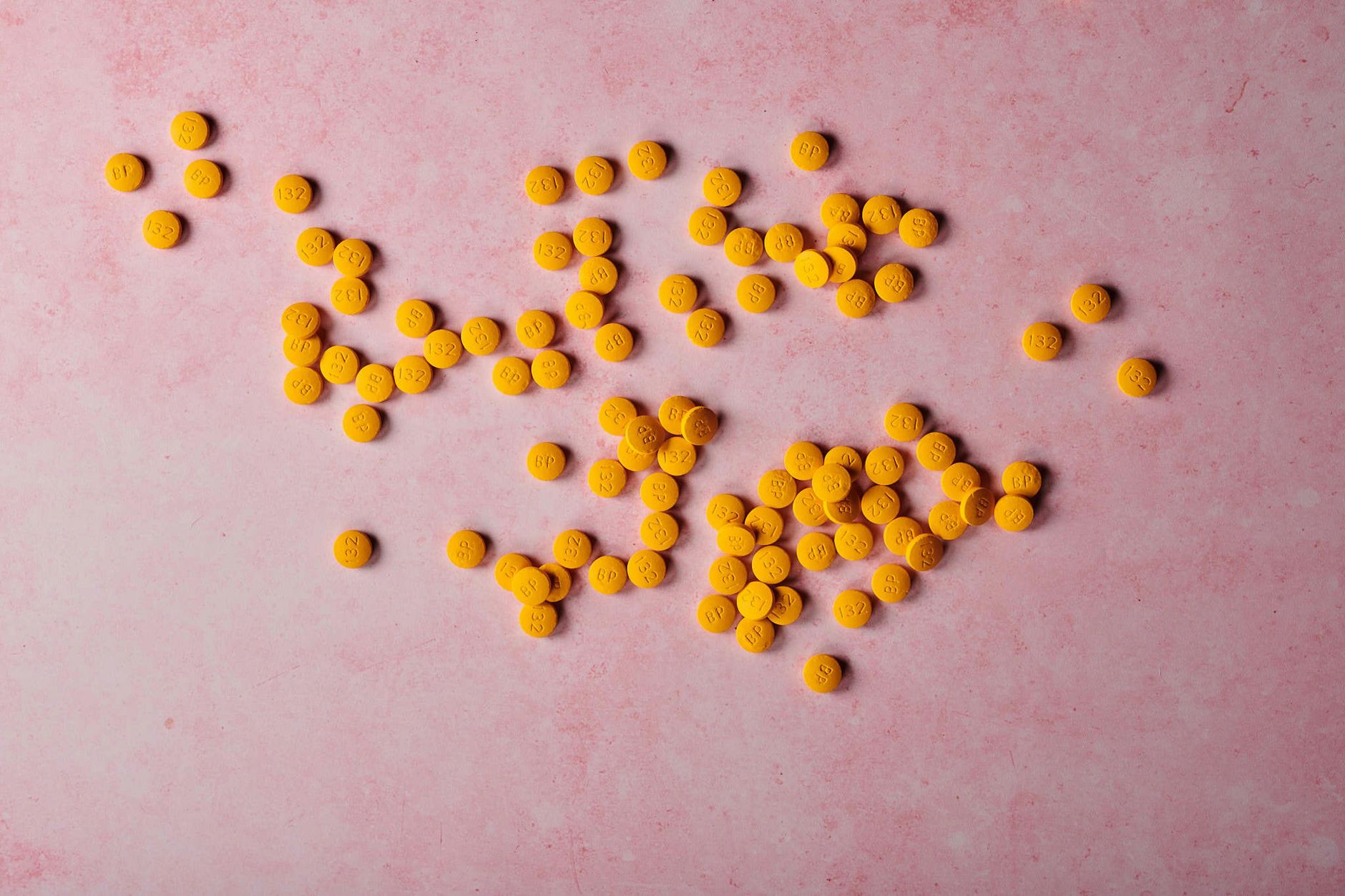
The dinner party used to be about who brought the best wine. Now it's about who's on Ozempic. What started as Hollywood's worst-kept secret has become the ultimate icebreaker at gatherings where everyone notices you're only eating three bites of everything. Injectable weight loss drugs aren't just changing bodies—they're redesigning social rituals around food, status, and medical transparency.
This isn't a trend about health. It's about the strange new social hierarchies forming around pharmaceutical intervention, where sharing your prescription becomes as loaded as sharing your salary, and ordering a salad suddenly requires an explanation.

Medical oversharing replaced small talk
Guests now arrive with pharmaceutical origin stories instead of hostess gifts. The question isn't whether someone's using GLP-1 drugs—it's when they'll mention it unprompted, usually before the first course. What was once private medical information has become conversational currency, creating an unexpected intimacy among relative strangers. The confession establishes credibility: you're not naturally thin, you're pharmaceutically disciplined.
Portion sizes became passive-aggressive statements
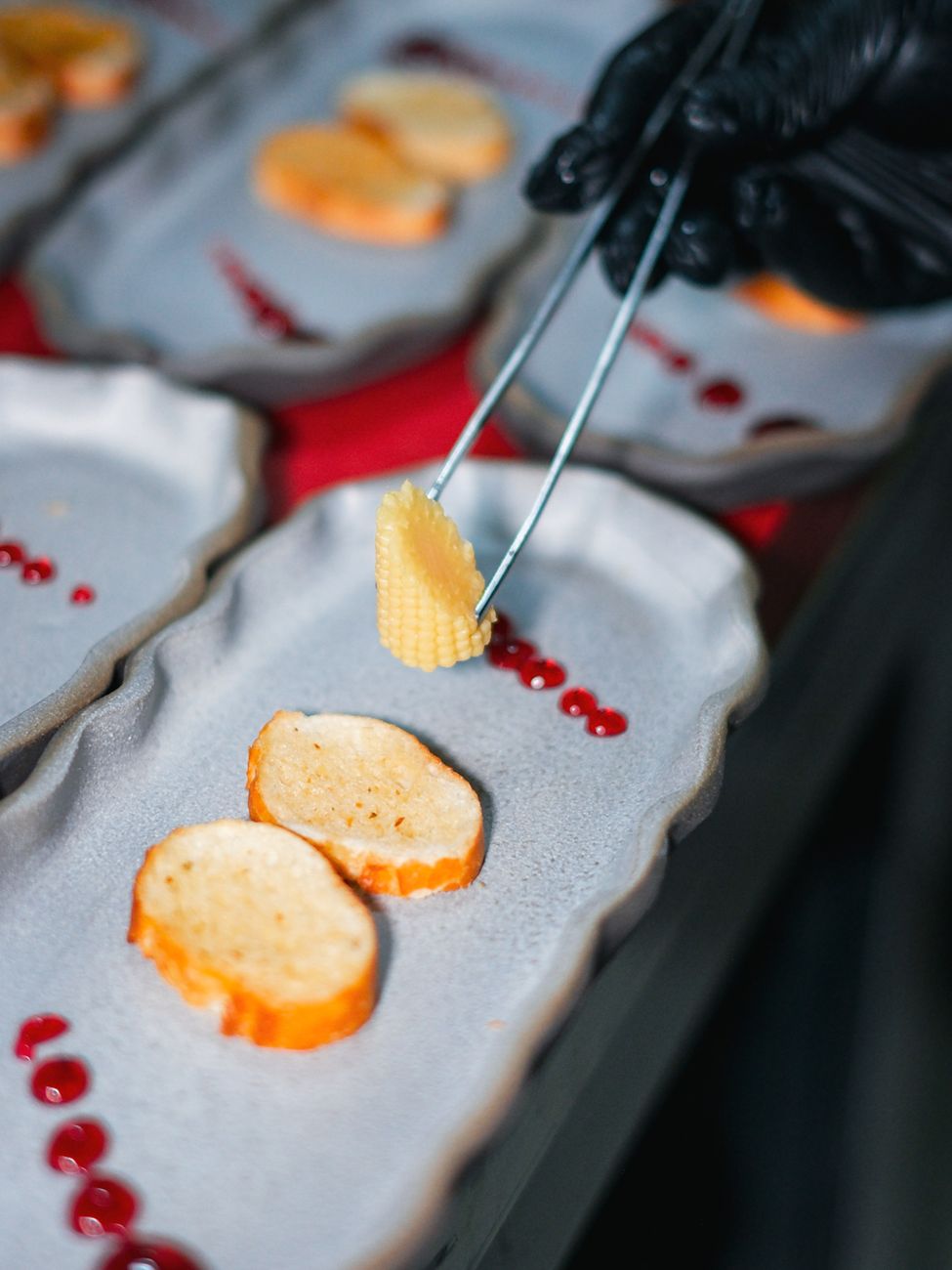
Hosts now navigate an impossible calculation: serve normal portions and watch half the table leave food untouched, or acknowledge the medication elephant in the room with deliberately smaller plates. The visual of abundant, barely-touched food has become the new dinner party tableau—part performance art, part waste. Everyone pretends not to notice, but the unfinished risotto speaks volumes about who's medicated and who's just polite.

New class divisions emerged at the table
Access to $1,000-per-month injections created an unspoken caste system where pharmaceutical privilege determines who gets to participate in the transformation narrative. Those with insurance coverage or disposable income quietly bond over side effects and dosage adjustments, while others navigate the discomfort of being locked out of the conversation. It's boutique fitness memberships all over again, except this time the exclusivity is literally under your skin.

Food lost its social function
When half the table can't stomach more than a few bites, the entire premise of gathering over a meal collapses. Dinner parties become endurance tests where the point isn't enjoyment but completion, where hosts anxiously watch for signs their cooking isn't the problem. The medication rewires the fundamental social contract of breaking bread together—food becomes scenery rather than centerpiece, and everyone's performing normalcy around appetite suppression.

The aesthetic replaced the achievement
Weight loss via injection carries none of the virtuosity of diet and exercise, which is precisely why it's controversial—and compelling. The results are visible but the process is invisible, creating a strange new type of transformation that resists documentation beyond needle marks and shrinking measurements. At dinner parties, the aesthetic outcome demands acknowledgment while the pharmaceutical means creates awkward silence. Everyone sees the change; no one knows quite how to compliment it.