Somewhere between the loneliness epidemic and our collective screen addiction, a peculiar solution emerged: strangers lying down together, fully clothed, chasing the kind of comfort most people forgot existed.
Welcome to the era of platonic co-sleeping parties, where millennials and Gen Z are paying $40-$80 to nap alongside acquaintances in Brooklyn lofts and Echo Park studios. It's not sexual. It's not meditation. It's something harder to categorize—and that's precisely why it's spreading.

The consent-first framework is everything
These gatherings open with 20-minute agreements on touch boundaries—where hands can go, what constitutes too close, verbal check-ins every 15 minutes. The structure feels corporate because it has to be. Without protocols that would make an HR department proud, the whole thing collapses into something else entirely. This isn't casual; it's intimacy with infrastructure.

It's filling the oxytocin deficit
Physical touch releases oxytocin, the bonding hormone most adults only access through romantic partnerships or expensive massage therapy. Co-sleeping events exploit this neurochemical gap. Participants report feeling "held" in a way they haven't since childhood—a devastating admission about how touch-starved modern life has become. The science works, even when the optics don't.
Cities with the highest therapy costs see the most attendance
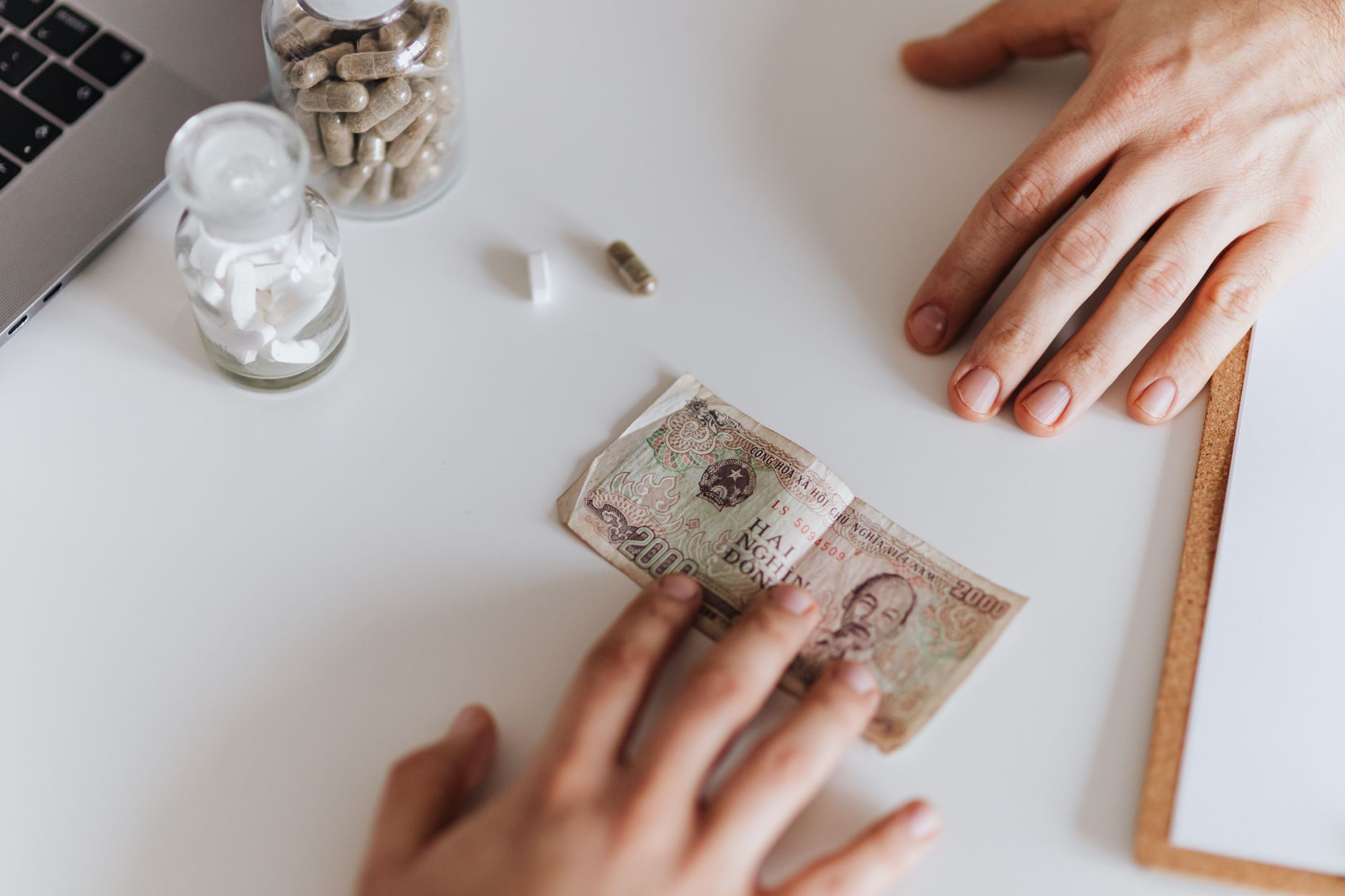
New York, San Francisco, London—markets where traditional mental health support costs $200+ per session are exactly where these $50 cuddle parties thrive. It's not a coincidence. When professional help is inaccessible, people get creative. This is emotional arbitrage: trading money for connection at a better exchange rate than what the wellness industry typically offers.
Men are showing up, and that's notable
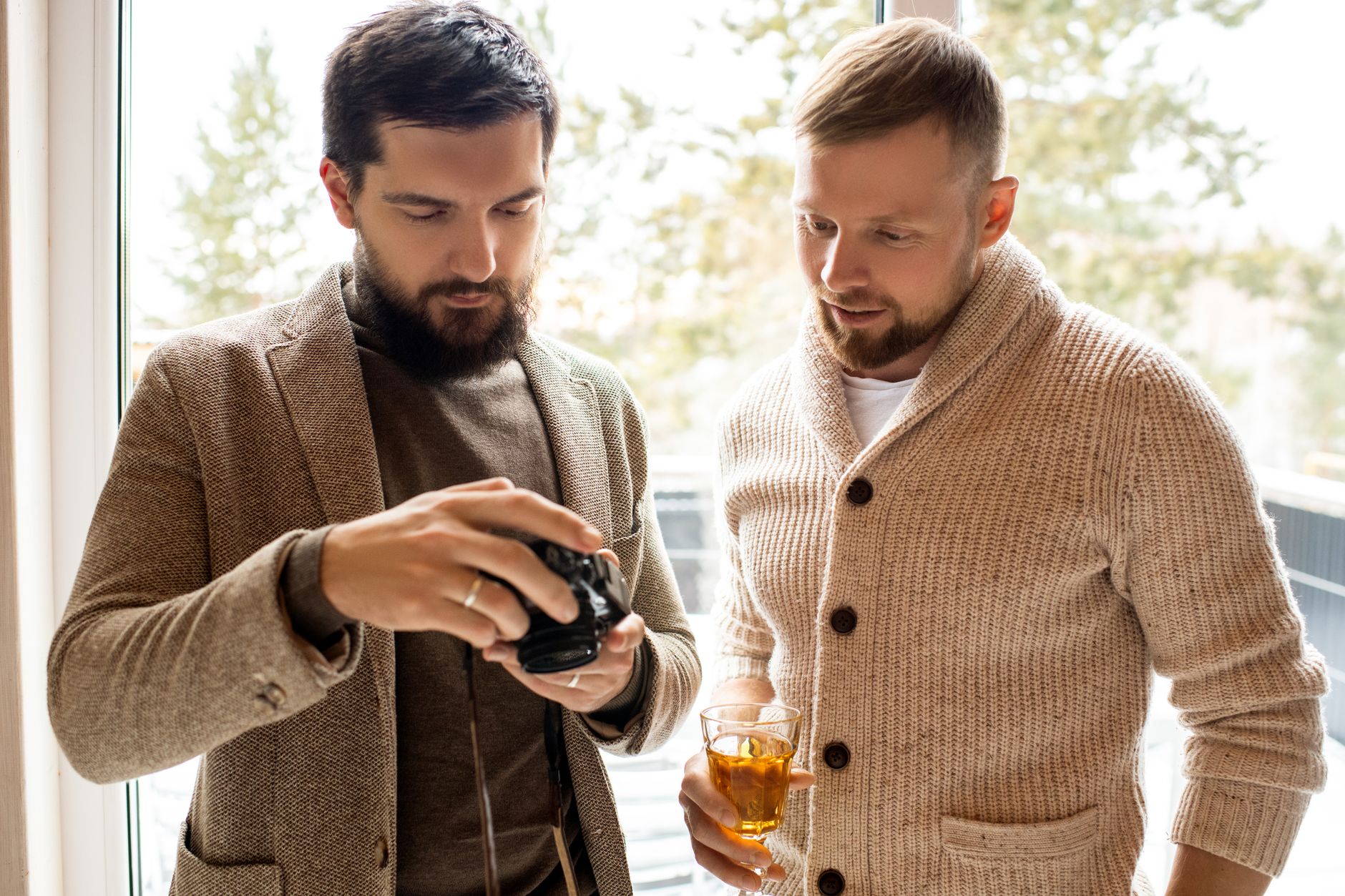
Roughly 40% of attendees identify as male, which disrupts every assumption about who seeks non-sexual physical contact. These aren't just spaces for women to process emotion—they're rare environments where men can be vulnerable without performance. The gender ratio suggests we've underestimated how starved everyone is for platonic touch, not just the demographics we expect.

The aesthetic is deliberately unsexy
Organizers choose brutally unglamorous venues: community centers, yoga studios with fluorescent lighting, living rooms that smell like lavender and boundaries. Everything is designed to kill any erotic charge—oversized clothing encouraged, dim but not dark lighting, facilitators who intervene at the first sign of ambiguity. The vibe is summer camp nurse's office, and that's strategic.
It's exposing how commodified all touch has become
We've normalized paying for every form of physical contact—massage, physical therapy, Brazilian waxes, personal training. Co-sleeping parties just make the transaction more obvious. The discomfort people feel about "paying to cuddle" reveals how deeply capitalism has infiltrated intimacy. At least this version doesn't pretend to be something else.

Insurance doesn't cover it, so it remains niche
Without medical billing codes or HSA eligibility, platonic co-sleeping can't scale the way meditation apps or therapy platforms have. It exists in the cash-only margins of wellness culture, accessible primarily to people with disposable income and flexible schedules. That limitation keeps it subcultural—and probably more authentic than if venture capital got involved.
The backlash is coming from exactly who you'd expect
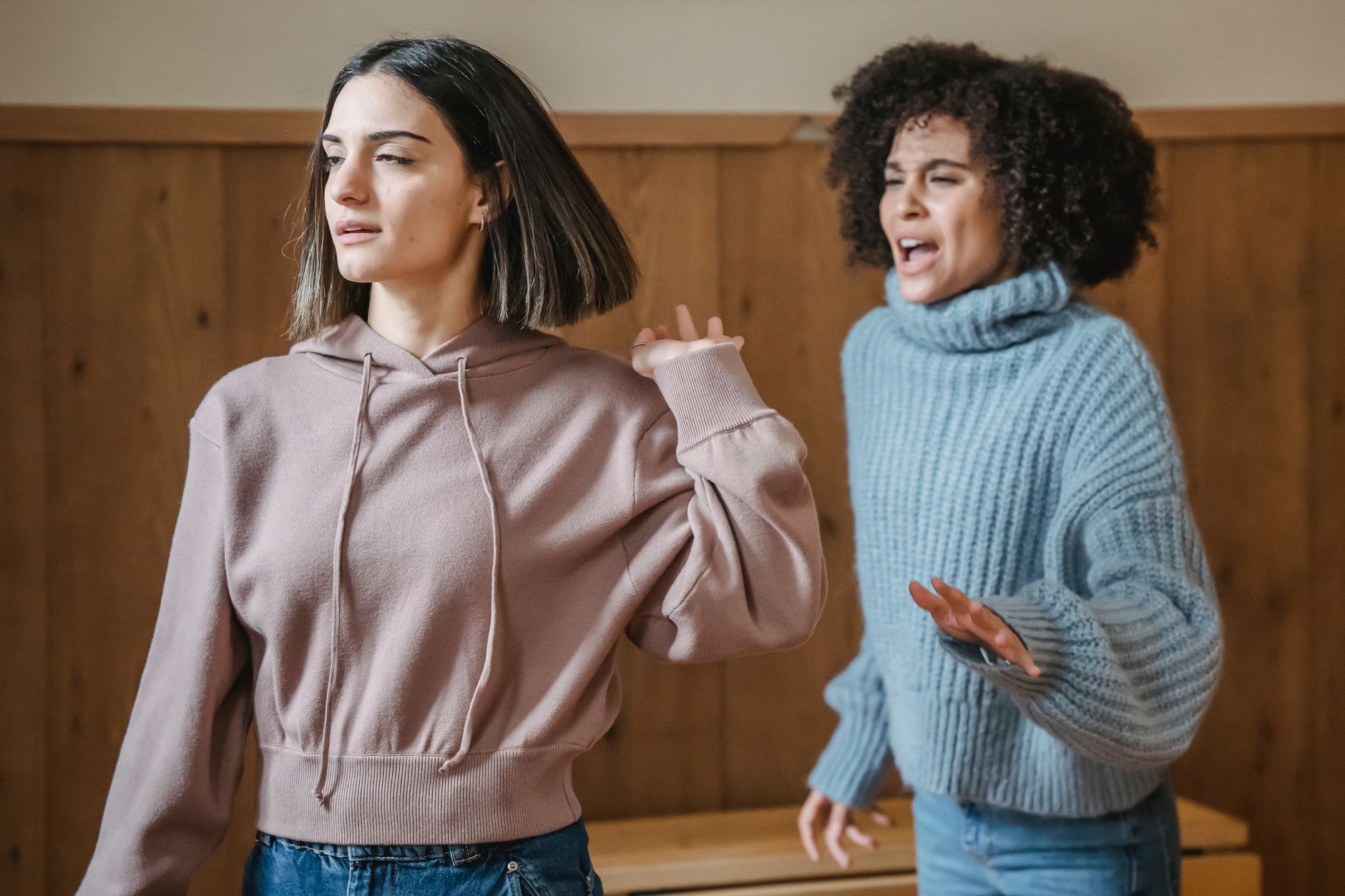
Conservative commentators and certain feminist factions have found rare common ground in criticizing these events as pathological, infantilizing, or dangerous. Both camps miss the point: this isn't about ideology. It's about bodies that ache from under-touch trying to solve a problem institutions have ignored. The pearl-clutching just confirms how threatening non-transactional intimacy remains.
- The consent-first framework is everything
- It's filling the oxytocin deficit
- Cities with the highest therapy costs see the most attendance
- Men are showing up, and that's notable
- The aesthetic is deliberately unsexy
- It's exposing how commodified all touch has become
- Insurance doesn't cover it, so it remains niche
- The backlash is coming from exactly who you'd expect