The Botox conversation has shifted from crow's feet to chronic pain, and Gen Z is leading the charge. Women under 40 are booking appointments not for smoothness, but for relief—15+ migraine days a month turns a cosmetic procedure into FDA-approved medical intervention. The beauty clinic becomes the neurologist's office, and suddenly the same injection your mother hid behind sunglasses is your insurance-covered treatment plan.
This isn't about vanity dressed up as health. It's about a generation that refuses to suffer in silence while the medical establishment dismisses debilitating pain as "just headaches." When conventional medicine fails, the beauty industry offers solutions with clinical backing. The aesthetics are a side effect; the quiet is the goal.

Chronic migraine legitimacy finally enters the chat
The FDA approved Botox for chronic migraines in 2010, but it took a TikTok generation to destigmatize it. Women who've tracked their pain in apps, missed work, and been told to "just take an Advil" are reclaiming the narrative. Insurance covers 31 injections every 12 weeks when you meet the diagnostic criteria—15+ headache days per month. The medical establishment finally listening looks suspiciously like a syringe.

The insurance reimbursement angle changes everything
When your neurologist writes the prescription and your insurance pays $300 of the $600+ treatment cost, Botox stops being a luxury and starts being healthcare infrastructure. The same women who budget for therapy and acupuncture now add quarterly injections to their Google Calendar between dental cleanings. It's preventative medicine with a paper trail, not a guilty pleasure charged to a credit card in a strip mall med-spa.
Medical vs. cosmetic becomes a convenient blur
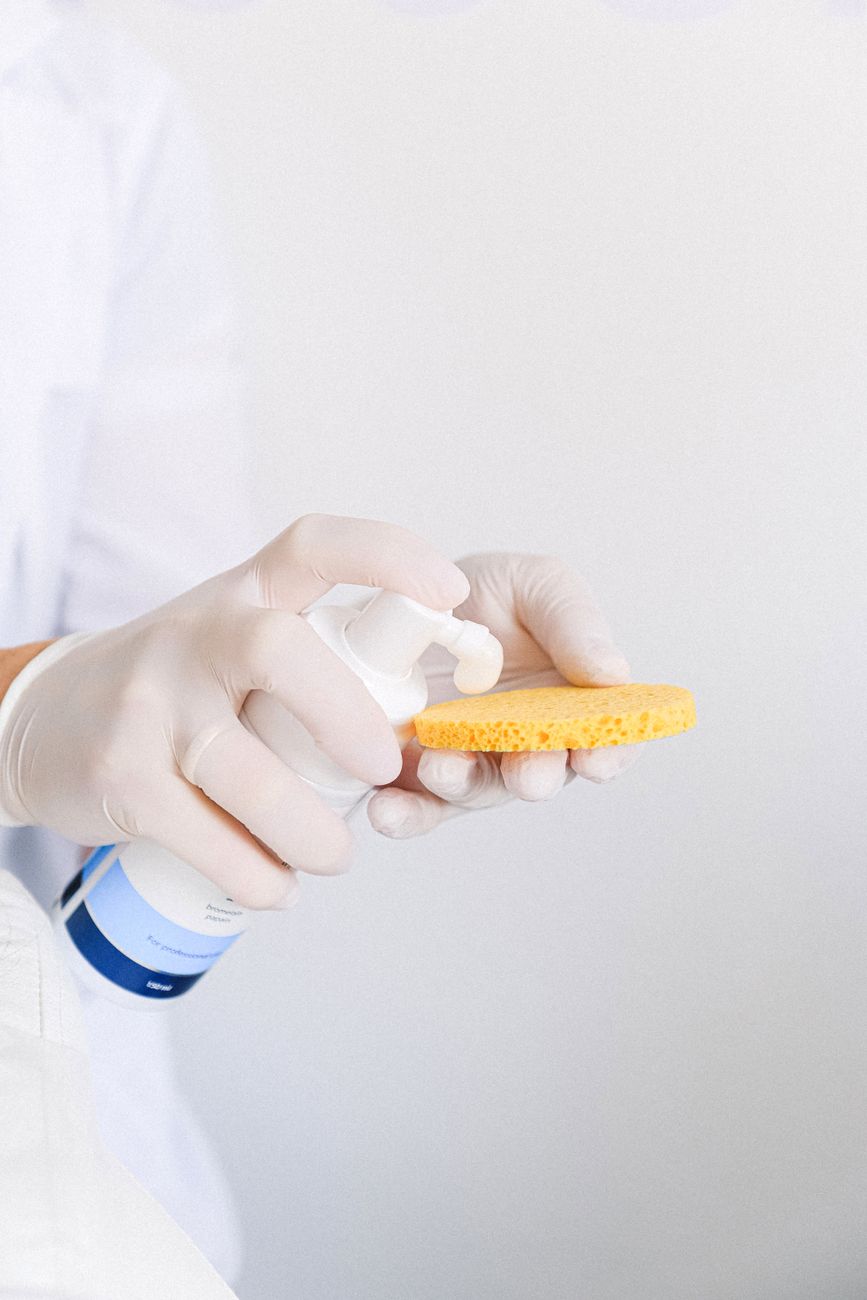
Nobody's pretending the forehead-smoothing is an unfortunate side effect. The quiet part is loud now: you can relieve debilitating pain and look refreshed in the same appointment. Dermatologists and neurologists are billing the same CPT codes, but the former offers better lighting and follows you on Instagram. Medical necessity with aesthetic optimization isn't duplicity—it's efficiency. Why separate what the treatment doesn't?

Migraine tracking apps meet wellness surveillance culture
To qualify for coverage, you document every headache like evidence in a trial. Apps like Migraine Buddy and Curelator turn your pain into data your insurance can't dispute. Gen Z and millennials already track their cycles, sleep, and steps—adding migraine frequency just means one more notification asking how you feel. Surveillance culture meets chronic illness, and suddenly your suffering has receipts. The algorithm believes you even when doctors didn't.

The neurologist waitlist is eight months long
When getting a neurology appointment takes longer than growing out a bad haircut, desperate patients go straight to dermatologists and med-spas that offer migraine protocols. The medical gatekeeping breaks down when you realize the injector with 10,000 Instagram followers has better availability than the hospital system. It's not ideal, but neither is losing two weeks of your life every month to a darkened room and an ice pack.

Preventative medicine for a generation that can't afford to be down
Freelancers without sick leave, women running startups, mothers without backup childcare—the precarity economy doesn't allow for debilitating chronic pain. Botox becomes strategic: three hours of injections every quarter to avoid 60+ hours of lost productivity. It's not indulgence, it's math. When your income depends on being functional and the gig economy offers no safety net, prevention isn't optional. It's survival rebranded as self-care.

The aesthetic dividend nobody mentions out loud
You came for migraine relief and stayed for the frozen forehead. Nobody's filing insurance claims for vanity, but nobody's declining the secondary benefits either. The conversation stays clinical—pain reduction, quality of life improvement, treatment compliance—while the real victory is looking composed when you feel like hell. It's not dishonest. It's just understanding that suffering shouldn't also require looking like you're suffering. Give women credit for optimizing what they can control.

Wellness industrial complex meets medical legitimacy
The same industry that sold you jade rollers and collagen powder now offers FDA-approved neurotoxin with a treatment plan your neurologist endorses. Medical spas rebrand as "integrative wellness centers" where your chronic migraine protocol sits next to someone's lip filler appointment. The boundary between healthcare and self-care dissolves when both address real problems. The wellness industrial complex wins again, but this time it actually works.
- Chronic migraine legitimacy finally enters the chat
- The insurance reimbursement angle changes everything
- Medical vs. cosmetic becomes a convenient blur
- Migraine tracking apps meet wellness surveillance culture
- The neurologist waitlist is eight months long
- Preventative medicine for a generation that can't afford to be down
- The aesthetic dividend nobody mentions out loud
- Wellness industrial complex meets medical legitimacy