The architecture of modern love is changing shape. Across major cities, couples who can afford the square footage are opting for separate bedrooms—not as a symptom of decline, but as a deliberate design choice. What was once read as relationship trouble is being reframed as radical self-awareness.
This isn't about distance. It's about the luxury of proximity without compromise. Five trends showing how separate spaces are becoming the foundation of stronger partnerships.
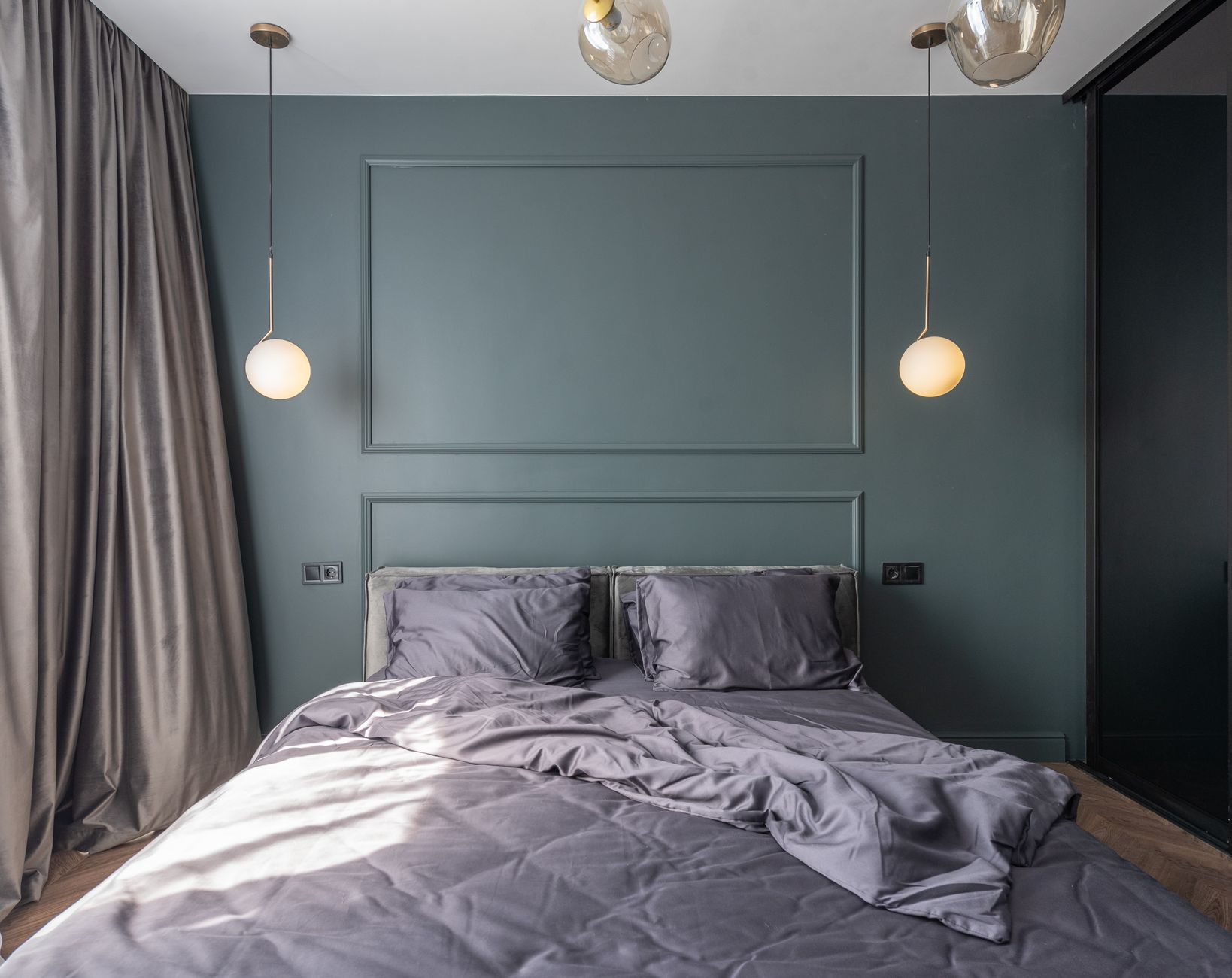
Sleep divorce goes mainstream among high-earners
The term sounds clinical, but the practice is increasingly pragmatic. Couples with disposable income are investing in dual primary suites—not because intimacy is dead, but because one partner's 5am Peloton habit shouldn't dictate the other's circadian rhythm. This is optimization culture applied to relationships: why should love mean sacrificing your REM cycle? The data backs it up—sleep quality directly impacts relationship satisfaction, and people are choosing rest over romantic symbolism.

Personal sovereignty as relationship skill
The ability to maintain individual identity within partnership is being treated as emotional intelligence, not selfishness. Separate bedrooms become physical manifestations of boundaries—a concept therapy-fluent generations take seriously. You're not rejecting your partner by needing space to decompress with a book and terrible reality TV they'd never tolerate. You're modeling that love doesn't require 24/7 enmeshment. Autonomy isn't the opposite of intimacy; it's the prerequisite.

Architectural layouts catch up to lifestyle shifts
Developers in urban markets are responding with floor plans that accommodate coupled individuals rather than assuming merged identities. Two-bedroom apartments are no longer marketed exclusively to roommates or future nurseries. Real estate language is shifting—'separate primary suites' appears in listings aimed at DINKs who want partnership without bedroom compromise. The built environment is finally acknowledging that how we live together has evolved past the single-bed default.

Intimacy becomes intentional, not incidental
When you're not collapsing into the same bed out of sheer routine, physical closeness becomes a conscious choice. Couples report that removing the expectation of shared sleep actually increases intentional connection—you have to decide to be together rather than defaulting to proximity. It's the difference between ambient partnership and active partnership. Separate bedrooms don't create distance; they create the space where desire can actually breathe.

Status signals shift from 'we' to 'I and I'
There's emerging cachet in being the couple who's secure enough to admit incompatibility in sleep preferences without treating it as relationship failure. It signals self-knowledge and the financial capacity to accommodate individual needs. The old status symbol was the king bed in the primary suite. The new one is having enough square footage that neither person has to compromise their nervous system for love. This is what confidence looks like now—knowing what you need and designing your life accordingly.