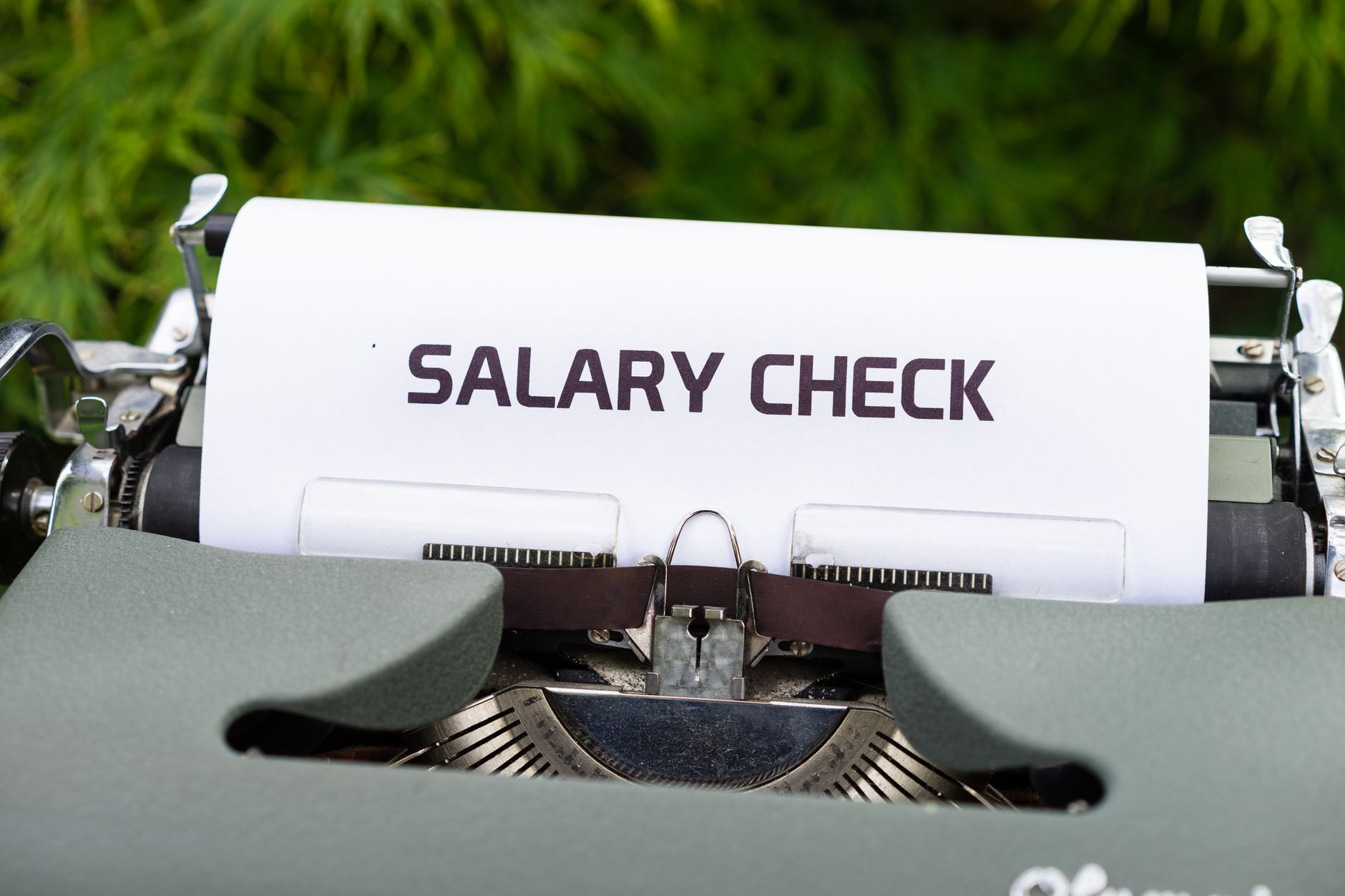
Salary transparency laws rolled out quietly across New York, California, and Colorado, designed as a gentle nudge toward equity. Nobody predicted women would treat them like ammunition. Within months of implementation, the landscape shifted—not because companies suddenly became generous, but because information became power, and women knew exactly what to do with it.
The wage gap hasn't closed. But the conversation has fundamentally changed. Women aren't asking nicely anymore. They're walking into negotiations with screenshots, competitor postings, and the exact figure their male colleague makes. Here's what's actually happening now that the numbers are public.

The Screenshot Economy
Women are building private databases of salary ranges—by role, by company, by geography. Slack channels and group chats have become informal compensation libraries where posting a lowball offer gets immediate peer review and competitive intel. This isn't crowdsourced advice. It's strategic information warfare, and it's making recruiters nervous.

The Negotiation Floor Just Rose
Transparency laws eliminated the guessing game that historically penalized women who undervalued themselves. Now the posted range is the starting point, not the aspiration. Women are anchoring negotiations at the top of the band and using competing offers—with their conveniently public ranges—as leverage. The "what are your salary expectations" question has lost its teeth entirely.

Internal Inequity Is Getting Loud
When external job postings reveal that new hires are being offered more than tenured employees make, internal revolts follow. Women are forwarding job listings to managers with subject lines that don't require elaboration. Some companies are hemorrhaging talent. Others are conducting emergency compensation audits. Either way, the silence around internal pay disparities is over.

The Litigation Threat Became Real
Employment lawyers report a surge in consults from women armed with printed salary bands and their own pay stubs. Transparency laws created a paper trail that's hard to explain away in court. Companies that can't justify why a woman is paid 20% below the posted range for her role are settling quickly and quietly. The fear of discovery is doing what policy alone couldn't.

The Loyalty Calculation Changed
Transparency revealed what many suspected: staying loyal costs money. Women are watching new hire salaries eclipse their own after years of incremental raises and realizing tenure is financially penalized. The result is unprecedented turnover among high performers who now have the data to prove they're underpaid. Job-hopping isn't just accepted—it's the only rational move when the math is public.