The pharmaceutical approach to sleep is losing its grip on the executive class. While sleeping pills once seemed like an efficient solution to jet lag and deadline stress, a quiet exodus is underway toward personalized sleep coaching—complete with breathwork protocols, light exposure strategies, and sleep diaries that would make a quantified-self enthusiast weep.
This isn't about wellness for wellness's sake. High performers are realizing that chemically induced unconsciousness doesn't deliver the cognitive restoration, memory consolidation, or hormonal balance that actual sleep architecture provides. The result: a cottage industry of sleep coaches commanding rates that rival executive therapists, and clients who treat their circadian rhythm like a competitive advantage.
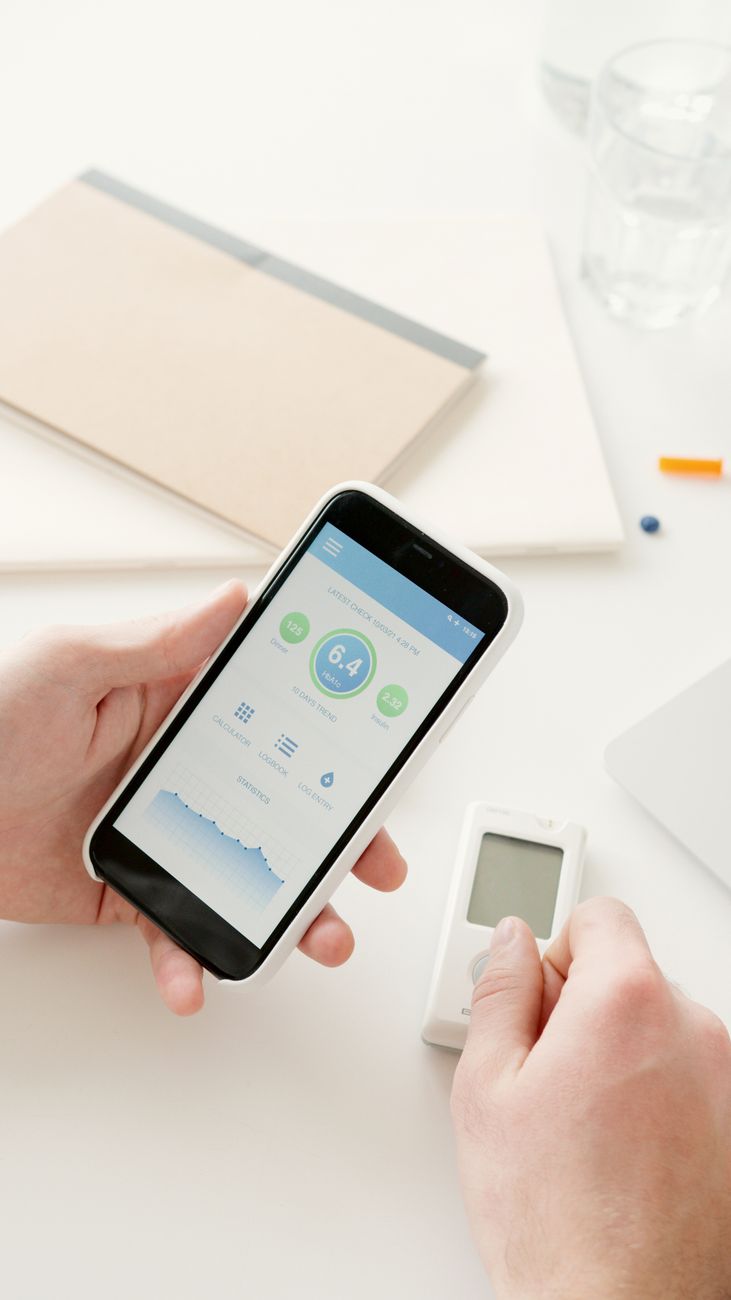
Biometric feedback replaced guesswork
Oura rings and Whoop straps transformed sleep from subjective experience into hard data, and coaches now build protocols around REM percentages and heart rate variability trends. Unlike a pill that simply sedates, this approach reveals whether your 2 PM espresso or late dinner is sabotaging deep sleep cycles. The feedback loop makes sleep optimization feel less like self-care and more like athletic training—which is precisely the reframe that makes it appealing to people who find meditation unbearably slow.

Dependency concerns finally landed
The long-term cost of benzodiazepines and Z-drugs is no longer theoretical for a generation now confronting tolerance, rebound insomnia, and cognitive fog that lingers past morning. Sleep coaches offer an exit strategy through gradual protocol shifts rather than cold-turkey withdrawal. What's selling isn't fear-mongering about pharmaceuticals—it's the promise of sleep that actually works without requiring escalating doses or next-day damage control.
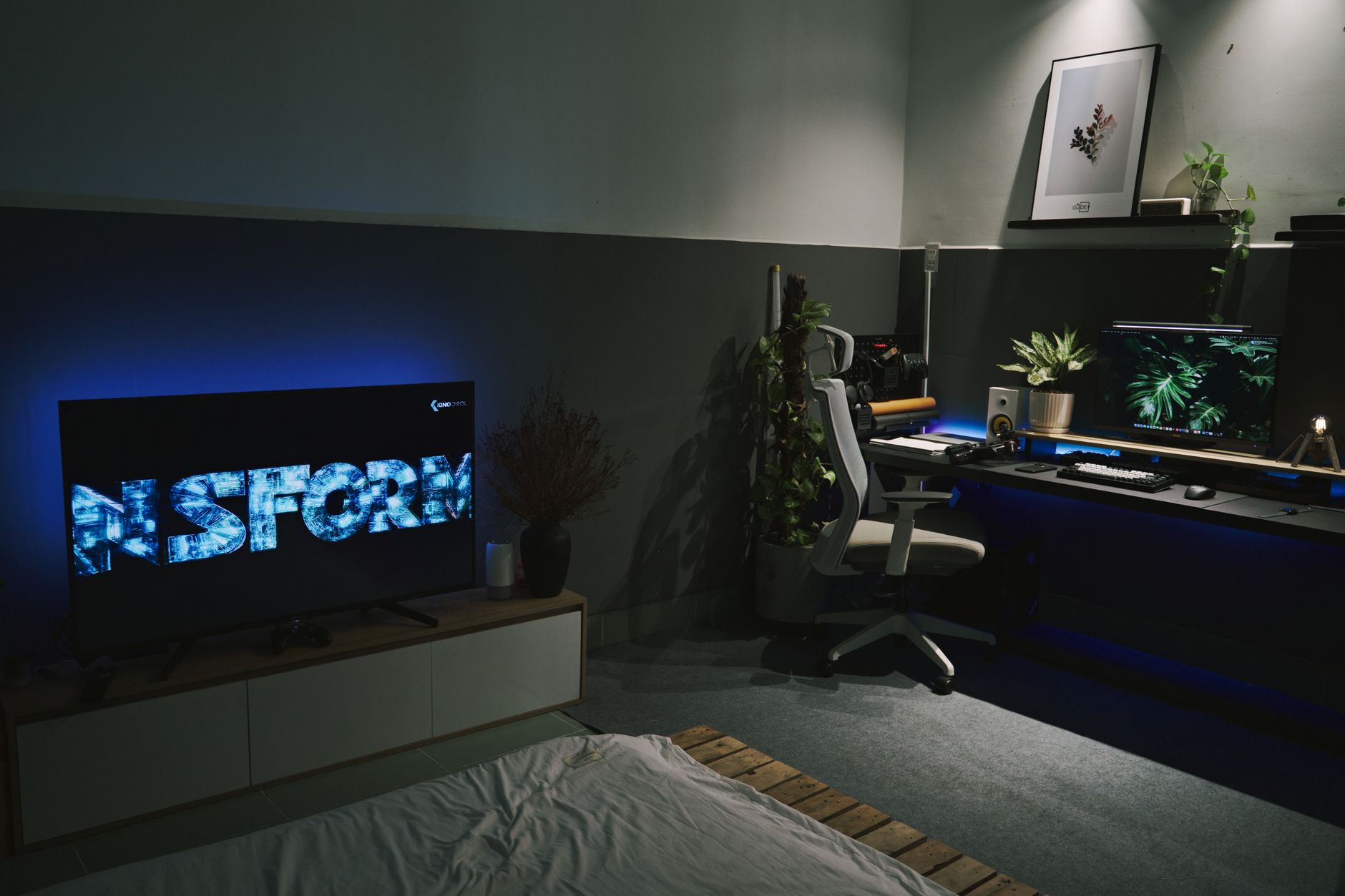
Military sleep techniques went mainstream
The cognitive shuffle method, developed for fighter pilots who need to fall asleep on command, is now cocktail party conversation among venture capitalists. Sleep coaches are packaging techniques from military and athletic performance contexts, stripping away the biohacker Reddit aesthetic and delivering them as efficient, results-driven protocols. It's tactical rather than mystical, which matters when your client base considers meditation apps too woo-woo but will happily adopt a Navy SEAL's pre-sleep routine.

Sleep became a status symbol
Bragging about how little sleep you need has been replaced by flex-worthy eight-hour stretches and pristine sleep scores. Having a sleep coach signals that you're optimizing at a level beyond basic productivity hacks—you're engineering recovery itself. The status shift is complete when getting proper sleep is framed not as weakness or luxury, but as the kind of disciplined investment that separates serious performers from amateurs who are still confusing exhaustion with dedication.

Personalization beats one-size-fits-all prescriptions
A sleeping pill offers the same mechanism to everyone; a sleep coach tailors light exposure timing to your chronotype, calibrates caffeine cutoffs to your metabolism, and adjusts protocols based on travel schedules and stress cycles. This bespoke approach mirrors the broader shift in wellness away from universal solutions toward individual optimization. The irony is that what makes coaching effective—its specificity and adaptability—is exactly what a prescription pad can't provide, no matter how convenient the pharmacy.