There's a woman in Brooklyn who tracks seventeen daily metrics before breakfast. Cervical fluid viscosity. REM cycles. Resting heart rate variability. Ketone levels. She has three years of data and zero answers about why she still feels terrible.
The wellness-industrial complex promised that more data would mean more control. Track your symptoms, understand your patterns, optimize your body. Instead, we've created a generation of women drowning in spreadsheets, watching their vitals like stock tickers, paralyzed by information that somehow reveals nothing. The app isn't the problem. The belief that your body is a code you can crack is.
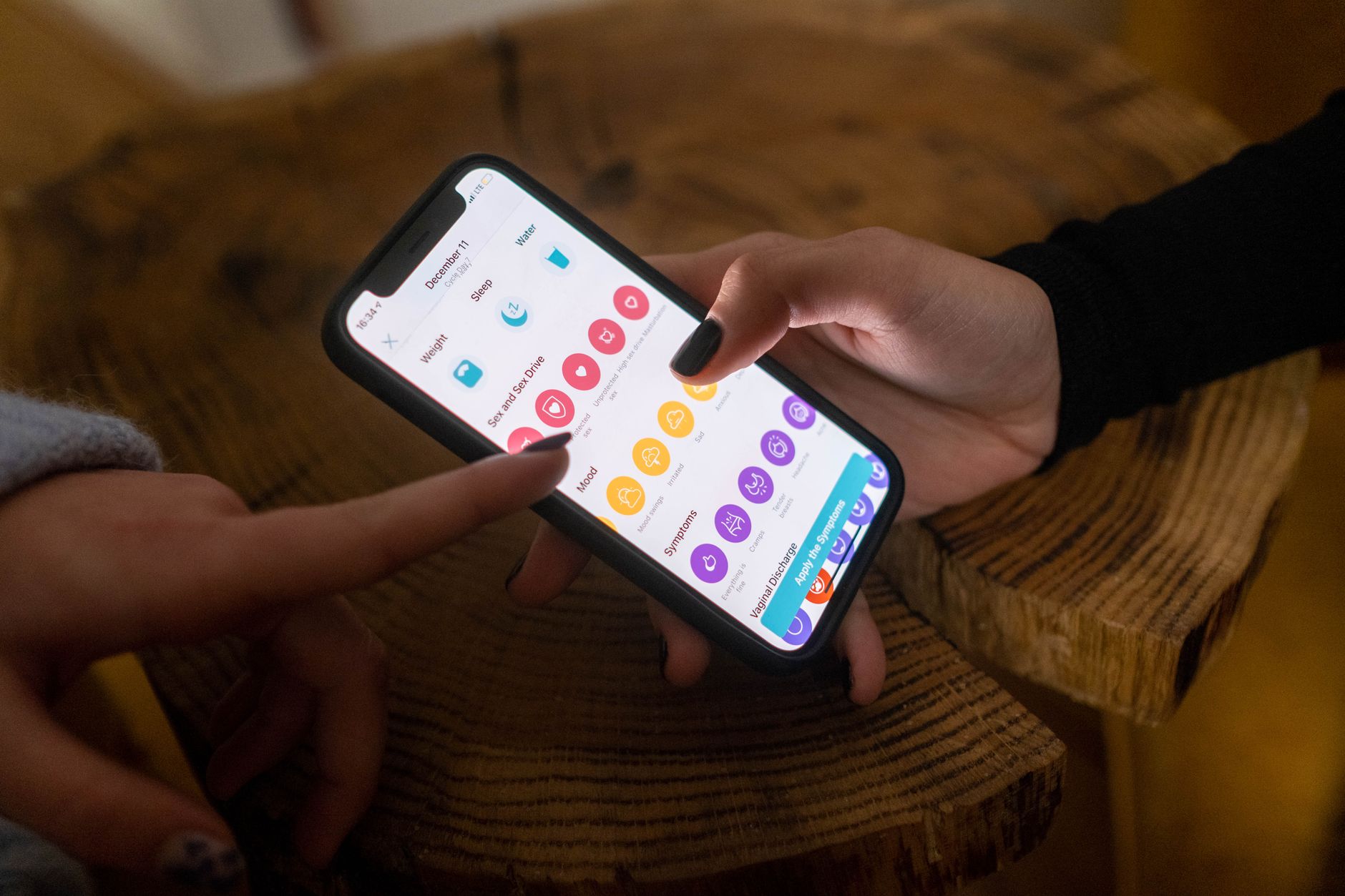
The tracker becomes the symptom
When you're logging eight times a day, checking three apps, and cross-referencing your basal body temperature against yesterday's anxiety score, the tracking itself becomes the stressor. Women report spending up to two hours daily on symptom documentation—time that could be spent sleeping, moving, or literally anything that might actually help. The ritual of measurement triggers the very cortisol spikes they're trying to understand. Checking if you feel anxious makes you anxious. Revolutionary.
Pattern recognition breaks down in the noise
Your body isn't a controlled laboratory. It's responding to your breakup, the election, your mother's text, the quality of light through your window, a memory from 2011. When you track fifty variables, you'll find correlations everywhere—and they'll mean nothing. Women are diagnosing themselves with PMDD because their mood dipped on day 23 of their cycle, ignoring that day 23 was also when their landlord raised the rent. The data points are real. The conclusions are fan fiction.
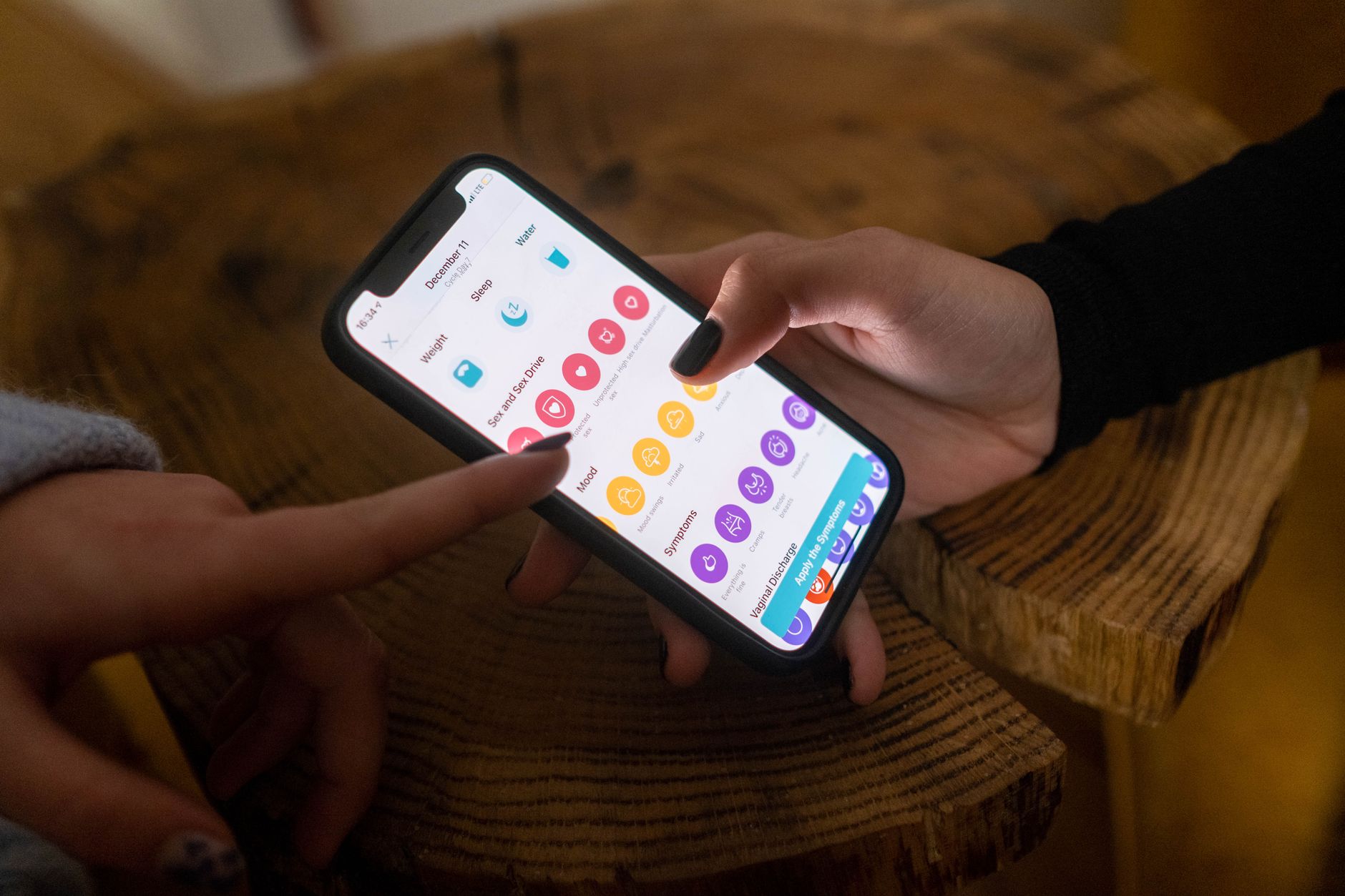
The apps are designed for pregnancy, not understanding
Most tracking apps were built to answer one question: when can you get pregnant. They've been repurposed as general wellness tools without redesigning the underlying logic. The algorithms are looking for ovulation patterns, not thyroid dysfunction or perimenopause or why you feel like you're vibrating out of your skin every third Tuesday. You're using a hammer to perform surgery, then wondering why nothing's getting fixed. The tool is answering a question you're not asking.

Intuition atrophies under surveillance
There's a particular kind of body illiteracy spreading among the most tracked women. They can't tell if they're hungry or just bored without consulting yesterday's macros. Can't identify fatigue versus depression without checking their sleep score. The constant external measurement makes you distrust the internal signal. You stop asking "how do I feel" and start asking "what does the data say I should feel." Your body keeps sending messages. You've just forgotten the language.

The real pattern is that you need to stop
The women who've broken the tracking spiral report the same experience: clarity arrived when they deleted the apps. Not because data is useless, but because three months of rough notes—"felt good after eating earlier," "worse when I skip breakfast," "that supplement does nothing"—tells you more than three years of quantified everything. The breakthrough insight is almost always embarrassingly simple. You need more sleep. You're eating lunch too late. You hate your job. No app required.