Somewhere between acknowledging burnout and dodging basic human obligation, 'I don't have the capacity' became the ultimate conversational dead bolt. It's the phrase that sounds like self-care but functions like a corporate HR email—polite, opaque, immune to follow-up questions.
What started as legitimate boundary-setting has morphed into something more calculated: a therapeutic Get Out of Jail Free card that weaponizes wellness language to avoid discomfort, confrontation, or simply having to explain yourself. The result is relationships conducted like customer service interactions, where everyone's perpetually at capacity and no one's ever actually available.

Therapy-speak became the new professional jargon
The language of mental health—'capacity,' 'bandwidth,' 'holding space'—migrated from therapists' offices to group chats, transforming personal boundaries into productivity metrics. It sounds supportive, even vulnerable, which makes it functionally unchallengeable. Question someone's capacity and you're the monster who doesn't respect mental health. The clinical vocabulary creates distance precisely because it sounds so caring, turning emotional unavailability into a wellness practice rather than a choice.

The phrase requires zero justification
Unlike 'I'm busy' or 'I can't make it,' which invite natural follow-up, 'I don't have the capacity' shuts down the entire exchange. It's self-contained, pre-justified, designed to make further inquiry feel invasive. The genius is its vagueness—capacity for what, exactly? The phrase doesn't distinguish between 'I'm genuinely overwhelmed' and 'I'd rather not,' collapsing all declinations into a single unassailable category. It's the perfect linguistic shield: soft enough to seem kind, firm enough to be final.
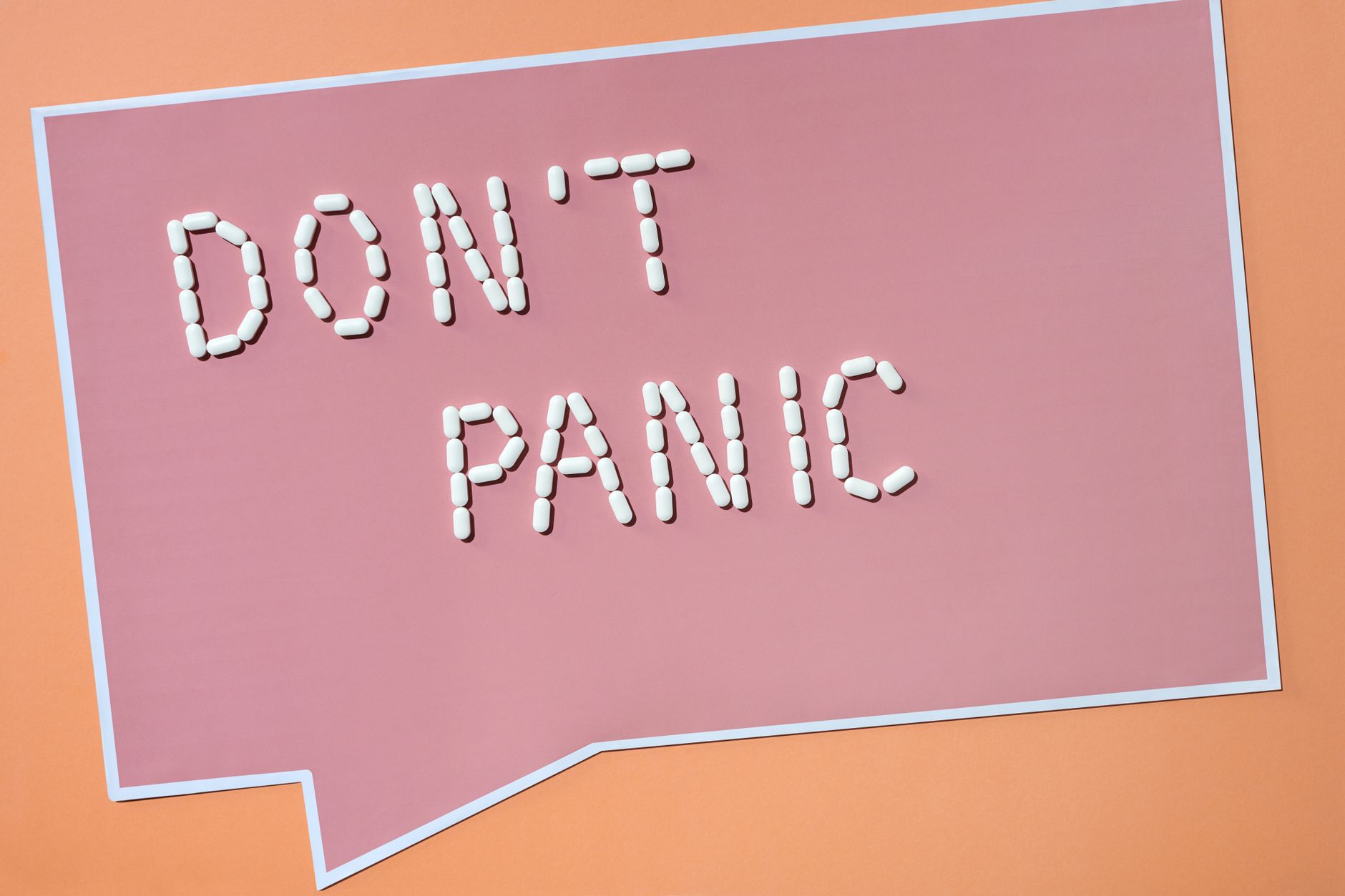
It's replacing 'no' in situations that don't require diagnosis
Declining a dinner invitation now comes with the gravitas of disclosing a medical condition. The phrase has inflated routine social opt-outs into declarations of limitation, as if attending a birthday drinks requires the same psychological resources as crisis intervention. This isn't about protecting boundaries—it's about making every 'no' sound like a doctor's note. The effect is relationships conducted at arm's length, where casual plans carry the weight of formal requests and spontaneity becomes an imposition on someone's capacity budget.

Softness became the most aggressive communication style
There's something more cutting about therapeutic rejection than outright bluntness. 'I don't have the capacity' sounds gentle but operates as a conversation-ender, a velvet rope with no visible bouncer. It's passive-aggressive self-care, politeness that functions like plexiglass—you can see through it but you can't reach through it. The person deploying it gets to feel enlightened about their boundaries while the person receiving it has nowhere to go with their disappointment. Softness, it turns out, can be the most impenetrable texture.
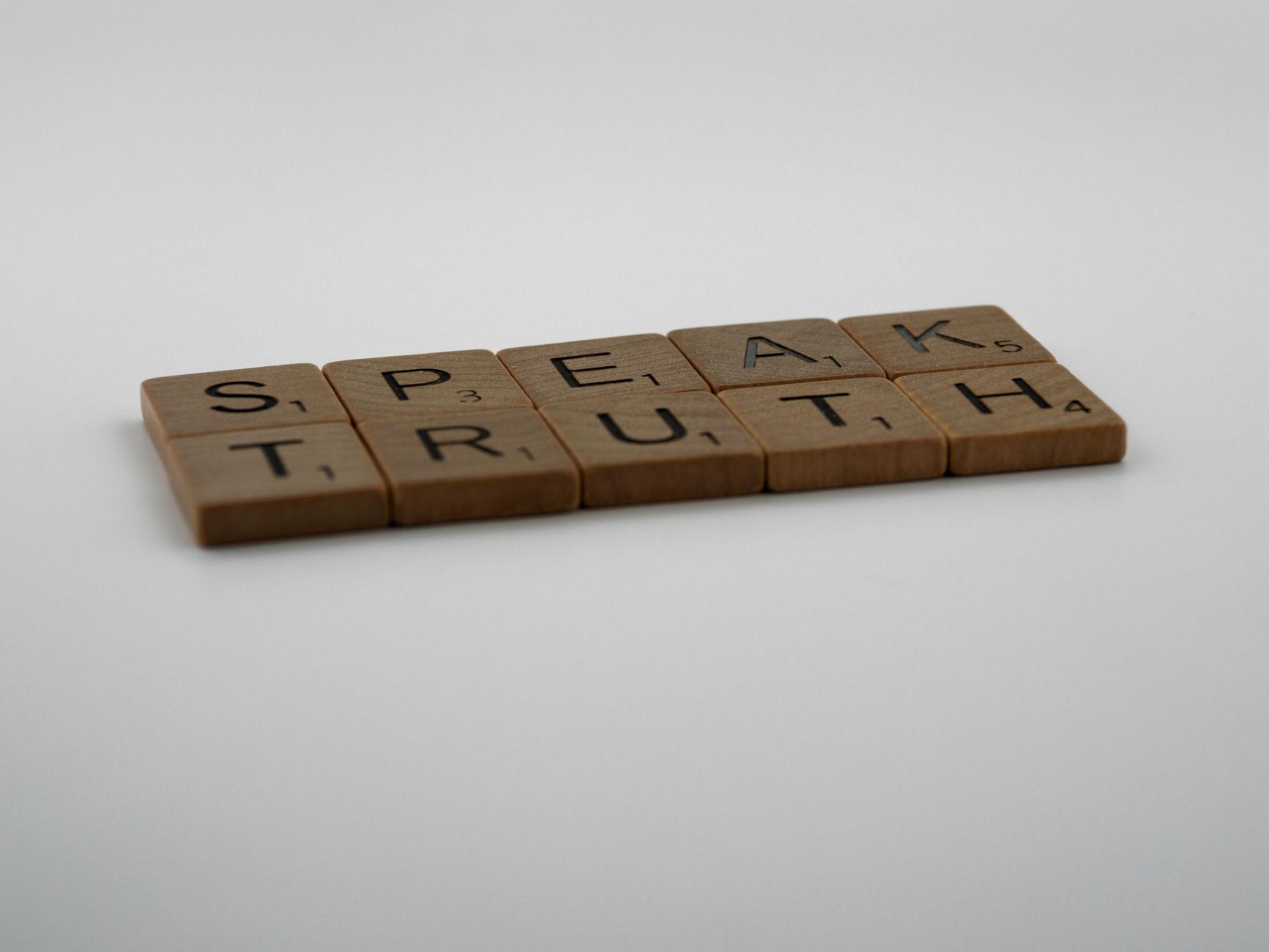
We're outsourcing honesty to wellness vocabulary
The real issue isn't boundaries—it's that we've stopped differentiating between 'I'm protecting my mental health' and 'I don't want to.' Borrowing clinical language for everyday decisions creates a culture where preferences masquerade as pathology, where saying you'd rather stay home requires invoking your capacity like it's a medical resource. Legitimate burnout exists. So does just not feeling like it. Conflating the two doesn't make us more emotionally intelligent—it makes us harder to know, wrapping ordinary human selectivity in the unimpeachable armor of therapeutic need.