The women walking into ketamine clinics aren't looking for a psychedelic experience. They're looking for relief after years—sometimes decades—of SSRIs that stopped working, therapy that plateaued, and doctors who kept adjusting dosages instead of asking better questions. What started as a fringe treatment for treatment-resistant depression has become a quiet exodus from conventional psychiatry, driven largely by women who are tired of being managed instead of healed.
This isn't about wellness tourism or biohacking. It's about a healthcare system that has consistently failed women's mental health, and the expensive, clinically complex alternatives they're turning to instead. Here's what's actually happening.

The SSRI Fatigue Is Real, and It's Gendered
Women are prescribed antidepressants at nearly twice the rate of men, yet they also report higher rates of side effects and treatment failure. After cycling through multiple medications—each taking weeks to assess effectiveness—many reach a point where the protocol feels more harmful than the condition. Ketamine offers something SSRIs don't: rapid results, often within hours, which feels revolutionary when you've spent years waiting for chemistry to balance itself.
It's Expensive, and That's Part of the Appeal
Ketamine therapy can cost $400-$800 per session, rarely covered by insurance, which paradoxically signals legitimacy to patients exhausted by the lottery of insurance-approved treatments. The price point creates a strange dynamic: women are paying out-of-pocket for what feels like actual medical attention—longer appointments, personalized protocols, doctors who listen—because their insurance-covered care has been so consistently inadequate. The economics reveal how broken the system is when paying more feels like the only way to be taken seriously.

The Clinics Treat Women Like Adults, Not Symptoms
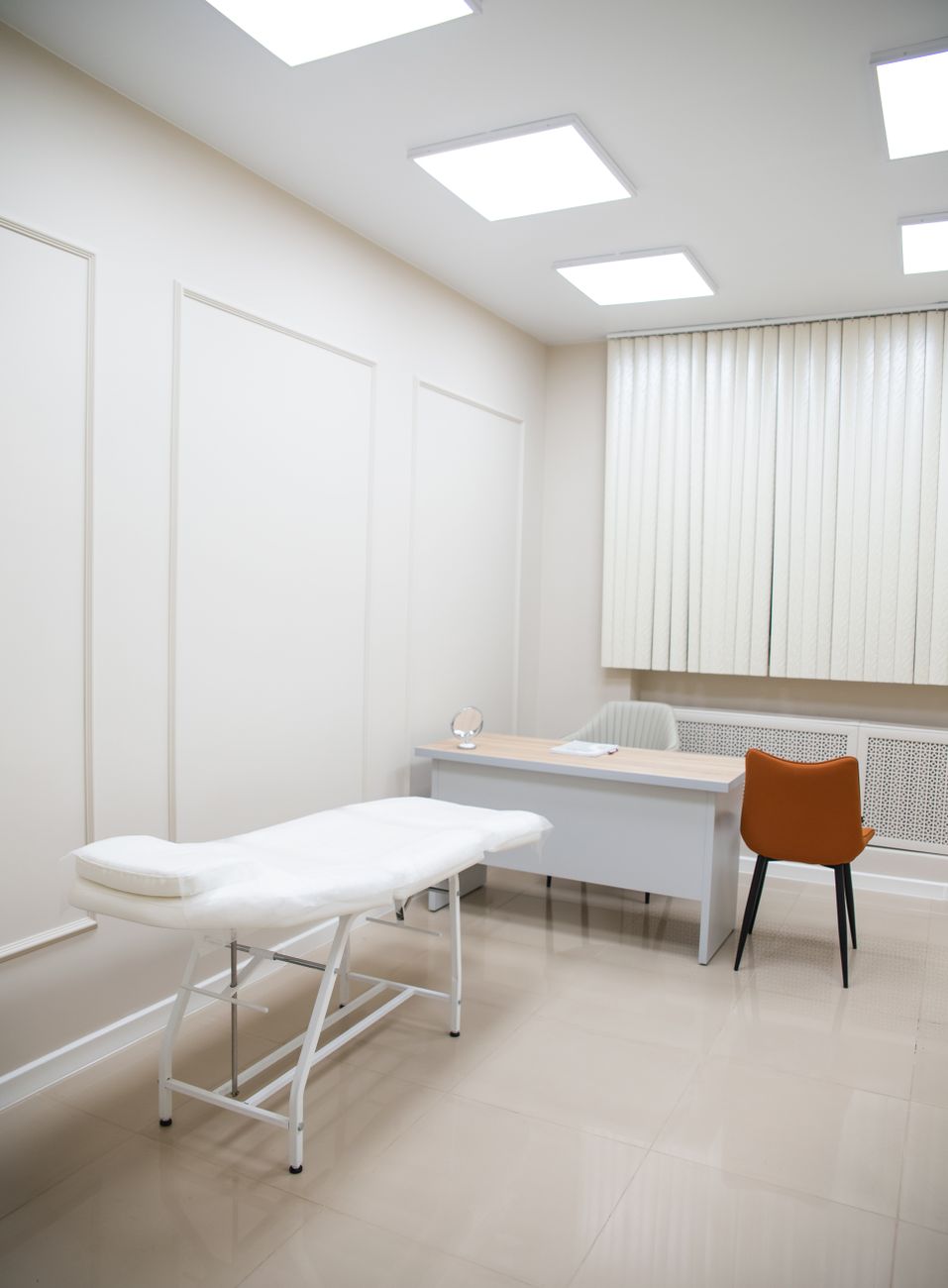
Ketamine clinics operate outside the fifteen-minute appointment conveyor belt, and patients notice. Sessions include intake assessments that go beyond checkbox symptom screening, integration therapy that contextualizes the treatment, and follow-up that doesn't feel like prescription renewal. For women used to having their depression treated as a serotonin deficiency rather than a response to circumstances—chronic stress, hormonal shifts, systemic inequality—this feels like a different paradigm entirely, even if it shouldn't be considered revolutionary to be treated holistically.

The Psychedelic Element Isn't Incidental
Unlike SSRIs, which work quietly in the background, ketamine's dissociative properties create an experience—one that many women describe as providing perspective their regular therapy couldn't access. The temporary shift in consciousness allows some patients to observe their depression rather than be consumed by it, creating insights that feel earned rather than chemically suppressed. Whether this is pharmacology or placebo is almost beside the point when traditional treatments have offered neither relief nor understanding.

This Is What Happens When Insurance-Based Mental Healthcare Fails
The rise of ketamine clinics is less a wellness trend and more a referendum on how psychiatry treats women. When the standard of care means years of trial-and-error prescribing with minimal therapeutic support, patients with means will find alternatives—even if those alternatives cost thousands and exist in regulatory gray areas. The women turning to ketamine aren't rejecting medicine; they're rejecting a system that has consistently minimized their suffering, dismissed their concerns, and offered them the same solutions on repeat. That this feels like progress says everything about where we started.