For decades, the ballet flat carried an unspoken asterisk—acceptable only if you were running between meetings, recovering from heels, or simply too practical to care. The shoe existed in fashion purgatory: too pedestrian for evening, too precious for actual movement, forever coded as the choice you made when you'd given up.
That narrative is finished. From Alaïa's architectural leather constructions to Repetto's collaboration renaissance, the ballet flat has become fashion's most assertive silhouette. Not despite its flatness, but because of it. This is how the power shifted.
The Alaïa Effect Makes Flats a Luxury Anchor
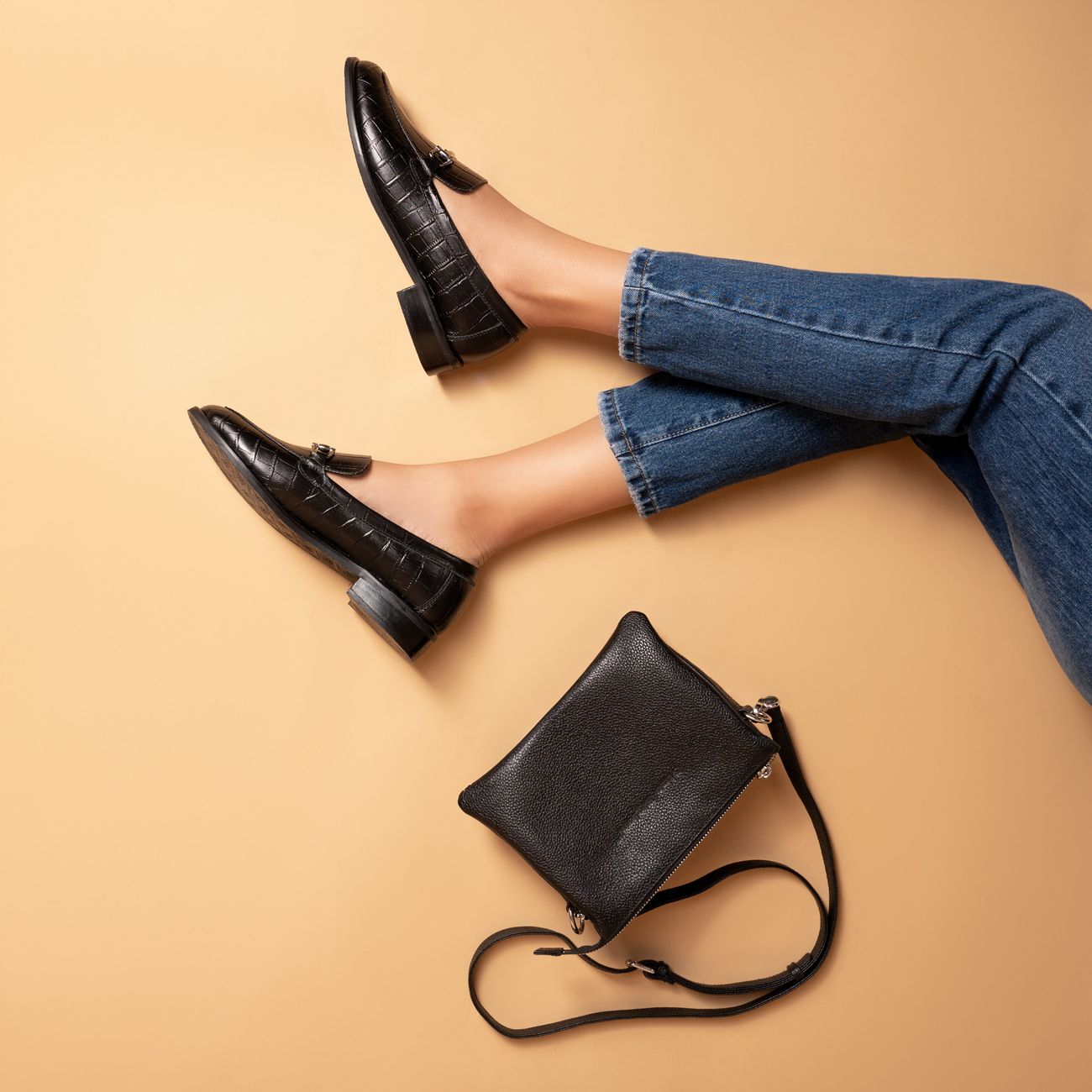
When Alaïa's mesh and leather ballet flats started commanding four-figure price tags and six-month waitlists, something fundamental changed. These weren't supplements to a wardrobe—they were the foundation. The brand proved that flats could carry the same sculptural weight and material innovation as any heel, transforming them from afterthought to centerpiece without altering a single millimeter of elevation.

The Row Turned Minimalism Into Flat Shoe Doctrine
The Row's approach to the ballet flat reads like a manifesto: perfect proportion, invisible construction, zero embellishment. Their versions have become the uniform of a specific kind of power—the kind that doesn't announce itself. When a shoe this quiet sells out repeatedly at $890, it's not about the shoe. It's about what wearing it signals: that you've moved past needing fashion to do the talking.
Mesh Flats Brought Texture to the Flat-Shoe Conversation
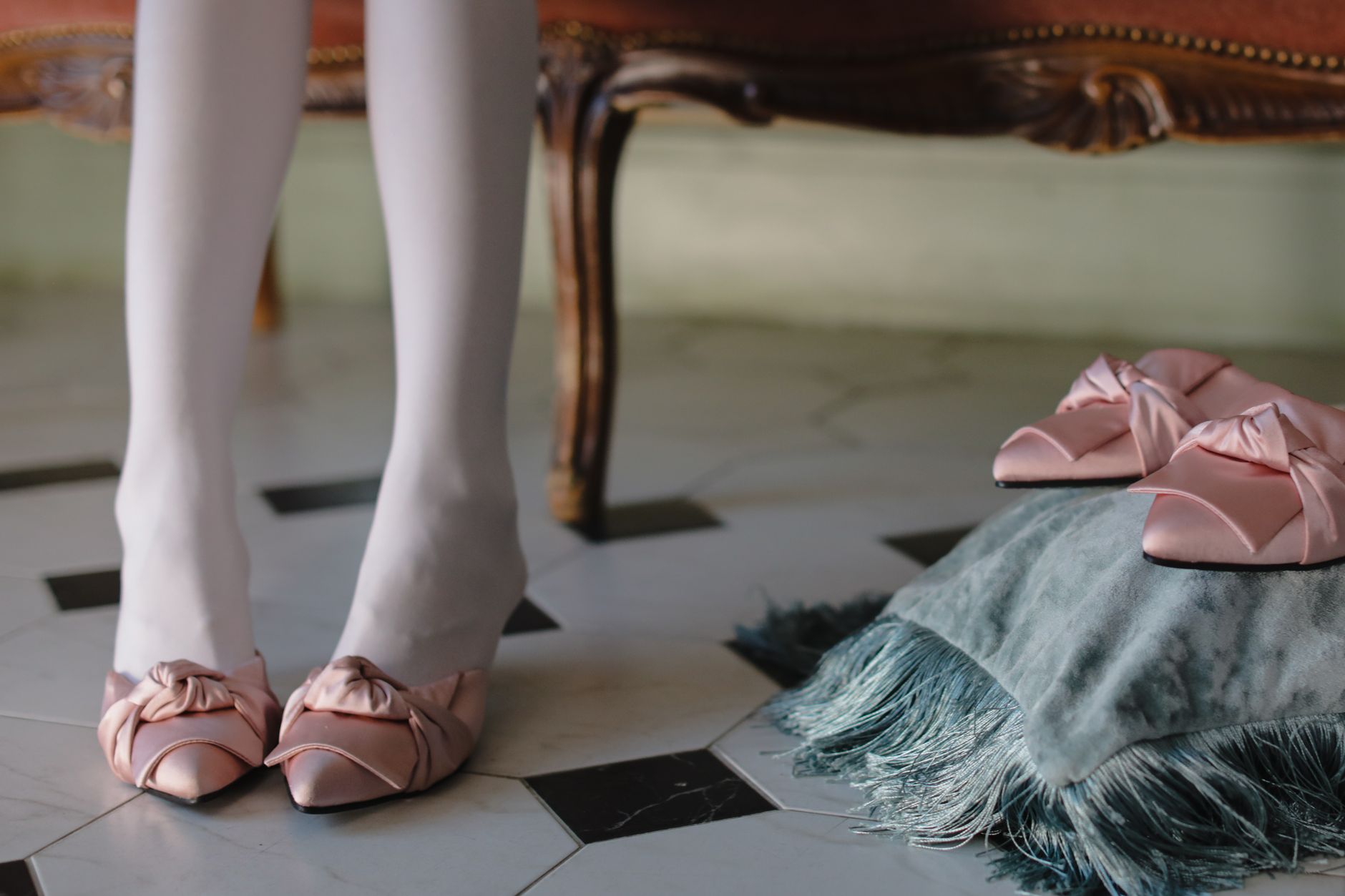
The introduction of mesh constructions—pioneered by Alaïa and adopted across the market—gave flats a new language. Suddenly, a flat shoe could be transparent, architectural, almost illicit in its reveal of skin. The material choice transformed flats from safe to subversive, proving that elevation was never the point. Tension was.

Collaborations Erased the Practical-vs-Fashion Binary
When heritage ballet brands like Repetto began collaborating with fashion houses, and when labels like Miu Miu and Chanel reinterpreted the silhouette each season, the old hierarchy dissolved. The collaborations didn't elevate flats to fashion status—they exposed that the distinction was always arbitrary. A well-designed flat commands attention not despite its function, but because design and function were never opposing forces.

The Flat Now Outranks the Heel in Social Currency
Street style, red carpets, boardrooms—the ballet flat now appears in contexts that once demanded heels, and it reads as more intentional, not less. The shift isn't about comfort winning over style. It's about a recalibration of what constitutes presence. The woman in perfect flats and tailored trousers now holds more visual authority than her predecessor in stilettos, because she's not performing. She's arrived.