The midi dress was supposed to be the answer. Knee-grazing, office-appropriate, the antidote to flash and excess. Then someone carved a ventilation shaft up the side and called it sophistication. What began as a modest alternative to the mini became a vehicle for something else entirely—controlled revelation, the kind that requires engineering.
The slit now reaches higher than the hemline ever dared go. It's a design sleight-of-hand: cover more to expose strategically. The result isn't modesty or immodesty but a third category—calculated ambiguity that requires full-length fabric and a flash of upper thigh to function. Fashion eating itself, as usual.
The Slit Migrated North of Functionality
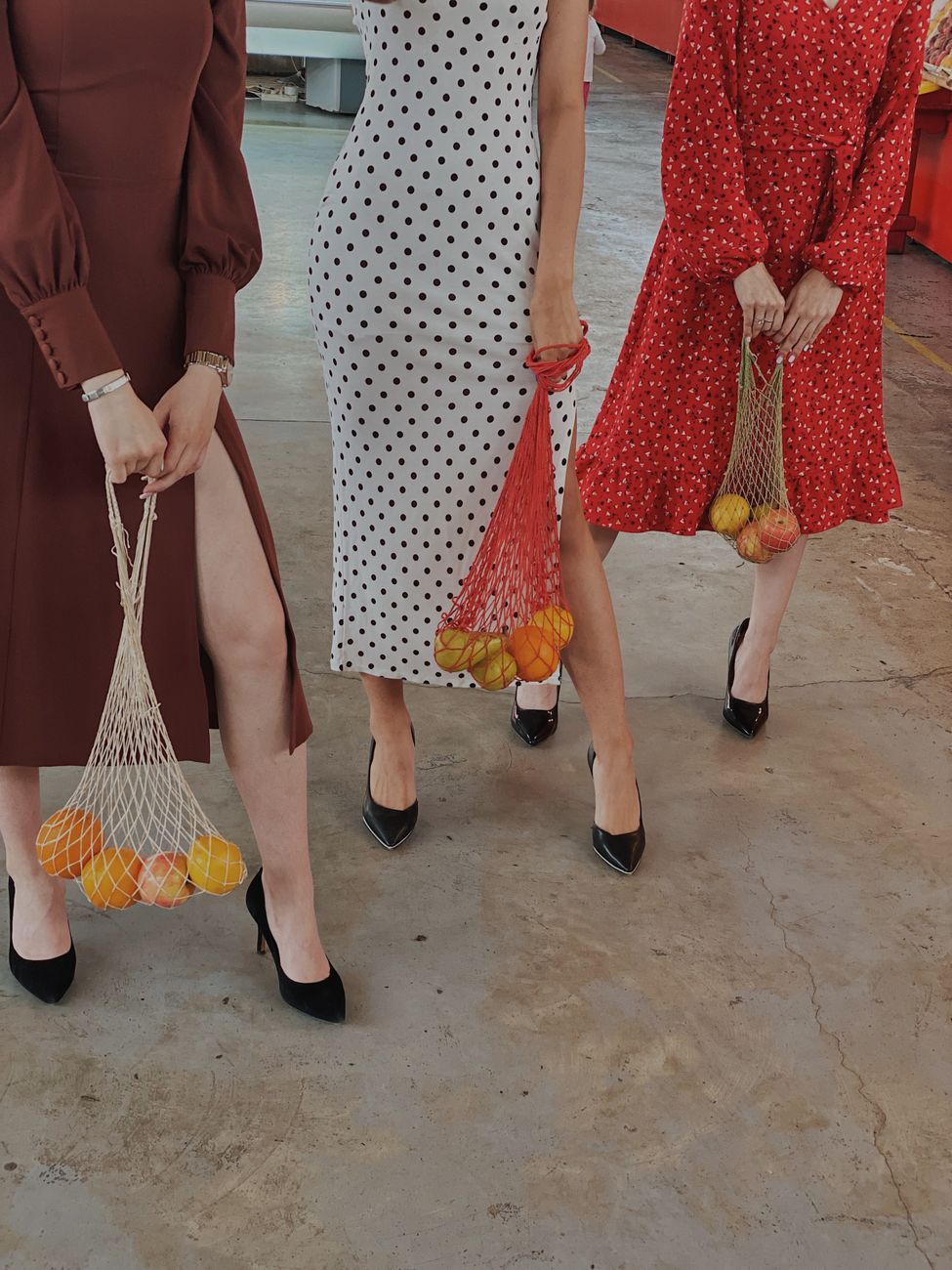
Slits were once about walking—a practical concession to movement in narrow skirts. Now they terminate somewhere near the hip bone, serving no purpose except the aesthetic one. The modern thigh-high opening isn't a vent; it's the entire concept. Designers position it as the focal point, the reason the dress exists, while the midi length provides plausible deniability about intent.
Red Carpet Logic Colonized Daywear
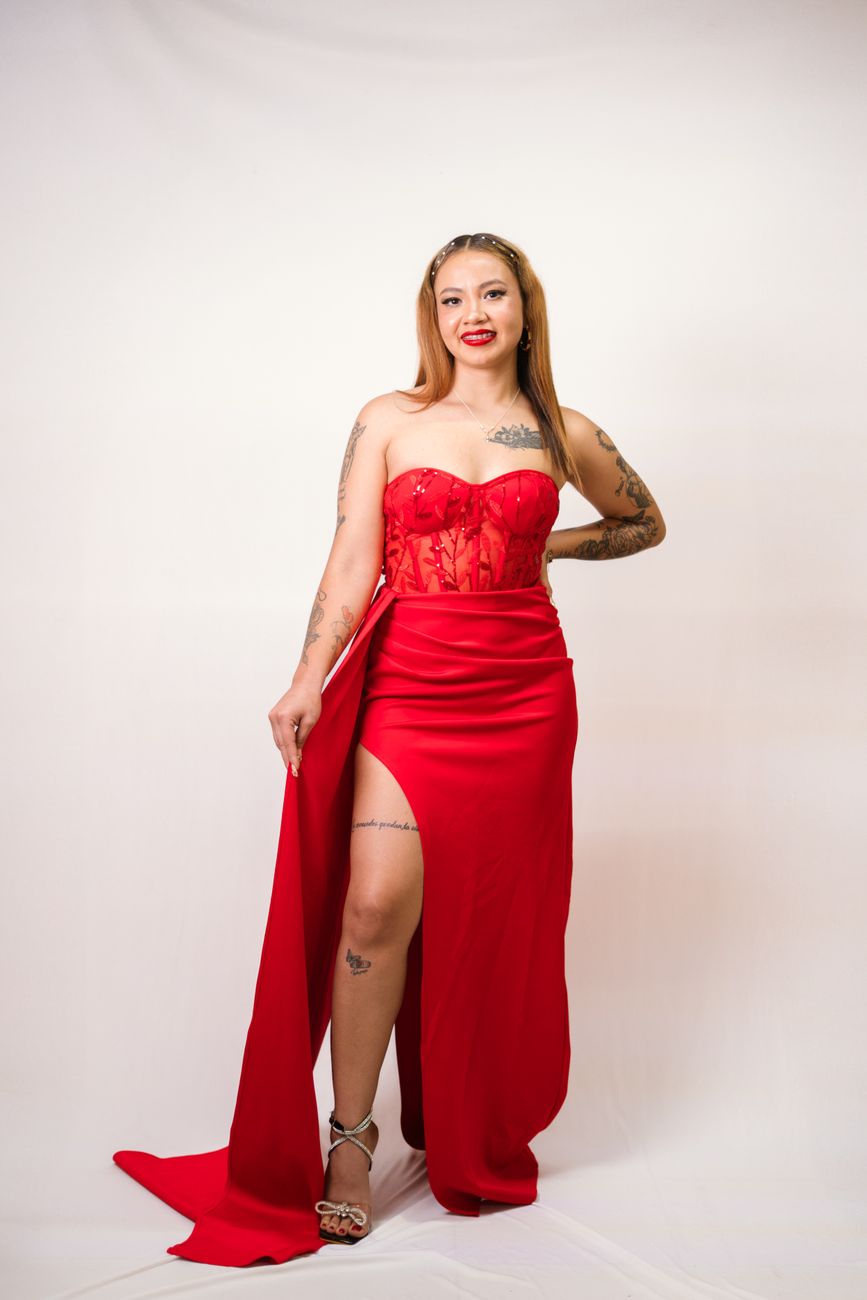
What Angelina Jolie made viral at the 2012 Oscars—that weaponized right leg—has trickled down with alarming literalness. The construction that made sense for a statuesque actress on a controlled stage now appears on lunch dresses, work events, casual Saturdays. The context collapsed, but the cut remained. We've normalized gala-level exposure as everyday vernacular, no ceremony required.
Modesty Became a Framing Device for Skin
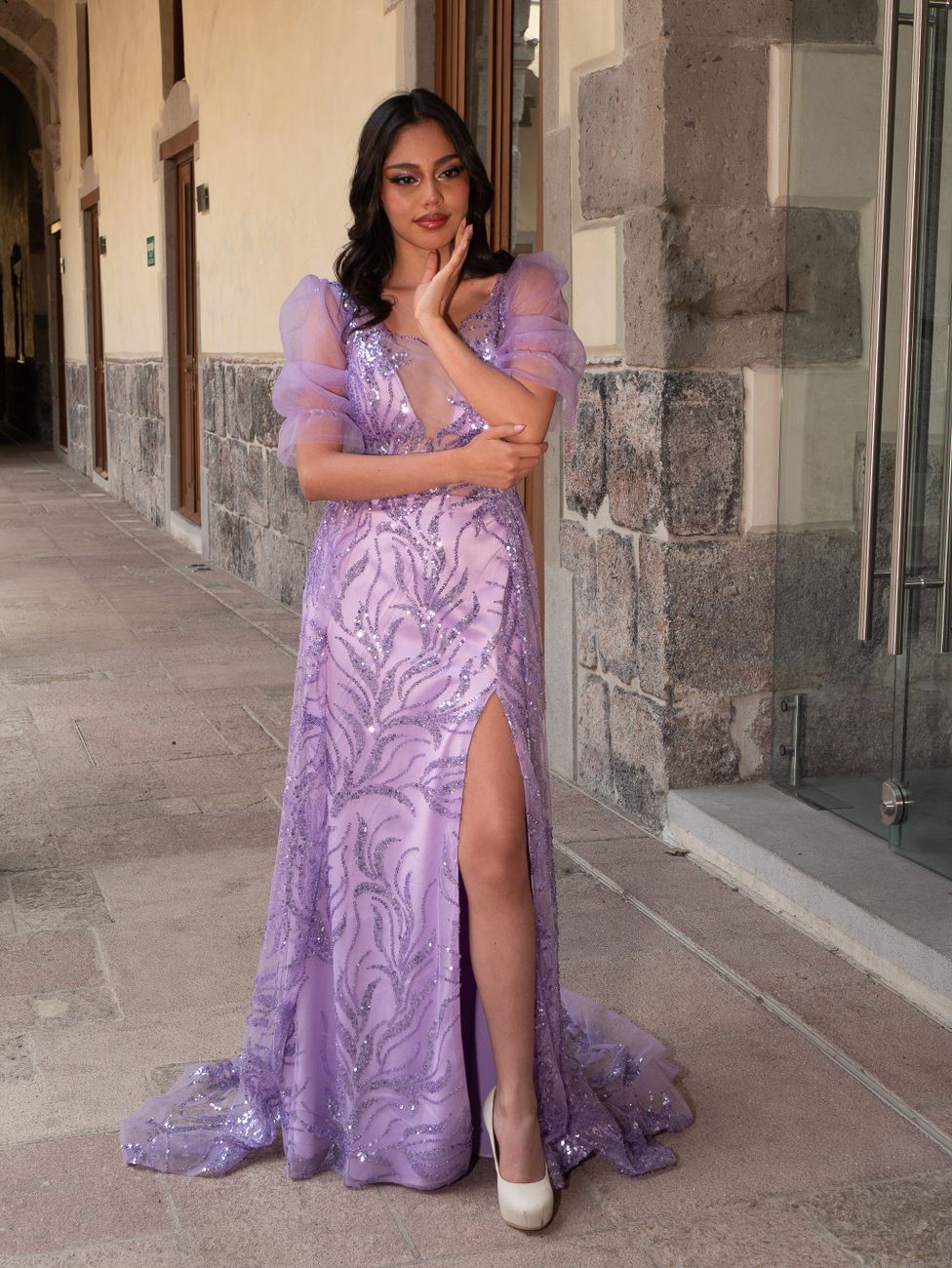
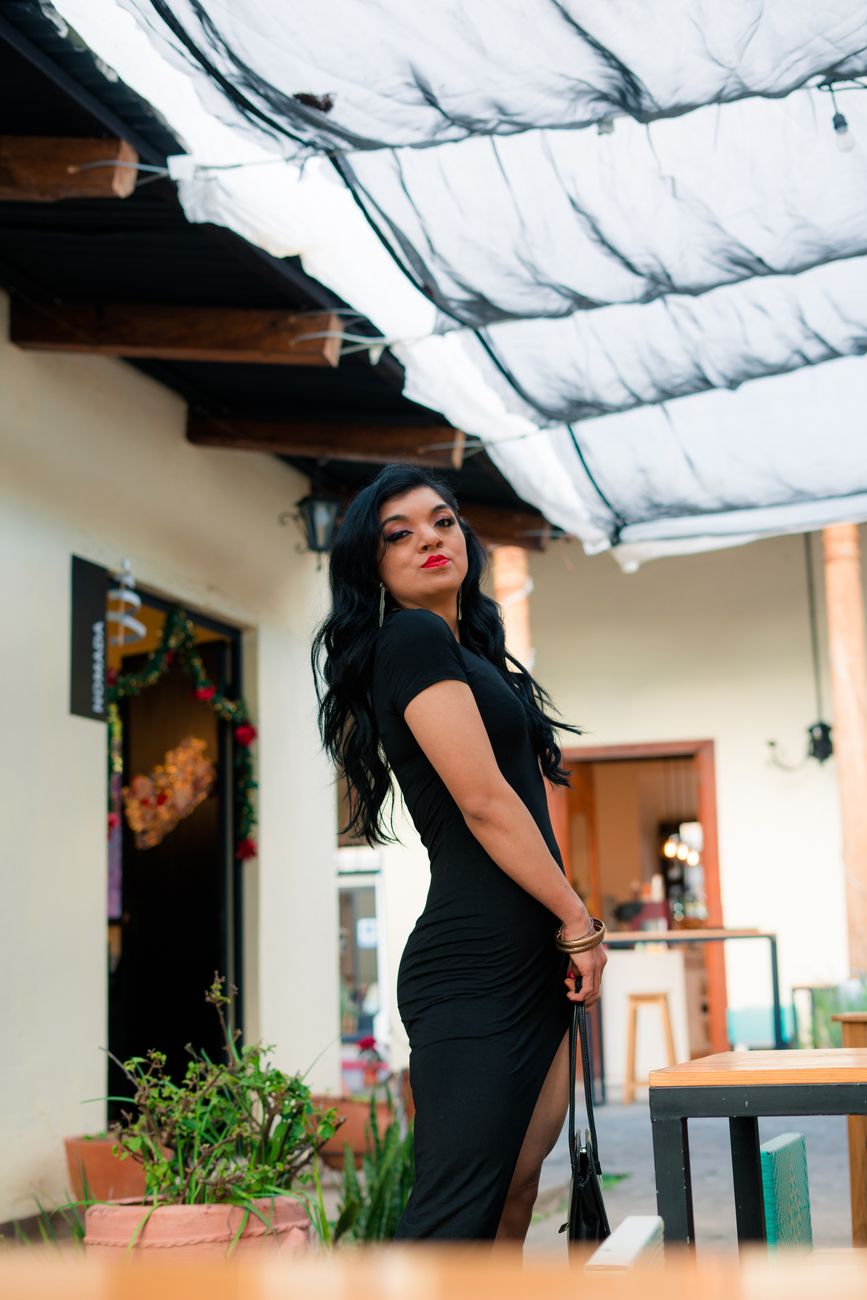
Pair the thigh-high slit with a turtleneck, long sleeves, a floor-length hem on the other side. The formula works because contrast creates permission—cover the arms and collarbone, reveal the leg. It's modesty as aesthetic strategy rather than actual coverage, a way to make exposure look considered instead of accidental. The conservatism elsewhere in the garment makes the slit read as editorial choice rather than excess.
The Male Gaze Got Rebranded as Empowerment
The discourse insists this is about agency—women choosing what to reveal, when, how much. And perhaps it is. But the slit's precise geometry, the way it requires a specific stance to activate, the Instagram angle that became standard: these suggest the choice was pre-made by the design itself. The garment dictates the pose. Empowerment and performance have become difficult to distinguish when the outfit only works one way.
Fast Fashion Made It Ubiquitous and Therefore Meaningless
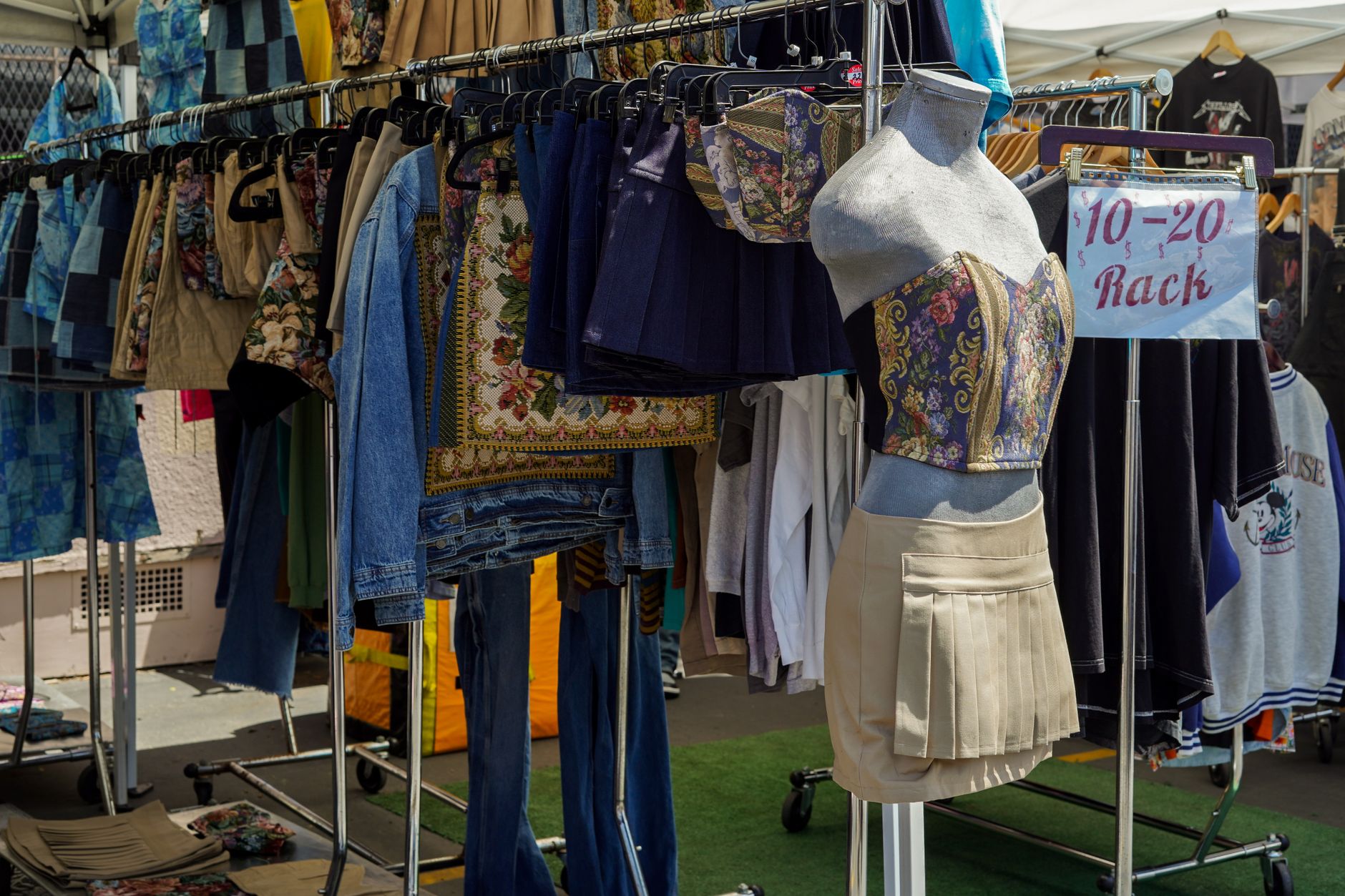
When Zara offers fourteen variations of the slit midi at $49.90, the provocation evaporates. What worked as red carpet transgression becomes spring's default silhouette, available in every color, stripped of context or consequence. Mass production dissolved whatever meaning the design once carried—now it's simply what dresses look like. The pornographic became the pedestrian through sheer repetition, which may be the most interesting outcome of all.