The capri pant—that mid-calf silhouette synonymous with 1950s Riviera ease and Audrey Hepburn insouciance—has returned to fashion's consciousness. Except it hasn't really returned at all. What's appearing on runways and filtering into retail is a fundamentally different garment wearing the same name, like a body snatcher in familiar clothing.
The original appeal was never about the length itself. It was about movement, about fabric skimming rather than clinging, about a proportion that suggested you'd just rolled your trousers up because the day demanded it. This 2025 iteration has arrived constricted, overthought, and dressed up in fabrications that actively resist the ease the silhouette requires. Seven observations on how fashion resurrected the capri without understanding what made it live in the first place.

The Stretch Fabric Betrayal
Today's capris are arriving in performance blends, ponte knits, and body-con fabrications that would have been unthinkable in the cut's original incarnation. The silhouette was born in lightweight cotton, linen, silk—fabrics with drape and air. What we're seeing now are versions that cling to every contour from hip to calf, transforming a breezy warm-weather staple into something that looks like activewear lost its way to the gym. The proportion only works when the fabric has enough body to hold a shape without gripping flesh.
The Ankle That Ate Everything
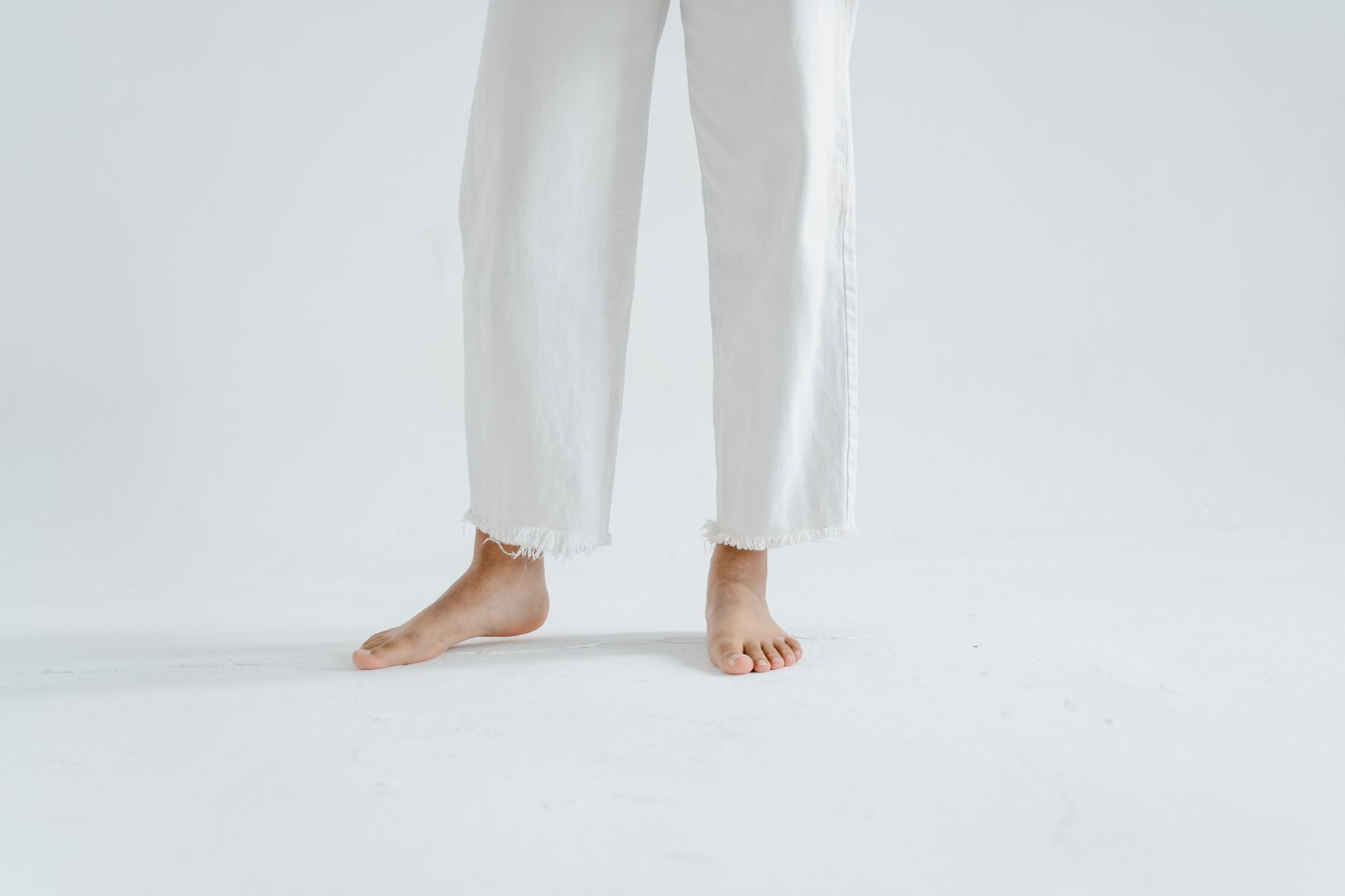
The capri's ideal landing spot—mid-calf, just below the widest part—has been abandoned for a no-man's-land that hovers uncertainly around the ankle bone. This isn't a capri anymore; it's a regular pant that shrank in the wash. The specific proportion mattered because it created a visual break that balanced the body. Drop it two inches and you've simply created an unflattering cropped trouser that makes legs look truncated rather than elongated. Designers seem to have forgotten that the calf has topography.

The Skinny Leg Misunderstanding
The 2025 capri has inherited the skinny jean's stranglehold aesthetic, arriving with leg openings so narrow they require advanced footwear planning. The original silhouette had room—not volume, but breath. A straight or slightly tapered leg that created clean lines without suction. This new compressed version defeats the entire premise: you can't project ease when the garment is literally restricting movement. It's the sartorial equivalent of smiling through clenched teeth.

The Rise Problem Nobody's Discussing
Current iterations are almost universally high-waisted, chasing a silhouette that flatters in theory but fights the capri's essential character. The original sat naturally at the waist or slightly below, creating an unbroken line that looked uncontrived. Hoist that same cropped hem up to rib-grazing heights and you've built in a self-consciousness the garment never possessed. High-rise works for many cuts, but it transforms the capri from vacation souvenir into optical puzzle—all torso, no leg, awkward transition.

The Shoe Incompatibility Crisis
The capri was designed for flats—ballet pumps, sandals, espadrilles—footwear that extended its casual sensibility. Fashion's current version demands heels to avoid looking unfinished, which immediately contradicts the relaxed premise. We're watching women teeter in stilettos paired with cropped pants, trying to force elegance from a combination that wants to be effortless. When a garment requires three inches of heel height to achieve basic proportion, it's not the same garment anymore. It's an imposter wearing a vintage name tag.

The Coastal Charm Deficit
The capri belongs to a specific context: warm stone, salt air, afternoon aperitivos, the assumption of leisure. Its 2025 comeback is happening in urban contexts with urban fabrications, styled for commutes and coffee runs rather than coastal wandering. There's no inherent reason a garment can't transcend its origins, but the capri's appeal was always atmospheric—it brought vacation energy to everyday dressing. Remake it in technical fabrics for metropolitan efficiency and you've extracted the soul while keeping the shell.
The Styling Overcompensation
Because fashion recognizes these new capris don't quite work, they're being over-styled into submission—paired with structured blazers, architectural jewelry, statement bags, everything designed to distract from the awkward proportion happening below the knee. The original needed only a simple top and barely-there sandals because the cut itself was the statement. When a garment requires this much supporting cast to justify its existence, it's worth questioning whether it should exist at all. Confidence can't be accessorized into a fundamentally uncertain silhouette.