The cardigan has been quietly staging a revolution, and it's happening from the ground up. Walk into any showroom worth its square footage right now and you'll notice something: cardigans closing only at the bottom two or three buttons, leaving the chest and collarbones exposed in a studied state of undress that feels more deliberate than any plunging neckline.
This isn't about forgetting to fasten your sweater. It's a complete inversion of how knitwear has functioned for the past century—turning the cardigan into an architectural exercise in negative space, where what's left open matters more than what's closed. The Row did it with their cashmere pieces that became instant cult objects. Khaite made it a signature. Now everyone from Toteme to emerging designers is rethinking the button sequence entirely.
The Sternum Becomes the New Waist
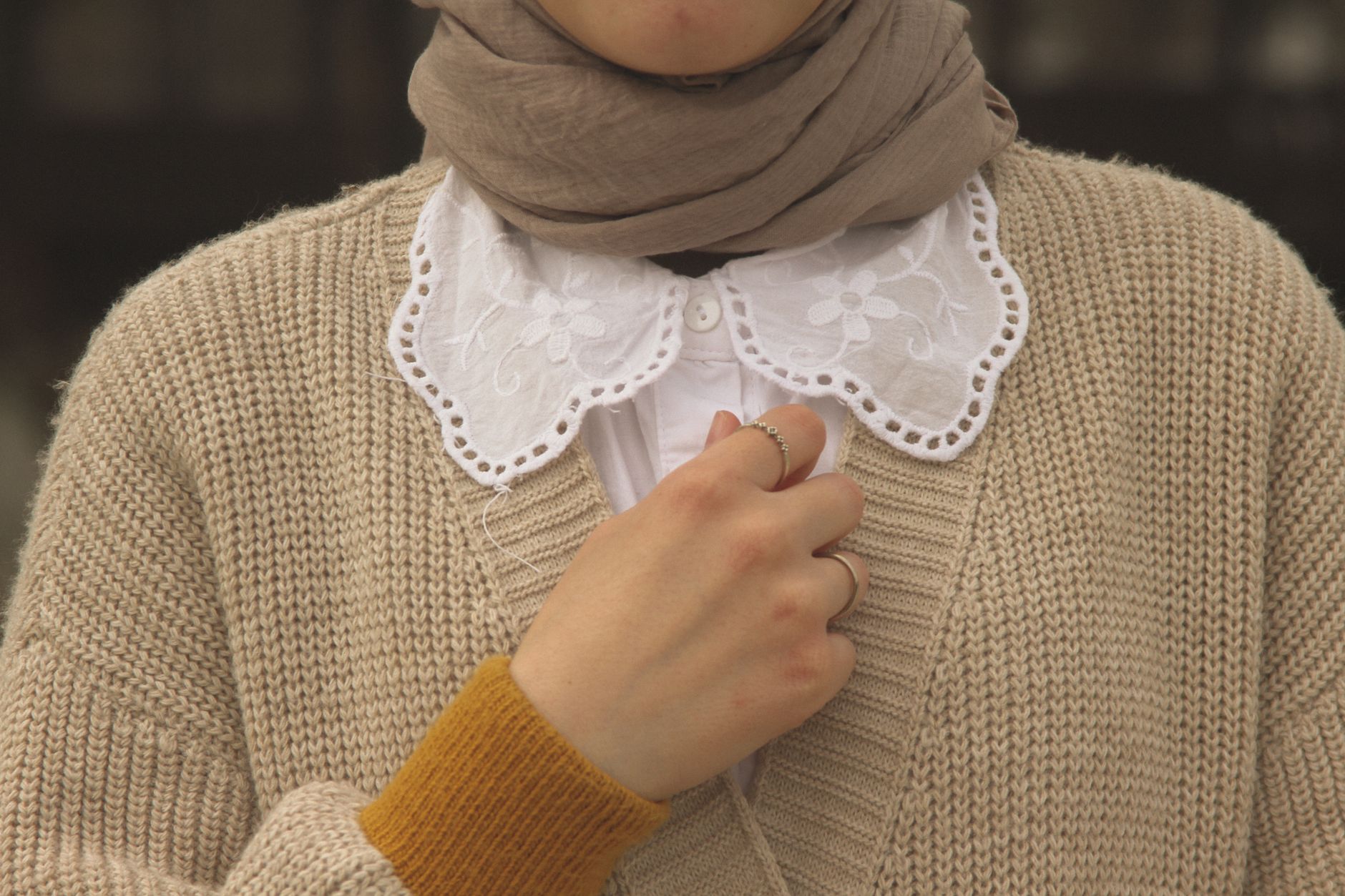
Designers are treating the cardigan like a structural problem: how do you create shape without traditional closure? By fastening only the lower buttons, knitwear suddenly gains the visual weight and definition of a corset or tailored jacket—except softer, more ambiguous. The exposed upper body reads as confident rather than casual, a deliberate rejection of buttoned-up propriety. It's geometry that flatters by framing rather than covering, and it requires none of the effort of actually sexy dressing.

Layering Just Got an Algorithm Update
The bottom-buttoned cardigan solves the eternal layering question: how do you add dimension without bulk? With the top open, you can actually see what you're wearing underneath—a tank, a bralette, a crisp white shirt—while the closed bottom creates structure and prevents the whole thing from reading as shapeless. It's become the new blazer in terms of instant polish, except it works over everything from slip dresses to tailored trousers. Smart dressers are using it as the anchoring piece that makes every other layer legible.
The Undone Codes Have Been Rewritten
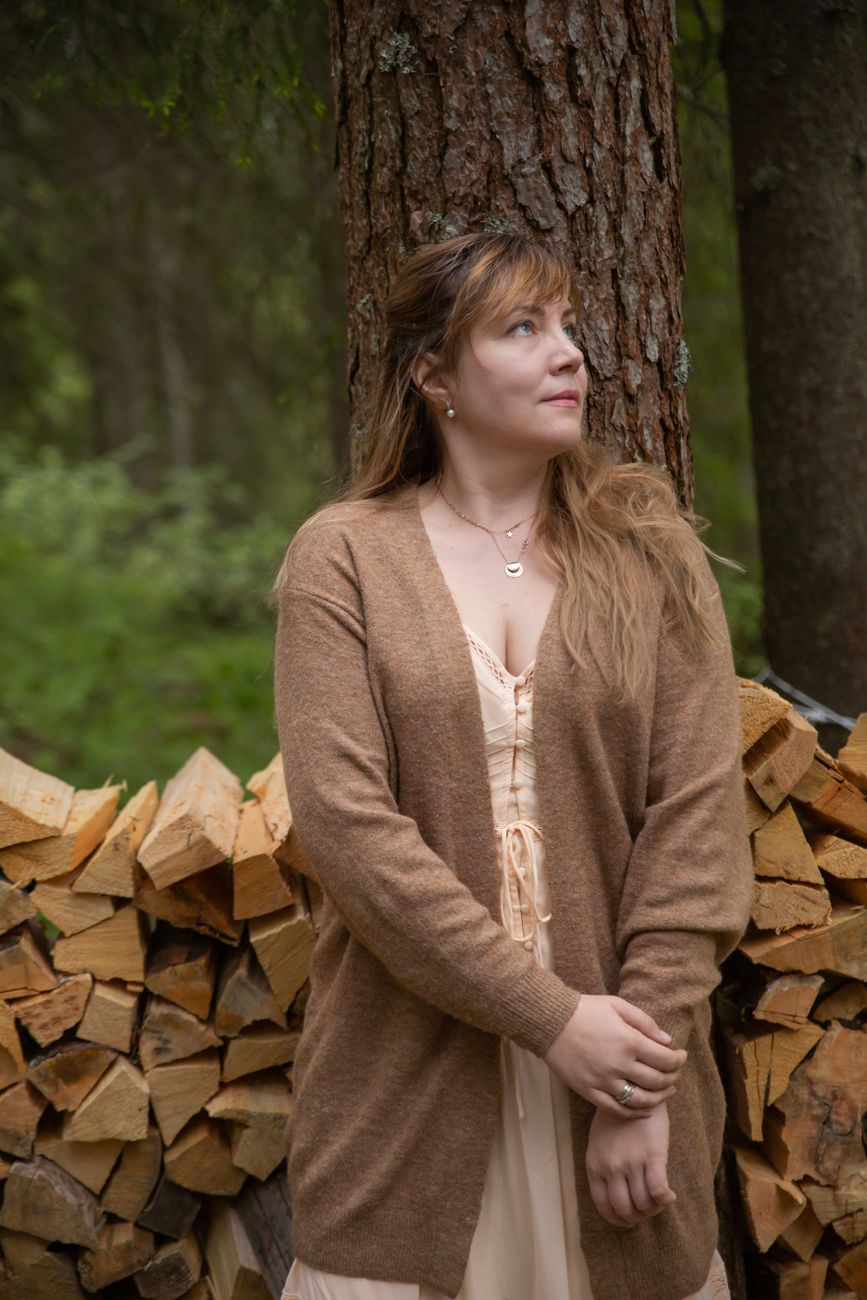
There's undone, and then there's this: a specific kind of calculated looseness that looks nothing like you forgot to get dressed. The bottom-only closure creates a V-shape that's inherently more sophisticated than a fully open cardigan, which can read as sloppy or overly casual. This version has intent built into its construction. It's the difference between looking like you're mid-change and looking like you understand exactly what proportion and negative space can do for a silhouette.

Knitwear Stopped Apologizing for Taking Up Space
For decades, cardigans played a supporting role—the practical layer, the modest cover-up, the thing you wore because the office was cold. This new approach treats knitwear as the protagonist. By leaving the top open and closing the bottom, designers are making cardigans more assertive, almost aggressive in how they claim visual territory. Oversized silhouettes work particularly well with this styling because the open top prevents them from swallowing the wearer whole. It's knitwear with a point of view, which is a sentence that shouldn't make sense but absolutely does right now.
The New Erogenous Zone Is Architectural
What's interesting isn't just that skin is showing—it's which skin, and how it's framed. The exposed sternum and collarbones, bracketed by the cardigan's open placket, create a focal point that's more about structure than seduction. It's intellectual provocation: the body as a design element within the garment's negative space. This explains why the trend works across demographics and contexts, from boardrooms to dinner reservations. The sensuality is implied through absence rather than exposure, which is infinitely more sustainable than the alternative.