For decades, closures sat where you'd expect them: center front, predictable, invisible by design. Now zippers snake along shoulders, buttons cluster at hips, and the functional mechanics of getting dressed have become the focal point. This isn't decoration—it's disruption.
From Balenciaga's exaggerated side-entry coats to COS's slashed shirt openings, the migration of closures off the vertical axis reflects a broader design philosophy. When the fastening becomes the feature, the body's relationship to the garment shifts entirely. Here's how asymmetric closures are rewriting construction codes.
Side zippers create new entry rituals
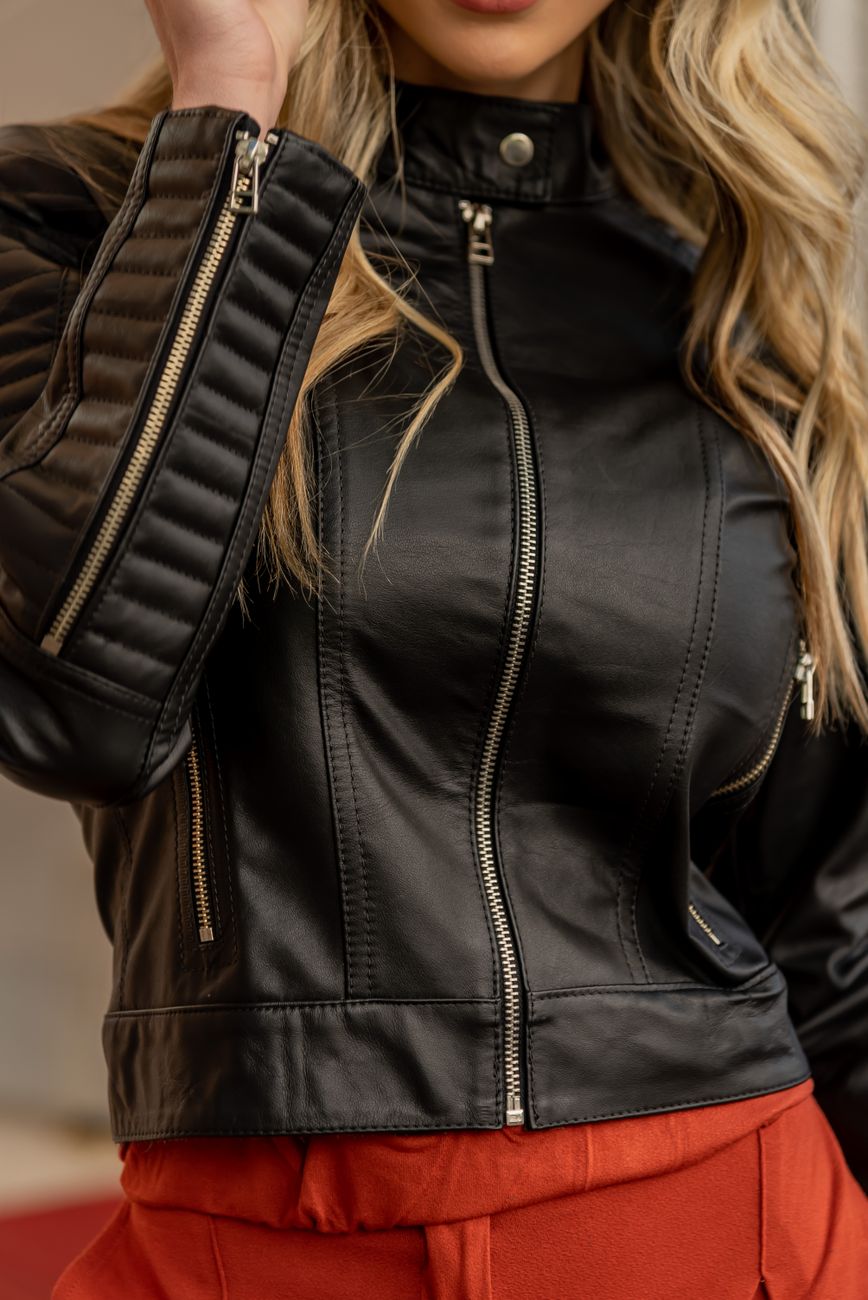
Zippers positioned along the ribcage or underarm force a different choreography of dressing—one that feels more deliberate, almost ceremonial. Marine Serre and Coperni have built entire collections around this recalibrated gesture, transforming the mundane act of opening a jacket into something that requires intention. The side closure doesn't just look different; it makes you move differently, which is exactly the point.
Diagonal button tracks break symmetry
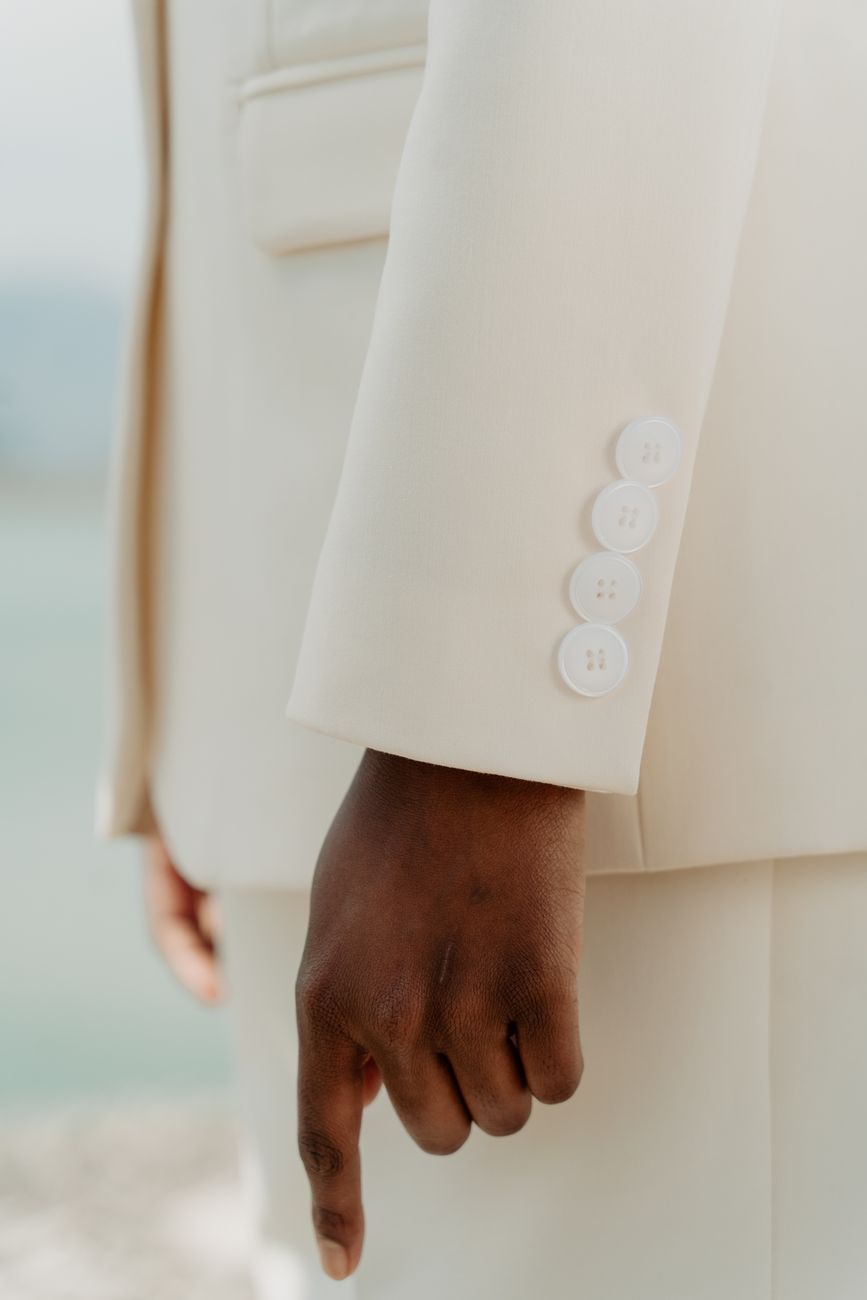
Buttons marching from shoulder to opposite hip destabilize the expected balance of tailoring, creating visual tension that traditional plackets can't deliver. Designers like JW Anderson and Jacquemus use this diagonal trajectory to suggest motion even in stillness, while retailers from Zara to & Other Stories have adapted the technique into wearable iterations. The slant implies dynamism, as if the garment is already in conversation with the body's natural asymmetry.

Back closures reclaim forgotten real estate
Moving closures to the spine transforms what was once hidden into prime visual territory, demanding that garments be considered from every angle. The Row's back-fastening shirts and Lemaire's rear-zip dresses treat the posterior plane as equally important as the front, a shift that feels particularly resonant in an era of constant documentation. If someone's photographing you from behind, shouldn't that view be just as considered?

Exposed hardware becomes sculptural detail
When closures migrate off-center, their hardware—chunky pulls, industrial teeth, contrast stitching—becomes impossible to ignore, transitioning from utility to ornament. Prada's exaggerated zipper pulls and Bottega Veneta's thick cord fastenings treat functional elements as jewelry, while the visibility itself signals a post-minimalist transparency. Nothing's hidden anymore; the construction *is* the decoration, and there's a raw honesty in letting mechanisms show.

Asymmetric openings challenge fit conventions
Off-center closures reject the tyranny of bilateral symmetry, allowing for wrapping, layering, and draping that wouldn't work with traditional fastenings. Rick Owens has long championed this approach, but now it's infiltrated accessible brands, showing up in wrap coats that close at the side and shirts that fasten along one shoulder. The asymmetry isn't arbitrary—it creates volume, movement, and negative space that centered closures would collapse. It's architecture, not just fastening.