The cold plunge had a good run. For approximately 18 months, it served as the perfect Veblen good for the optimization-obsessed: uncomfortable, photogenic, and expensive enough to separate the committed from the curious. But conspicuous suffering has its limits. The new wellness elite have moved indoors, into dimly lit IV lounges where hydration costs $250 and comes with a side of phosphatidylcholine.
This isn't about efficacy. It never was. Wellness trends function as class markers, each iteration requiring more capital and less accessibility than the last. The shift from plunges to drips reveals something convenient: when everyone can fill a bathtub with ice, you need a new barrier to entry. Preferably one that requires a medical professional and a velvet rope.
The democratization problem: when Costco sells your status symbol
Cold plunges collapsed under their own accessibility. When you can buy a decent plunge tub for under $500, or simply use your bathtub and a bag of ice from 7-Eleven, the exclusivity factor evaporates. IV therapy solves this brilliantly: it requires medical supervision, specialized equipment, and the kind of regulatory framework that keeps DIY enthusiasts at bay. You cannot biohack your way around a nurse with a license. The price floor stays high, the Instagram backdrop stays exclusive, and the class signal stays loud.

Suffering is out, medicalization is in
The Huberman-era worship of deliberate discomfort has reached its cultural peak. Cold exposure, breathwork, extended fasting—these required a performance of deprivation that's losing its appeal among people who can simply purchase their way to optimization. IV drips offer something better: clinical legitimacy without the shivering. You're not indulging, you're receiving Myers' cocktails and NAD+ infusions prescribed by someone in scrubs. It's still conspicuous consumption, just dressed in the language of medical necessity rather than masochistic virtue.
The lounge-ification of everything expensive
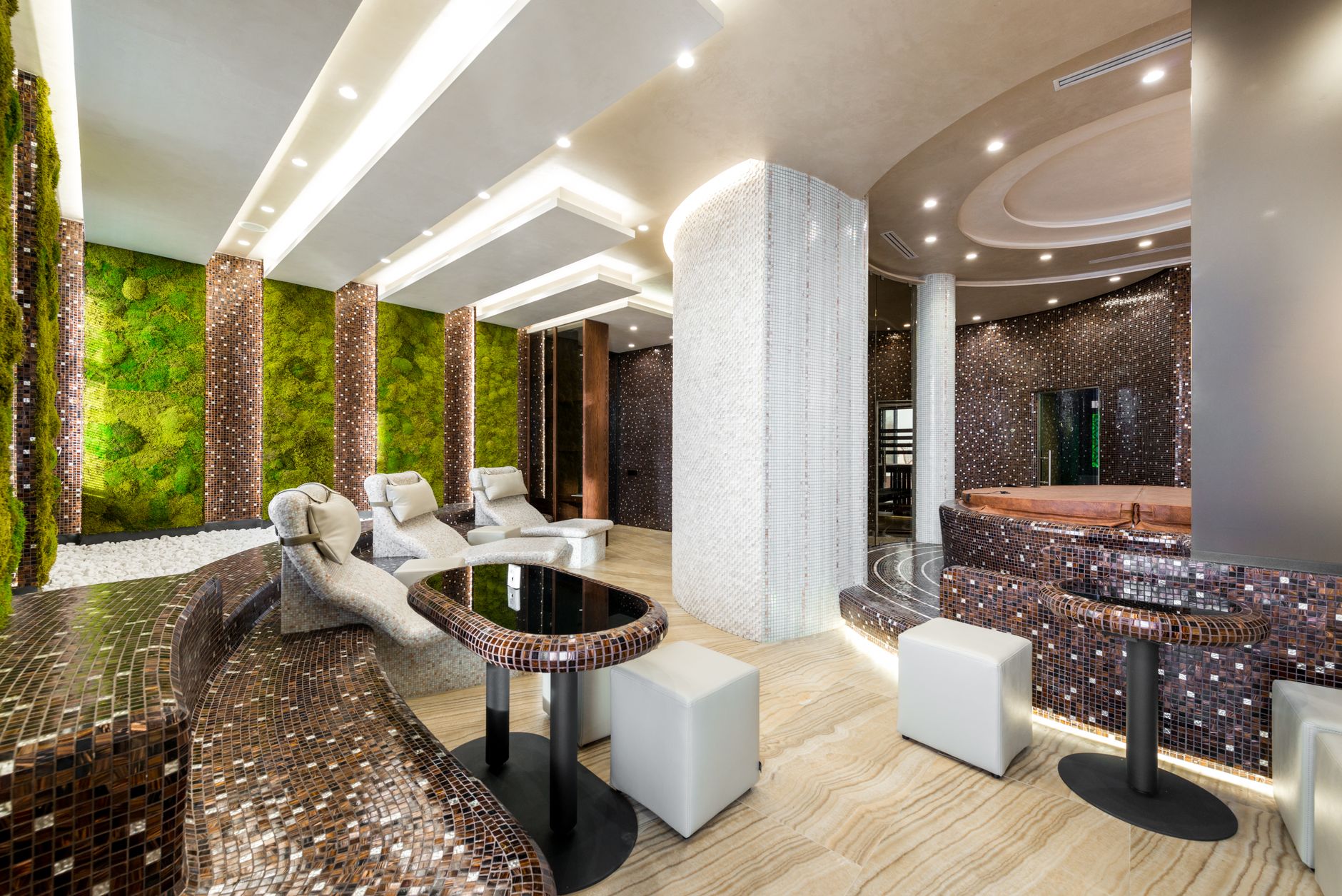
IV therapy brands have borrowed the entire aesthetic playbook from premium airport lounges: muted tones, individual pods, complimentary bone broth, and staff who speak in hushed tones about bioavailability. Restore Hyper Wellness and The IV Doc aren't selling hydration; they're selling a third space for people whose gym already has a cold plunge. The environment does the work of justifying the cost. You're not paying $300 for saline and vitamins. You're paying for 45 minutes in a place that feels like a Soho House satellite clinic, where everyone looks recently returning from Erewhon.

Hangover cures for people who don't admit to hangovers
IV lounges launched on the promise of hangover recovery but evolved into something more sustainable: preventative optimization for people who describe themselves as high-performing. The framing shifted from fixing last night's mistakes to supporting tomorrow's output. Now it's about travel recovery, immune support, athletic performance, cellular repair—anything except the obvious fact that you're buying medical-grade Pedialyte because you had seven martinis at Zero Bond. The clientele hasn't changed. Just the story they tell themselves about why they're there.
What comes after IV drips: the inevitable escalation
Wellness trends follow a predictable trajectory: niche adoption by biohackers, explosion into Instagram visibility, mass-market accessibility, abandonment by early adopters, repeat. IV lounges are already approaching the middle of this curve. The vanguard has moved on to hyperbaric oxygen chambers, peptide therapy, and placeholder treatments that haven't been named yet but will require even more capital and even less evidence. The point was never the outcome. The point is having access to the thing before it shows up at Equinox, then moving on the moment it does.