Calorie counting is having its Nokia moment. While diet culture clings to its calculators, a different conversation is happening in dermatologist offices, venture capital firms, and executive coaching sessions. The question isn't *how much* you're eating anymore—it's *when* you're eating it, working out, scheduling your pitch meetings, and yes, having difficult conversations.
Hormonal literacy is the quiet revolution reshaping how informed women approach everything from their workout splits to their negotiation strategies. This isn't about blaming your period. It's about working with your endocrine system instead of against it—and the women doing it are seeing results that calorie math never delivered.

Cycle syncing workouts are replacing one-size-fits-all fitness
The women who used to force themselves through high-intensity training every day are now periodizing their exercise around their menstrual cycle—and finally seeing the muscle definition and energy levels they wanted. Follicular phase for heavy lifts and HIIT, luteal phase for pilates and walks. Personal trainers who understand this are booked solid, because programming that respects progesterone isn't just smarter—it actually works. Your CrossFit coach who tells you to push through fatigue on day 24 of your cycle doesn't understand female physiology, and it shows.

Major meetings get scheduled around ovulation, not convenience
Senior women are quietly blocking out their calendars around their hormonal peaks. Ovulation week—when estrogen and testosterone surge—is for salary negotiations, new business pitches, and difficult conversations with investors. Week three, when progesterone makes you more inward-focused, is for strategic planning and detail work. It sounds absurd until you try it and realize you've been swimming against a hormonal current for your entire career. The executives doing this aren't advertising it, but they're also not struggling through crucial presentations while fighting their biology anymore.
Seed cycling has moved from wellness blogs to endocrinologist offices
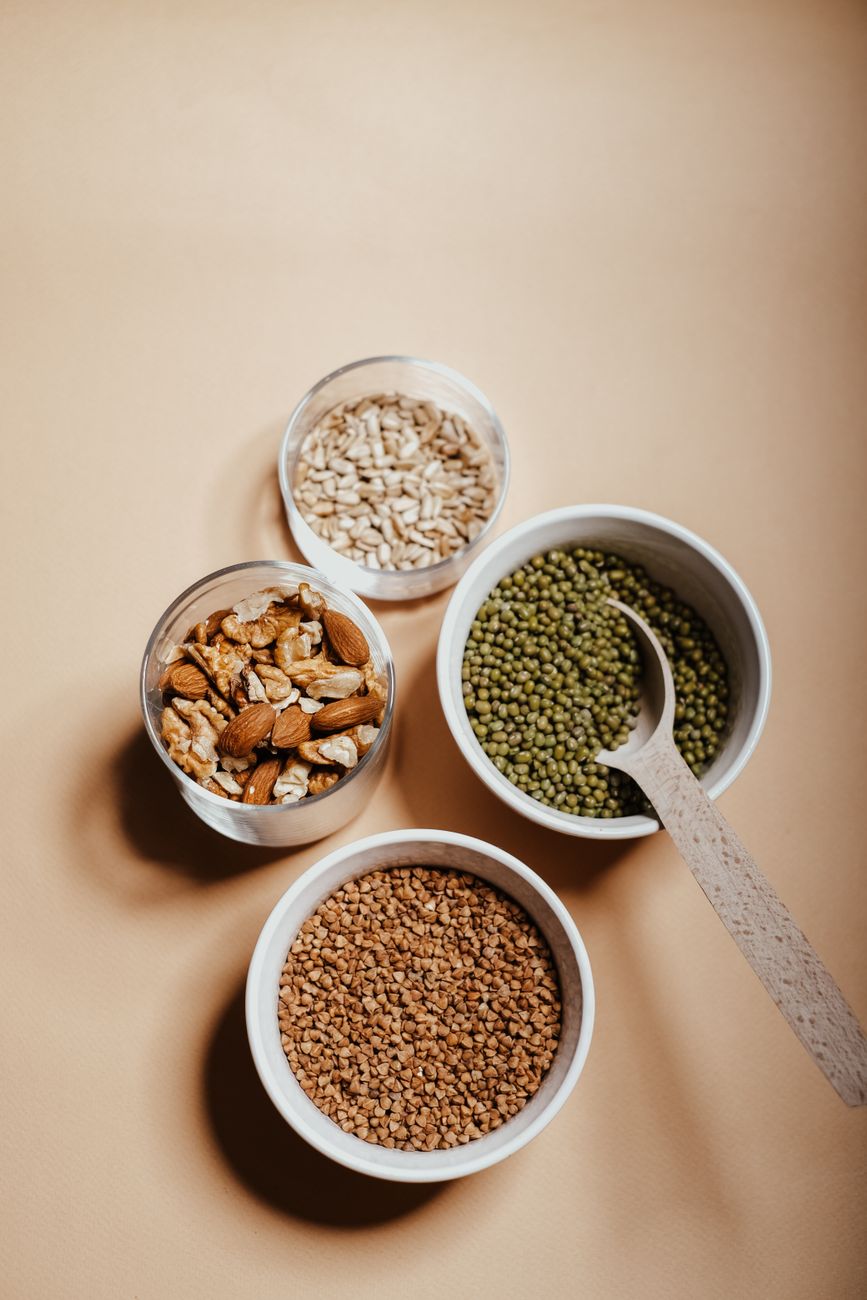
Adding specific seeds to your diet during different phases of your cycle was fringe until recently—now reproductive endocrinologists are acknowledging what the wellness world already knew. Flax and pumpkin seeds in your follicular phase, sesame and sunflower in your luteal. The mechanism isn't mystical: lignans and specific fatty acids that support estrogen metabolism and progesterone production. Women dealing with hormonal acne, irregular periods, and PMS are seeing changes that surprised their doctors, mostly because Western medicine has historically treated hormonal issues with a prescription pad instead of addressing root causes.

Dating apps for your fertile window are making conception less clinical
The women trying to conceive aren't just tracking ovulation anymore—they're using that data to preserve intimacy instead of turning reproduction into a science experiment. Apps now suggest your three-day fertile window without the sterile reminders that used to kill the mood. Knowing when you're actually fertile means less pressure, fewer unnecessary attempts, and paradoxically, more success. Fertility clinics are finally acknowledging that stress impacts conception, and treating sex like a scheduled medical procedure creates exactly the cortisol spike you don't need when you're trying to get pregnant.

Menstrual phase eating is replacing arbitrary meal plans
Nutritionists who understand the menstrual cycle are adjusting macros and meal timing based on hormonal phases, not arbitrary calorie targets. Follicular phase calls for lighter meals with complex carbs to support rising estrogen; luteal phase needs more protein and healthy fats as progesterone increases and metabolism rises. The women eating this way report stable energy, fewer cravings, and an end to the restrict-binge cycle that generic meal plans create. Your metabolism isn't static, so pretending it needs the same input every single day is either ignorant or dishonest, and probably both.
- Cycle syncing workouts are replacing one-size-fits-all fitness
- Major meetings get scheduled around ovulation, not convenience
- Seed cycling has moved from wellness blogs to endocrinologist offices
- Dating apps for your fertile window are making conception less clinical
- Menstrual phase eating is replacing arbitrary meal plans