The fitness tracker had a good run. For a decade, wrist-worn devices promised to gamify our health, counting steps and sleep cycles with the enthusiasm of a personal trainer who never takes a day off. Then something shifted. The optimization-obsessed noticed their devices were tracking outcomes, not inputs—measuring the aftermath rather than the cause.
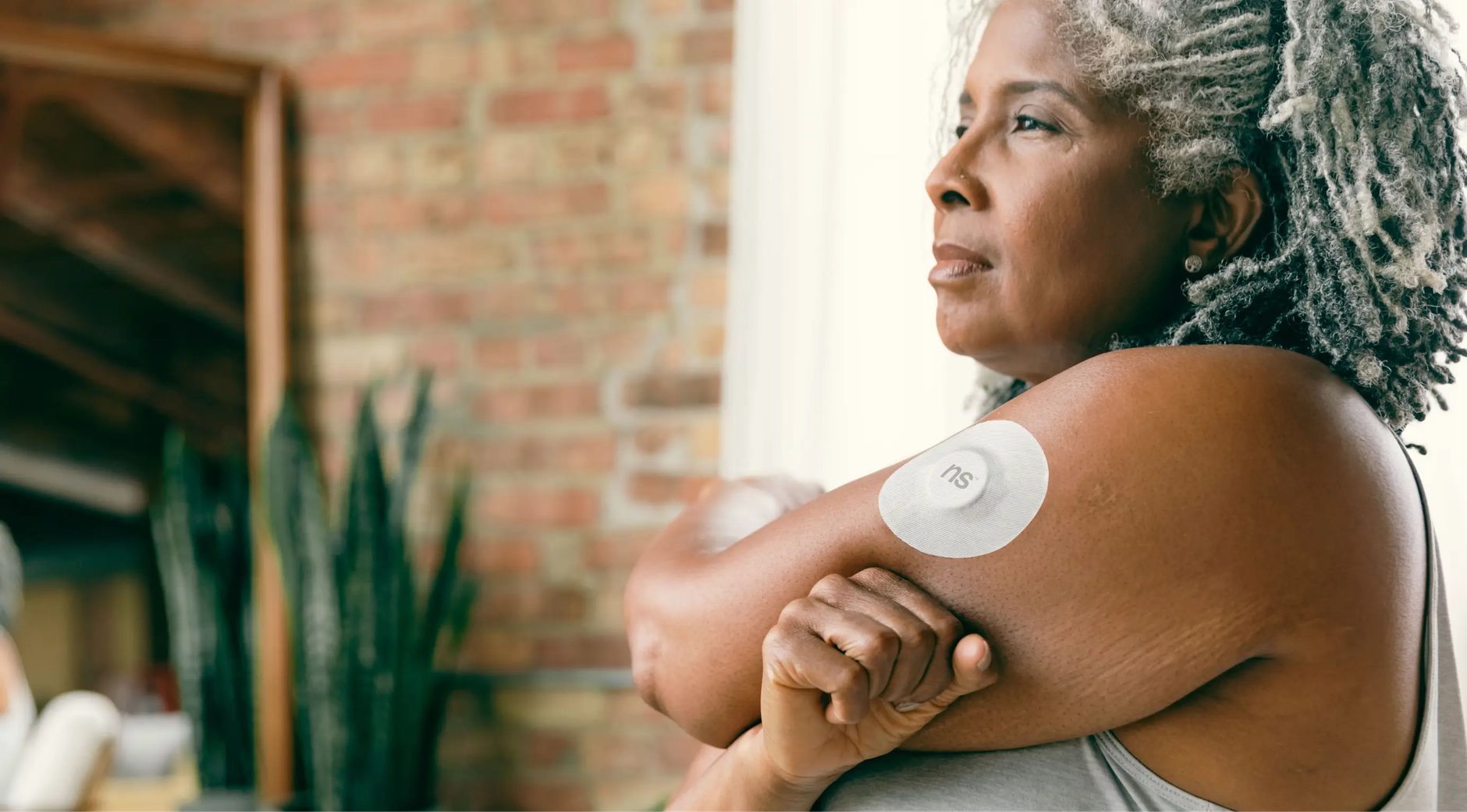
Enter continuous glucose monitors. Originally medical devices for diabetics, CGMs have been quietly colonized by biohackers, longevity enthusiasts, and anyone who's ever Googled "insulin resistance." Suddenly, the arm-mounted sensor disc became more covetable than any smartwatch. Tracking your glucose response to a croissant isn't just wellness theater—it's the new language of bodily fluency, spoken by those who've moved beyond pedestrian metrics into the realm of real-time metabolic intelligence.
1. Medical devices went luxury
CGMs crossed over from pharmacy to prestige faster than retinol. What began as diabetes management became aspirational when non-diabetic venture capitalists started wearing them to optimize their oatmeal choices. Companies like Levels and Nutrisense repackaged prescription technology as premium self-knowledge, complete with subscription pricing that makes Equinox look affordable. The sensor on your arm isn't medical necessity—it's a badge that says you're serious about longevity in ways that step counting never could.

2. Glucose became the new calorie
Calorie counting feels quaint now, like weighing yourself on a mechanical scale. The metabolically literate have graduated to glucose responses—the body's real-time feedback system that actually explains why you crash after lunch. A blood sugar spike tells a more sophisticated story than any calorie label, revealing how your specific biology responds to that specific sourdough. It's personalized nutrition that makes MyFitnessPal look like a flip phone.

3. Invisible data became visible status
The CGM sensor is deliberately visible—a small disc on the upper arm that broadcasts your commitment to self-surveillance. Unlike a hidden Fitbit, it invites questions and signals membership in the metabolic awareness club. Wearing one says you're not just exercising; you're treating your body like a science experiment, collecting data that most people don't even know exists. It's the wellness equivalent of carrying a Birkin: functionally unnecessary, semiotically essential.
4. Biohacking went mainstream
What was once the domain of Silicon Valley extremists wearing blue-light-blocking glasses at dinner has trickled down to yoga instructors and corporate consultants. CGMs normalized the idea that we should all be citizen scientists, running n-of-1 experiments on our own bodies. The biohacking ethos—track everything, optimize everything, trust nothing—has become standard operating procedure for anyone who's serious about not just living longer, but performing better right now.
5. Sleep lost, metabolic health won
Sleep tracking had its moment, but it became unsatisfying once everyone realized they already knew they weren't sleeping enough. Glucose monitoring offers something more actionable: immediate cause and effect. Eat white rice, watch your levels spike. Take a walk after dinner, see them stabilize. The feedback loop is tight enough to actually change behavior, unlike vague sleep scores that mostly generated anxiety without solutions.

6. Prevention became performance
CGMs reframed metabolic health from disease prevention (boring, distant, theoretical) to daily performance optimization (immediate, measurable, competitive). You're not avoiding diabetes in 30 years—you're maximizing your afternoon focus and eliminating the 3 p.m. slump today. This repositioning made glucose monitoring relevant to people who'd never considered themselves at-risk, turning a medical intervention into a productivity hack.

7. The data got social
Glucose tracking birthed a new form of dietary exhibitionism. The wellness-forward now discuss their glucose responses the way previous generations talked about their Myers-Briggs types—as a framework for understanding why they are the way they are. Screenshots of glucose curves populate group chats. Dinner party conversations pivot to who spiked from the pasta and who remained mysteriously stable. Your metabolic data became a personality trait.

8. Fitbit couldn't compete with biochemistry
Step counters feel decorative once you've seen your glucose response in real time. Fitbit bet on motivation through gamification—badges, streaks, competitions—while CGMs offered something more compelling: genuine insight into your body's internal workings. Ten thousand steps is an arbitrary target; your glucose curve is an actual biological signature. In the attention economy of wellness devices, biochemistry beat behavioral psychology. The wrist lost to the arm, and vanity metrics lost to actionable intelligence.