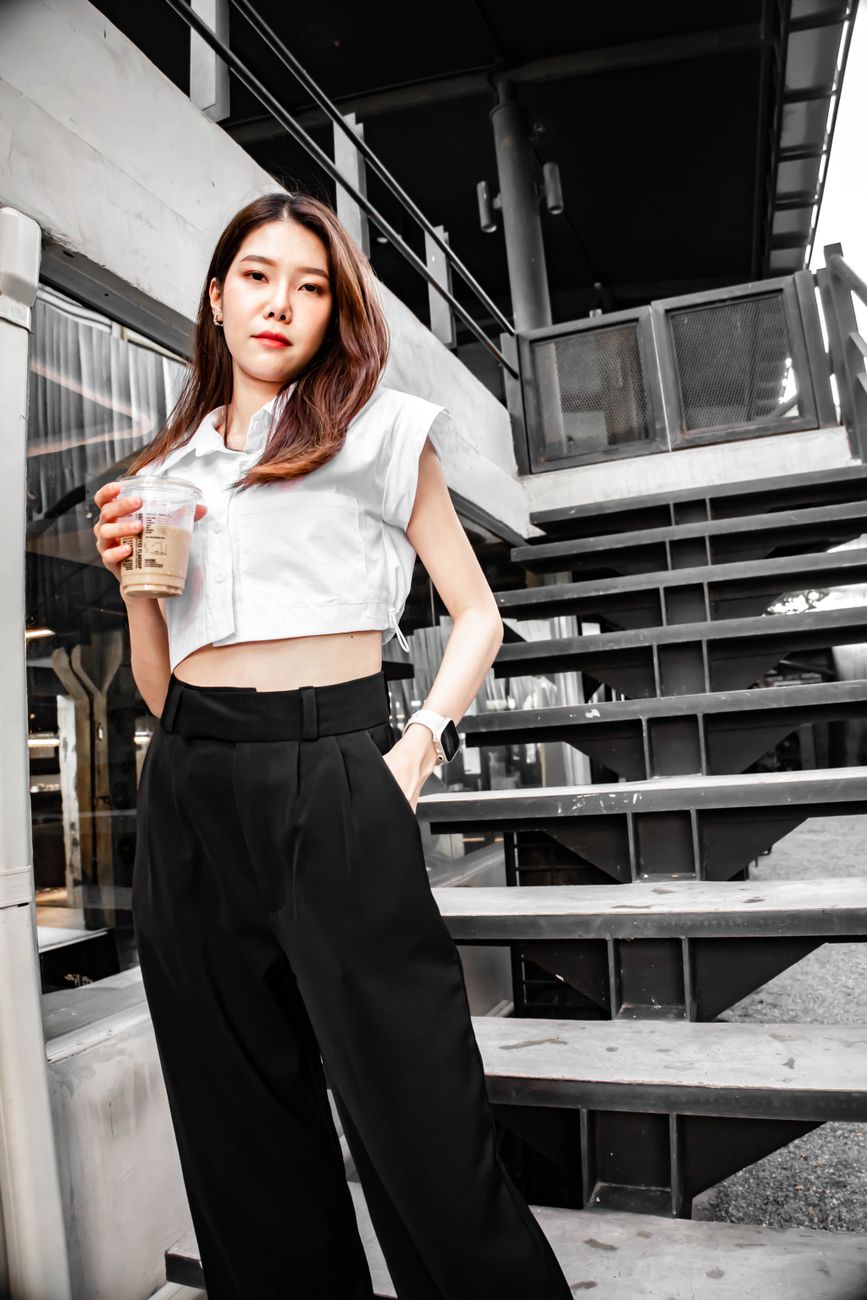
The white button-down shirt—corporate America's most reliable uniform piece—just lost three inches. Cropped iterations now end above the natural waist, paired with high-rise trousers that show a deliberate sliver of skin. What started as a styling trick among fashion editors has migrated to trading floors, law firms, and corner offices.
This isn't rebellion. It's recalibration. The same professionals who spent two years working in athleisure aren't interested in reverting to pre-pandemic formality. They want structure, but on revised terms. The result: business casual has acquired a hemline that would have been unthinkable in 2019, and the shift is forcing a long-overdue conversation about what professionalism actually looks like when separated from outdated dress codes.
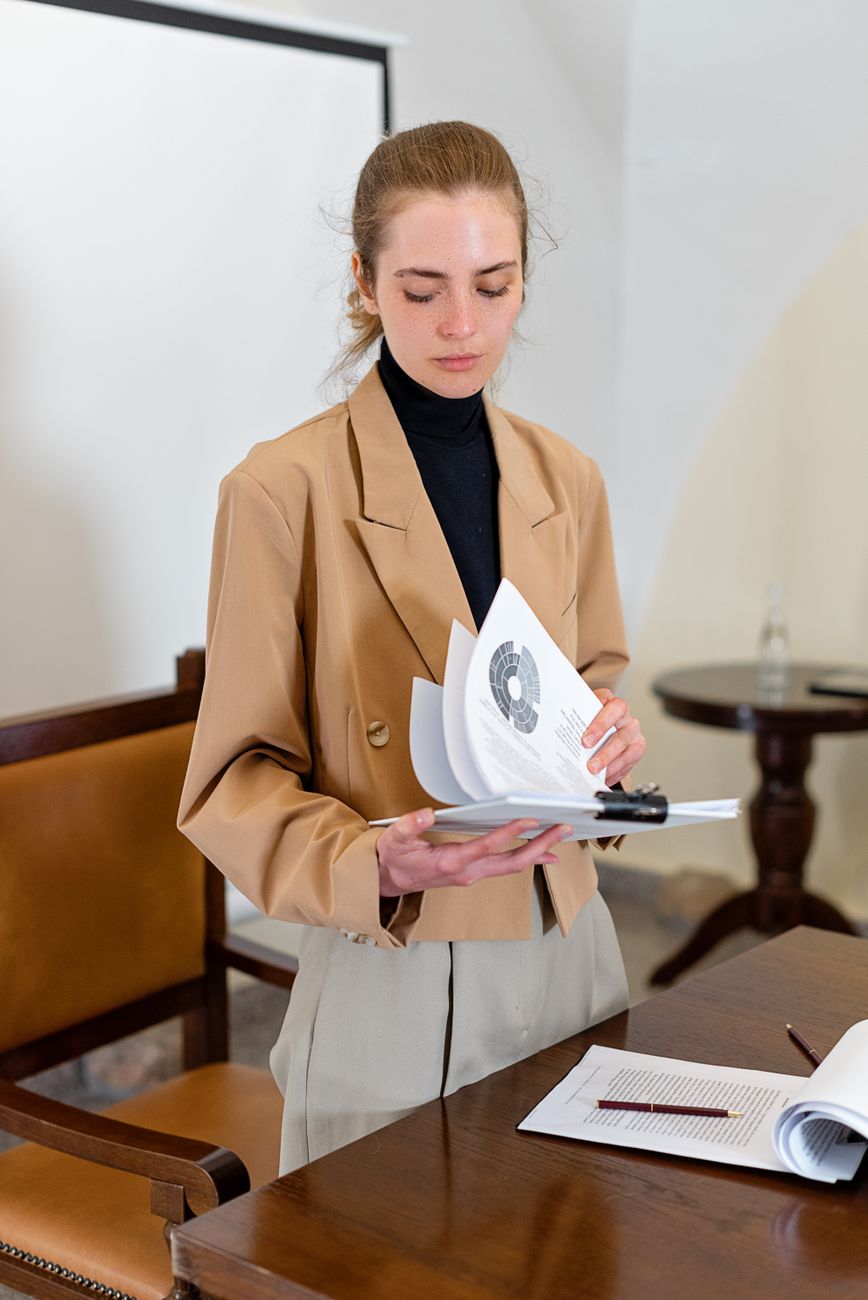
The Boardroom Crop: Executive Presence, Less Fabric
Cropped blazers now hit at the rib cage, creating a tailored silhouette that suggests authority without the stiffness. The proportions work because they're architectural—sharper shoulders, cleaner lines, worn with trousers that sit high enough to maintain modesty while acknowledging that showing your waistline isn't unprofessional. This is power dressing for people who recognize that influence isn't measured in inches of fabric coverage.

The Midriff Became Neutral Territory
A sliver of skin between a cropped knit and tailored trousers no longer registers as provocative—it reads as contemporary. The shift happened quietly, driven by younger professionals who never internalized the idea that covered torsos equal competence. Now, even traditionally conservative industries are adapting, recognizing that policing hemlines was always about control, not productivity.
Styling Made the Difference
The cropped top works in professional contexts because of what it's paired with: structured trousers, sleek loafers, minimal jewelry. It's the opposite of casual. The exposed inch of waist becomes part of a deliberate composition rather than an accidental reveal. This is intentional dressing, which has always been the actual marker of professionalism—not adherence to arbitrary coverage rules written decades ago by people who no longer work there.

Gen Z Brought Receipts
Younger workers entered offices with a simple question: why? Why does this hemline matter? Why is this neckline acceptable but that one isn't? When the answers amounted to "because that's how we've always done it," the dress codes started changing. Gen Z didn't storm the gates—they simply declined to pretend that outdated rules made sense, and enough of their managers quietly agreed.
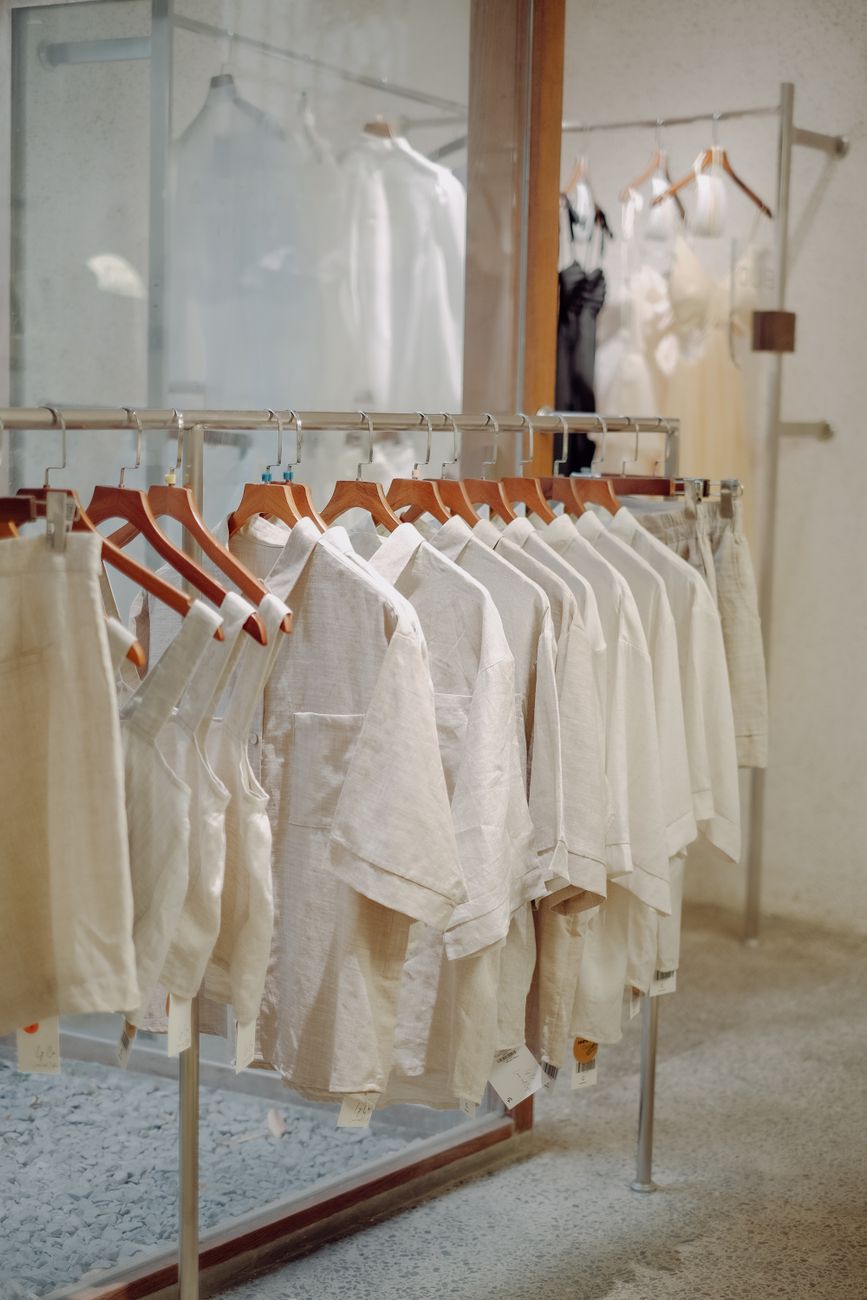
Retailers Followed the Office Home
Theory, Vince, and Equipment now design entire workwear collections around cropped proportions. When heritage brands shift their patterns, it's not trend-chasing—it's acknowledgment that customer behavior already changed. The market didn't wait for permission. Women started tailoring their existing button-downs shorter, and brands simply caught up to what was already happening in real closets.