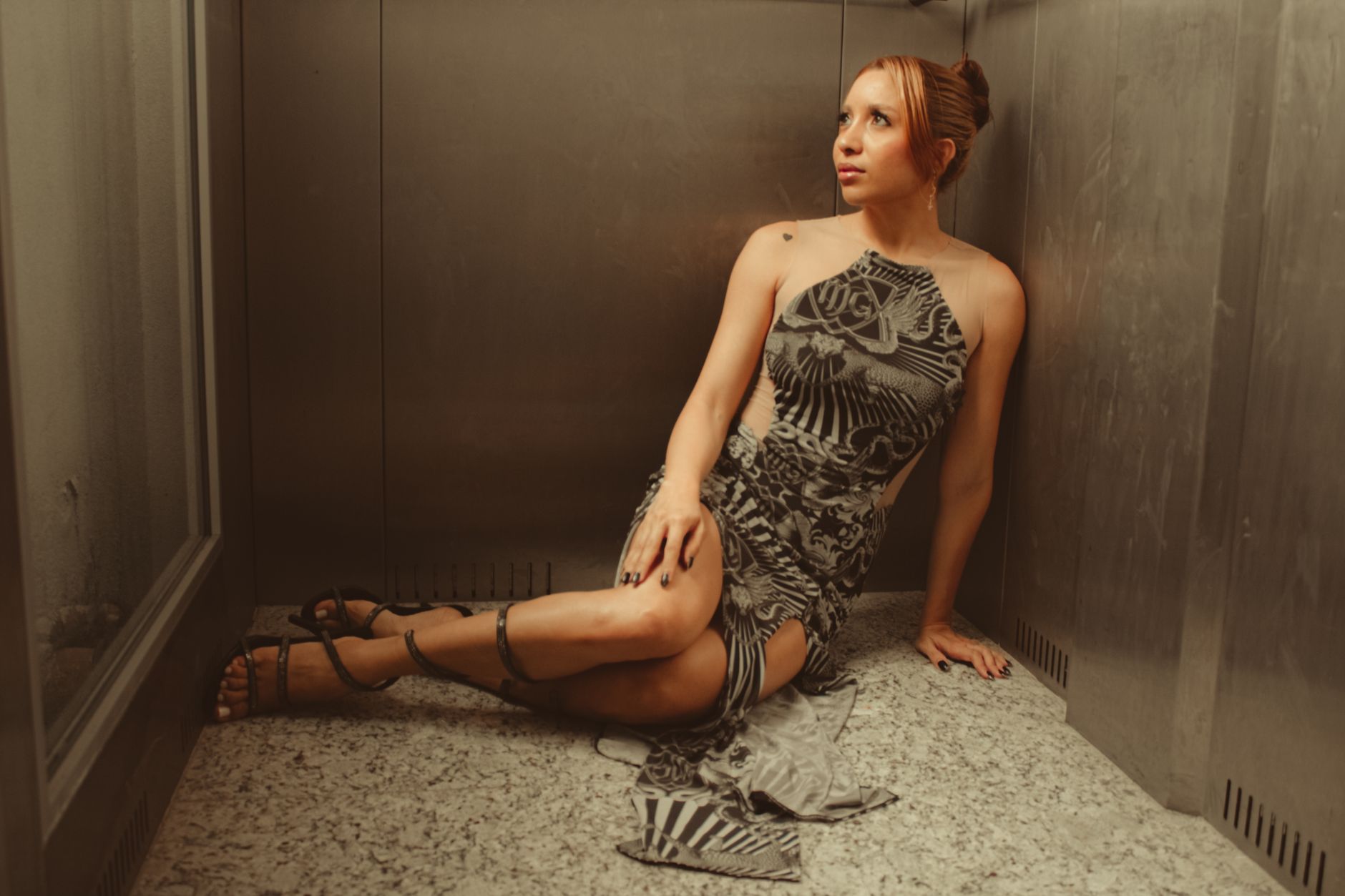
The drop-waist dress has resurfaced, that peculiar silhouette that sits where no waist should logically sit, creating proportions that defy every body-conscious trend of the past decade. It doesn't hug, cinch, or contour. It hangs with deliberate awkwardness, a middle finger to the algorithm's obsession with hourglass everything.
This isn't nostalgia—it's rejection. The women wearing drop waists now aren't reaching for vintage charm; they're embracing a shape that refuses to perform femininity on conventional terms. It's fashion for people who've exhausted the tyranny of flattering.

The Anti-Body-Con Manifesto
After years of compression fabrics and strategic ruching, the drop waist arrives like a palate cleanser. The lowered waistline creates a straight, often boxy silhouette that obscures rather than reveals—a radical act in an era where clothing is expected to broadcast your discipline. Designers from The Row to Molly Goddard are cutting dresses that pool fabric at the hip, creating proportions that read as deliberately unfussy, even confrontational in their refusal to sculpt.

1920s Silhouette, 2025 Attitude
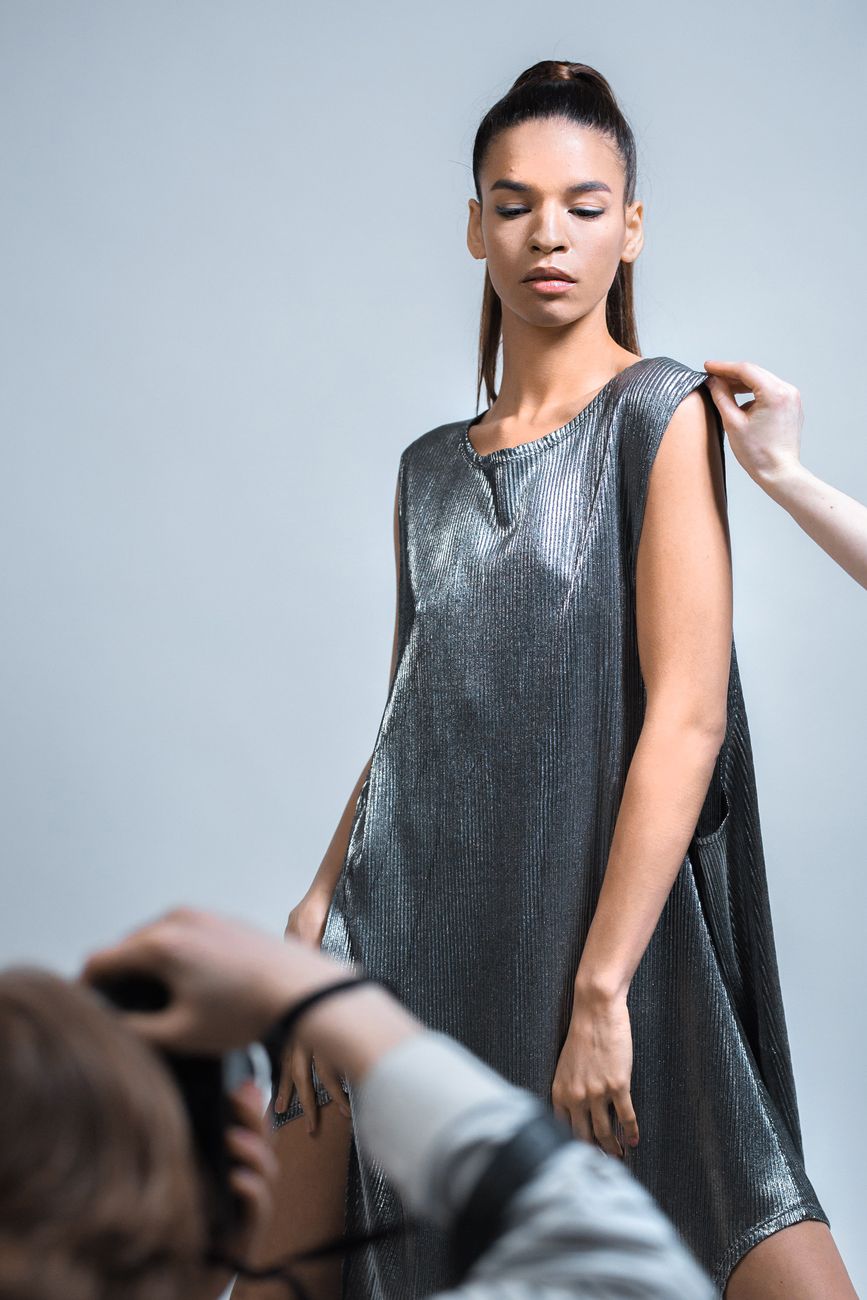
The original drop waist belonged to flappers who bobbed their hair and scandalized parlors, women using fashion to signal liberation from corsetry and convention. Today's iteration carries similar energy but without the costume drama. These aren't reproduction flapper dresses; they're contemporary pieces that borrow the androgynous, boyish drape but translate it through modern fabrications—slip silk, technical jersey, architectural cotton that suggests you've thought about this, just not about being pretty.
Proportion Play for the Chronically Online
On TikTok and Instagram, drop-waist styling has become shorthand for a specific aesthetic literacy—proof you understand that fashion is costume and you're in on the joke. The silhouette photographs strangely, disrupting the smooth scroll with its odd lengths and ambiguous fit. It's anti-thirst trap, which makes it catnip for anyone fatigued by the performance of desirability that most platforms demand as entry fee.
The Comfort Conspiracy No One Admits
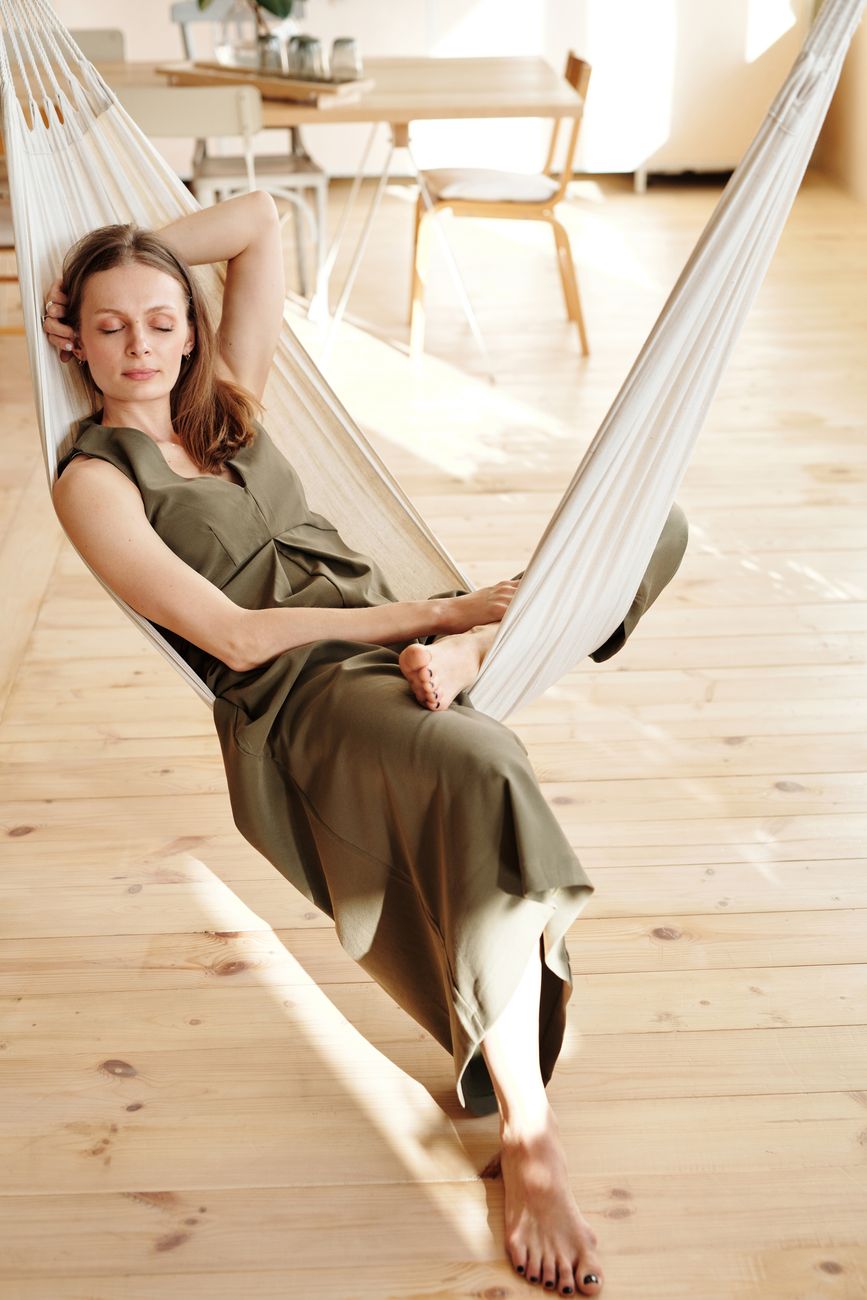
Strip away the theory and what remains is this: drop waists are devastatingly comfortable, offering the structure of a dress without waistband compression or the constant adjustment fitted clothes require. You can eat, sit, exist without architectural undergarments or strategic posing. The fashion world has dressed this up as subversion, but it's also just practical—a silhouette for people who've decided that looking "put together" shouldn't require physical discomfort or restricted breathing.

Flattering Is Over (If You're Brave Enough)
The drop waist's return signals something larger: a growing exhaustion with "flattering" as fashion's north star. Choosing a silhouette that doesn't optimize your proportions, that might even shorten your legs or broaden your midsection, becomes an act of aesthetic self-determination. It announces that you're dressing for reasons more compelling than making strangers comfortable with your body. Whether that's genuinely liberating or just another form of fashion peacocking depends entirely on whether you can wear it without explaining yourself.