The first-date cocktail is going the way of the handwritten love letter. Across dating apps and IRL meetups, a generation is opting out of alcohol entirely—not as a political statement, but as baseline behavior. They're calling it dry dating, and it's rewriting the economics of courtship.
This isn't about wellness influencers preaching abstinence. It's structural. When the people who should be propping up wine bars and craft cocktail culture are ordering matcha instead, entire categories start to wobble. The wine mom aesthetic, built on a decade of rosé-all-day marketing, is facing its first real reckoning. Turns out, sobriety isn't a trend. It's a market shift.
Dating apps are designing for sobriety
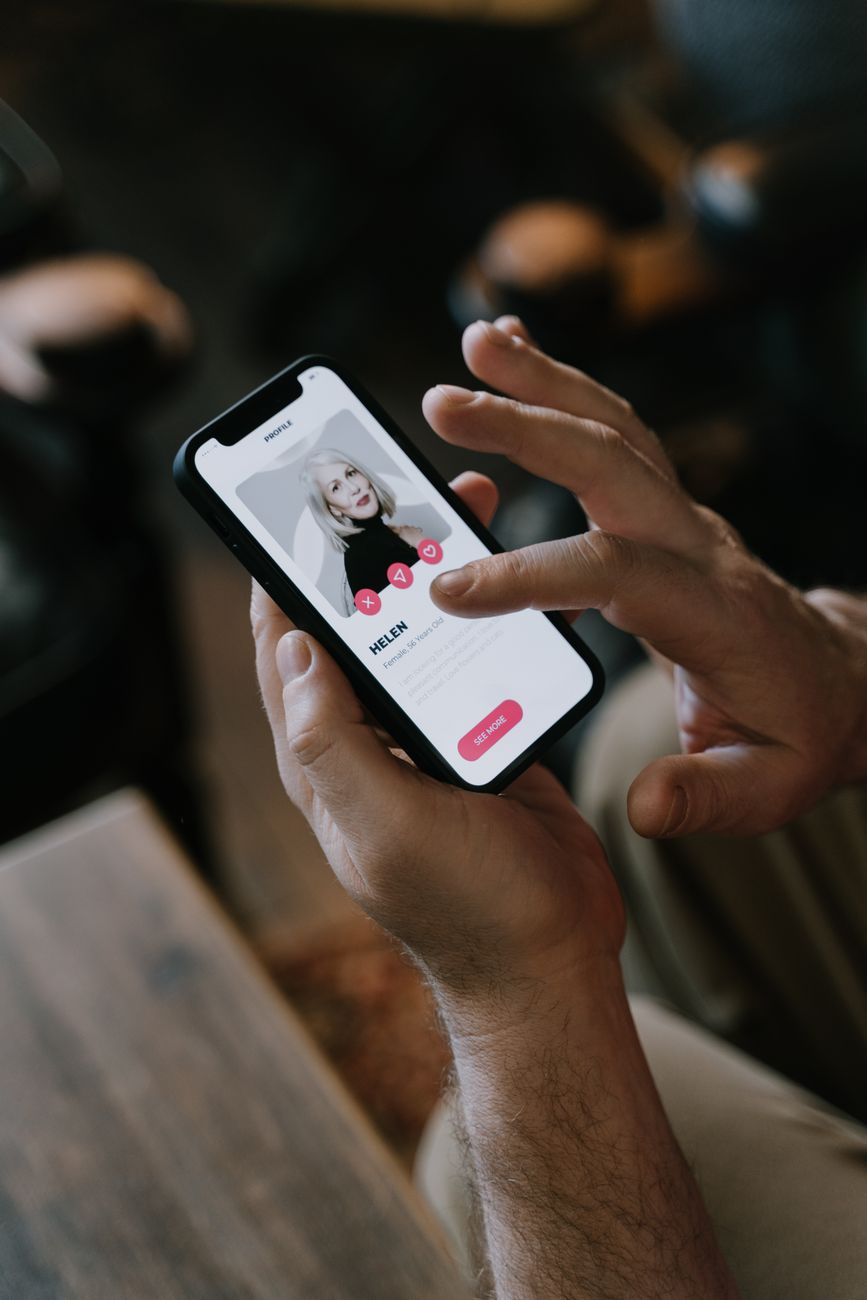
Bumble, Hinge, and newer platforms now include prompts that center non-drinking activities—hiking, museum visits, breakfast dates. The shift isn't altruistic; it's algorithmic. User data shows that alcohol-free suggestions get higher engagement and lead to longer conversations. Apps follow behavior, and the behavior has changed. When the infrastructure adapts, the culture follows.
Wine bars are pivoting or closing
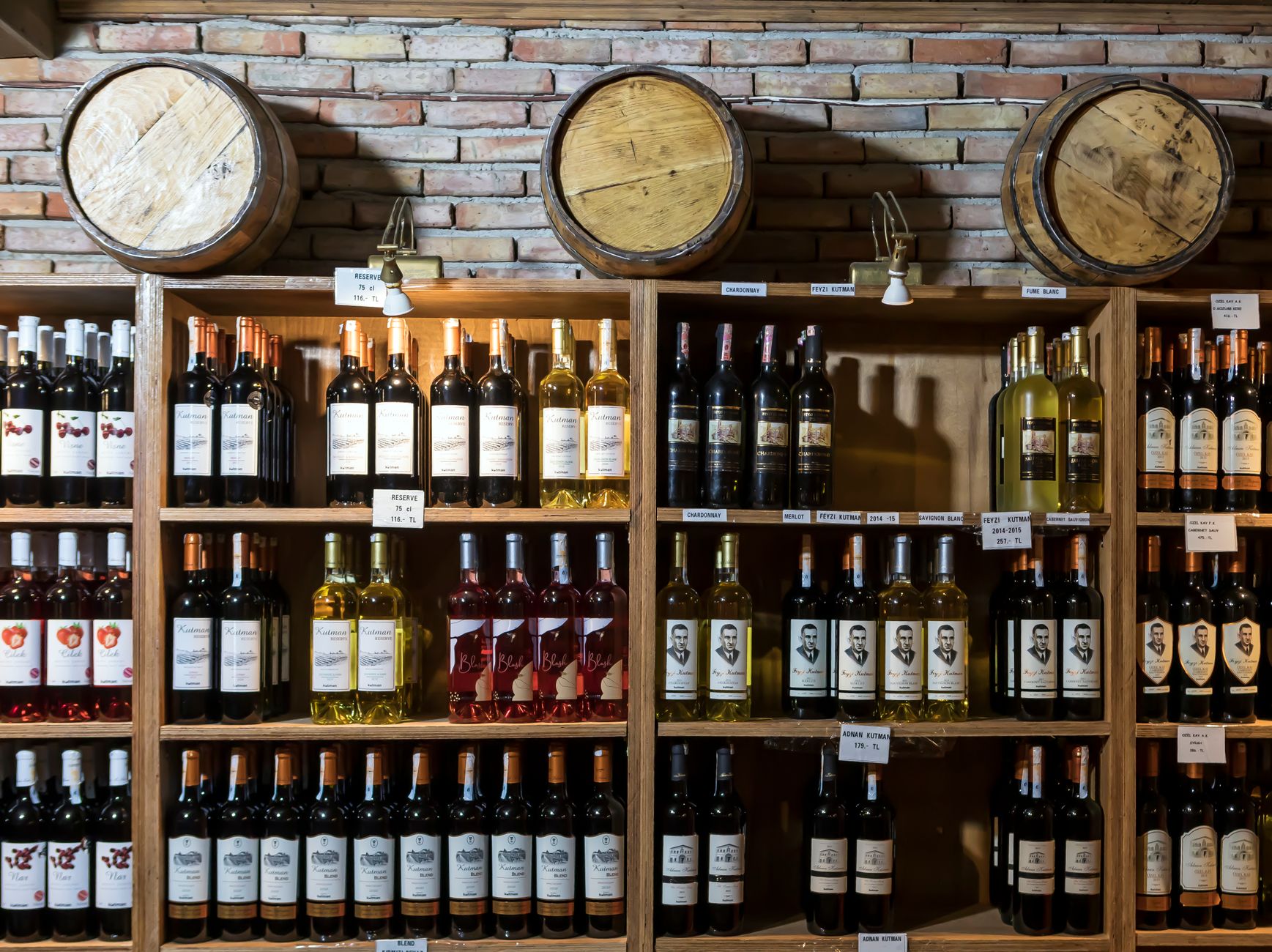
Small-format wine bars in major cities are either overhauling their menus to include elaborate mocktail programs or shuttering quietly. The business model depended on frequency—regulars who'd come twice a week for a glass and small plates. That customer is aging out, and the replacement cohort isn't showing up. Lease renewals are becoming existential decisions.
The wine mom industrial complex is contracting
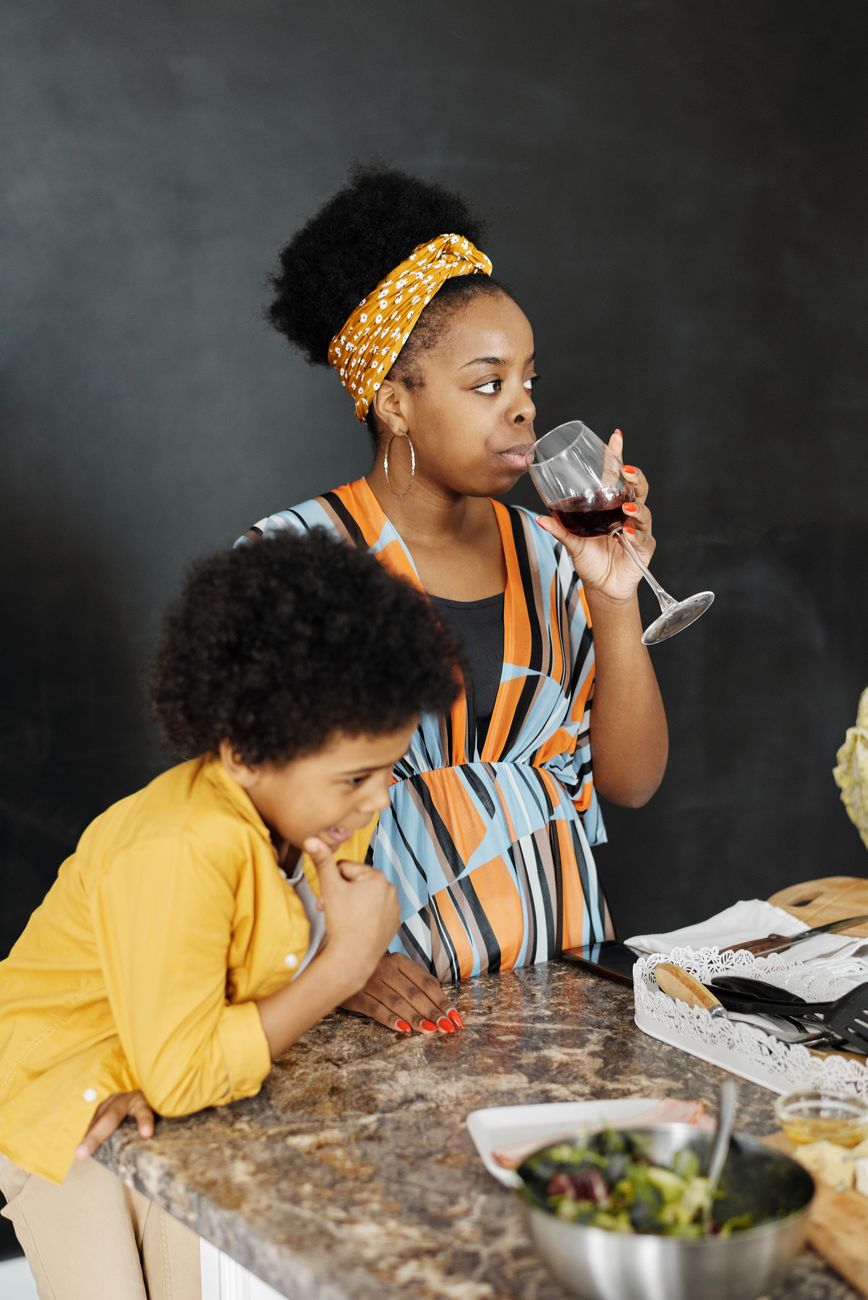
A decade of "mommy juice" merchandise—throw pillows, tumblers, graphic tees—feels suddenly dated. Target and HomeGoods are pulling back on wine-themed inventory as sales flatten. The aesthetic relied on a shared joke about needing alcohol to survive parenting, but younger parents aren't buying in. The humor doesn't translate, and neither does the product.
Booze brands are chasing the sober dollar
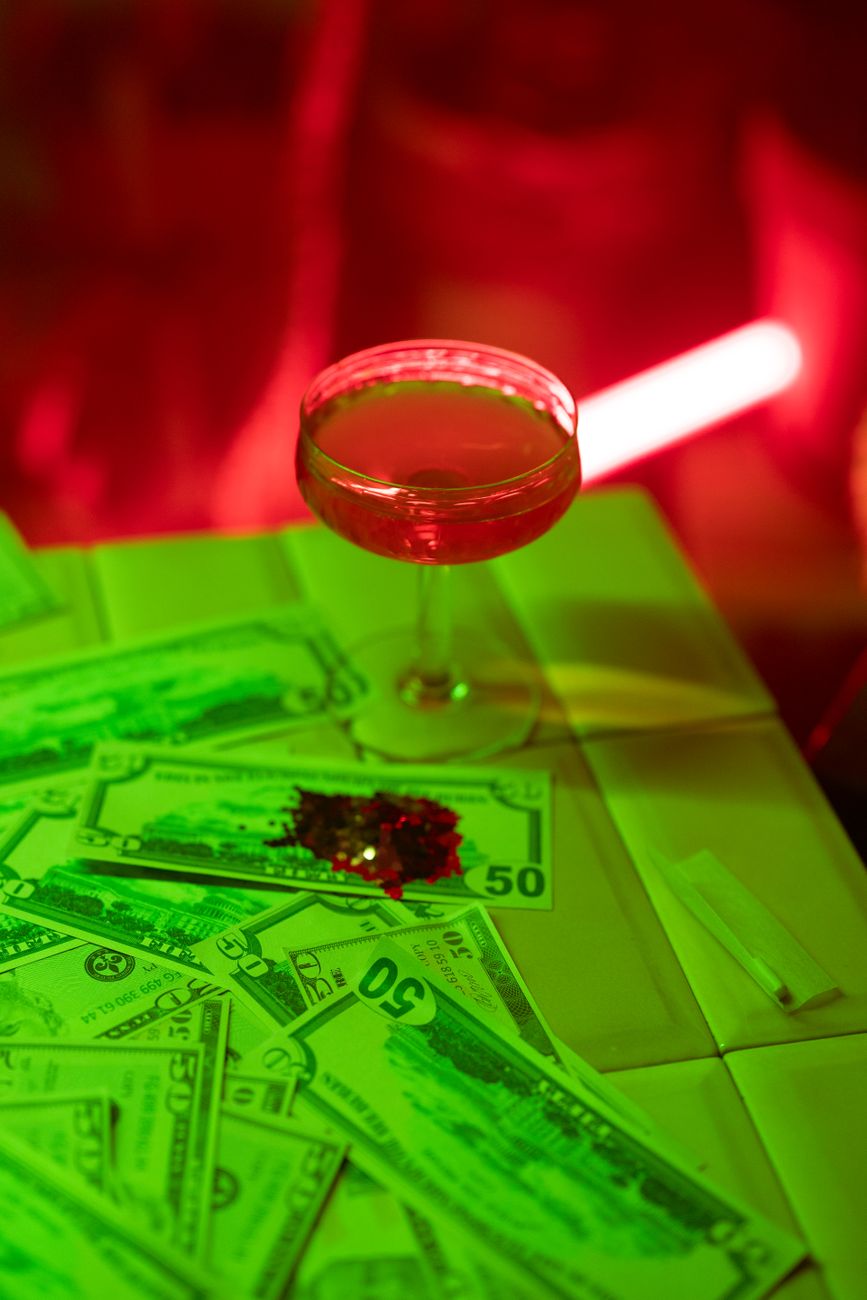
Diageo, AB InBev, and Constellation Brands have all launched or acquired non-alcoholic lines in the past eighteen months. It's defensive spending. They've watched cannabis and functional beverages take share, but the real threat is simpler: people just drinking less. The pivot to zero-proof isn't innovation. It's survival.
Morning dates are replacing evening drinks
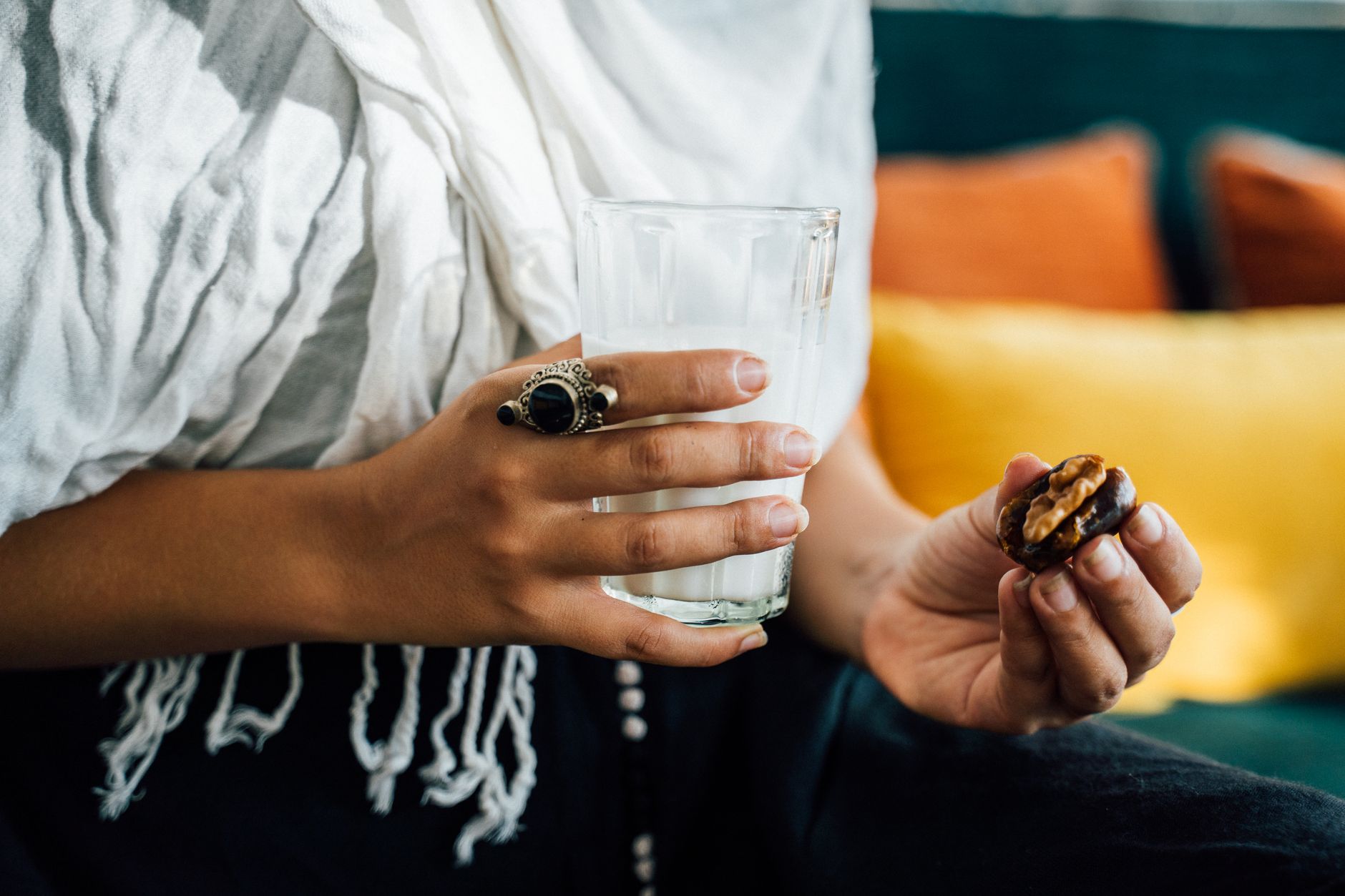
Coffee dates were once considered low-effort, a screening call before the real date. Now they're the main event. Restaurants report that brunch and early-dinner reservations for two are up, while post-9pm bookings are down. The romance economy is moving earlier in the day, and the margins are different. Less alcohol, lower checks, faster table turns.
Sobriety is no longer an explanation
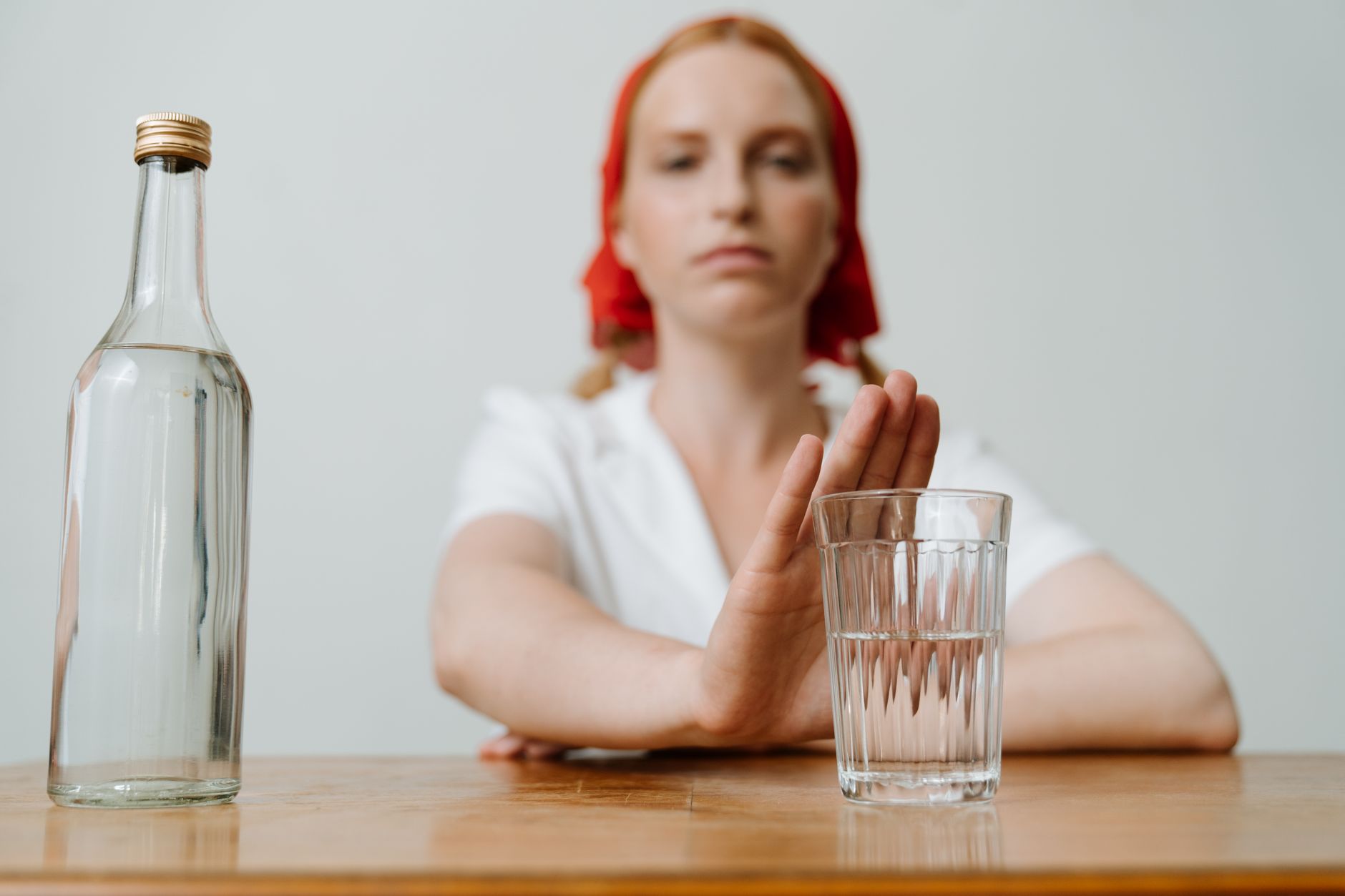
Five years ago, not drinking required a reason—medication, training, pregnancy. Now it's assumed normal. On dates, saying "I don't drink" prompts a nod, not a probe. The cultural expectation has flipped. What changed isn't individual choice; it's social permission. When enough people opt out, opting out becomes default.
Liability is driving venue strategy
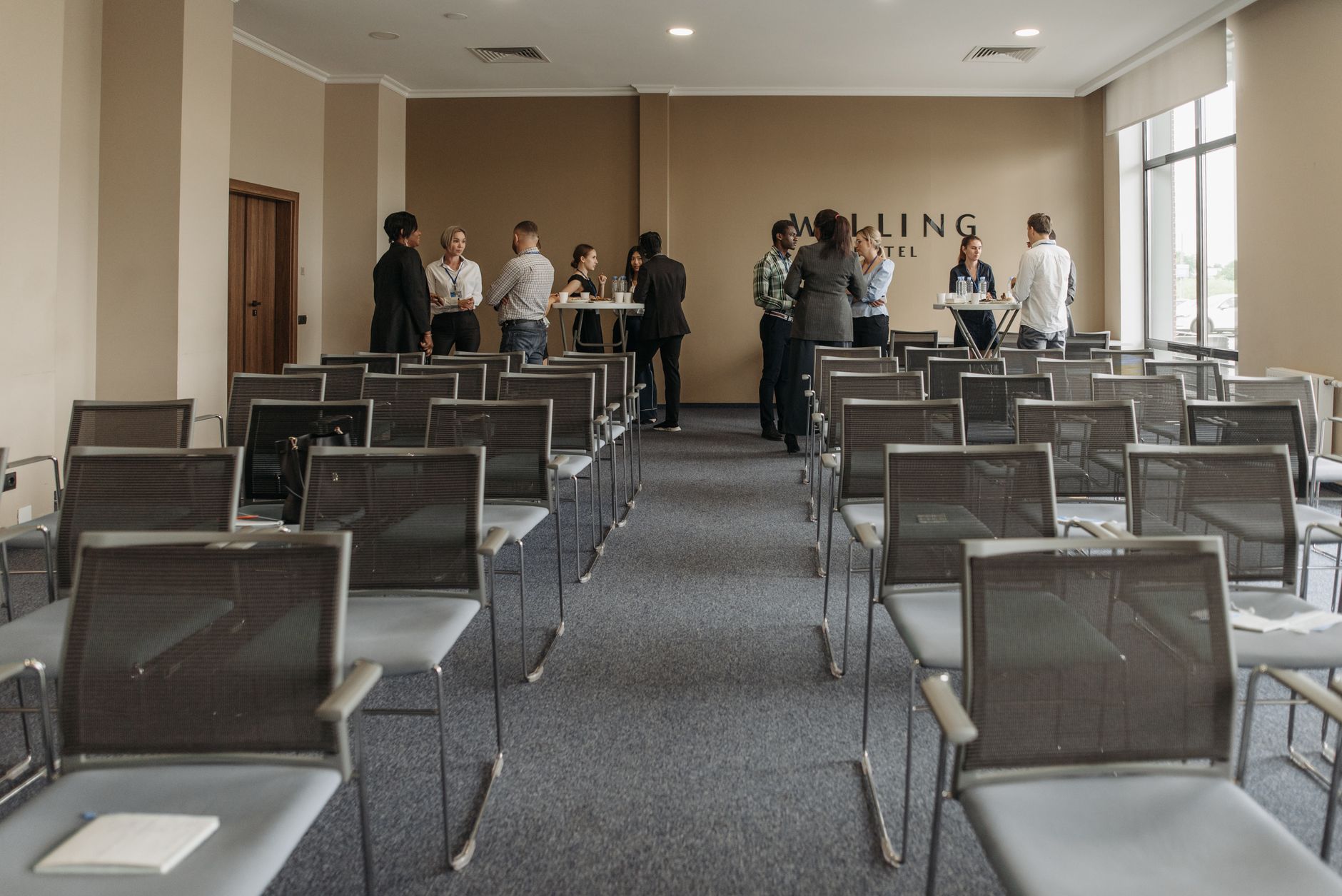
Insurance costs for alcohol-serving venues have climbed as litigation around over-service increases. Meanwhile, activity-based date venues—climbing gyms, cooking classes, ax-throwing—carry different risk profiles and attract the dry dating demographic. Businesses are reading the room. When the next generation isn't drinking, why pay the premiums?
Alcohol was a social lubricant for a reason
The unspoken tension: dating sober is harder. Alcohol smoothed awkwardness, accelerated intimacy, provided a shared ritual. Without it, people have to build connection through actual conversation, and not everyone wants to. Some report that dry dating feels more intense, more exposing. The question isn't whether it's healthier—it is. The question is whether people will tolerate the discomfort long enough for new rituals to form.
- Dating apps are designing for sobriety
- Wine bars are pivoting or closing
- The wine mom industrial complex is contracting
- Booze brands are chasing the sober dollar
- Morning dates are replacing evening drinks
- Sobriety is no longer an explanation
- Liability is driving venue strategy
- Alcohol was a social lubricant for a reason