A pair of leather pants at Zara costs €49.95. Premium Japanese selvedge denim starts at €280. Somewhere between 2019 and now, the price hierarchy that governed fashion for decades inverted without ceremony. The material that once signaled wealth, edge, and a certain commitment to permanence is now being produced at volumes that make it functionally disposable.
This isn't about democratization or accessibility. It's about the collapse of material value as a signaling system. When leather—actual animal hide that requires tanning, finishing, and skill—becomes cheaper to produce and sell than cotton twill, something fundamental has broken. Not just in pricing, but in how we understand what clothes mean.

The Composite Leather Supply Chain Made Luxury Materials Worthless
Fast fashion didn't crack leather—it rebuilt it from scraps. Bonded leather, bi-cast, and PU-coated split hides now comprise most sub-€100 'leather' pants, engineered to photograph identically to full-grain but disintegrate within a season. The material science is real, the supply chain is sophisticated, and the result is leather that costs less per meter than mid-tier denim. The word 'leather' still carries weight in marketing. The material itself no longer does.

Premium Denim Became the Actual Investment Piece
While leather raced to the bottom, Japanese mills spent two decades positioning denim as a craft material. Selvedge construction, rope-dyeing, and the promise of personalized aging transformed jeans into objects that appreciate with wear. A pair of Flat Head or The Real McCoy's denim now occupies the cultural space leather pants held in 1995: expensive, particular, requiring commitment. The inversion is complete.

TikTok Killed the Three-Year Trend Cycle Leather Needed
Leather pants require a long trend horizon to justify production costs and consumer investment. But when micro-trends cycle in six-week intervals, no single item can maintain relevance long enough to command premium pricing. Fast fashion responded by treating leather like any other trend fabric—high volume, low margin, planned obsolescence. The platforms that accelerated trend cycles also made it impossible for leather to hold its value position.
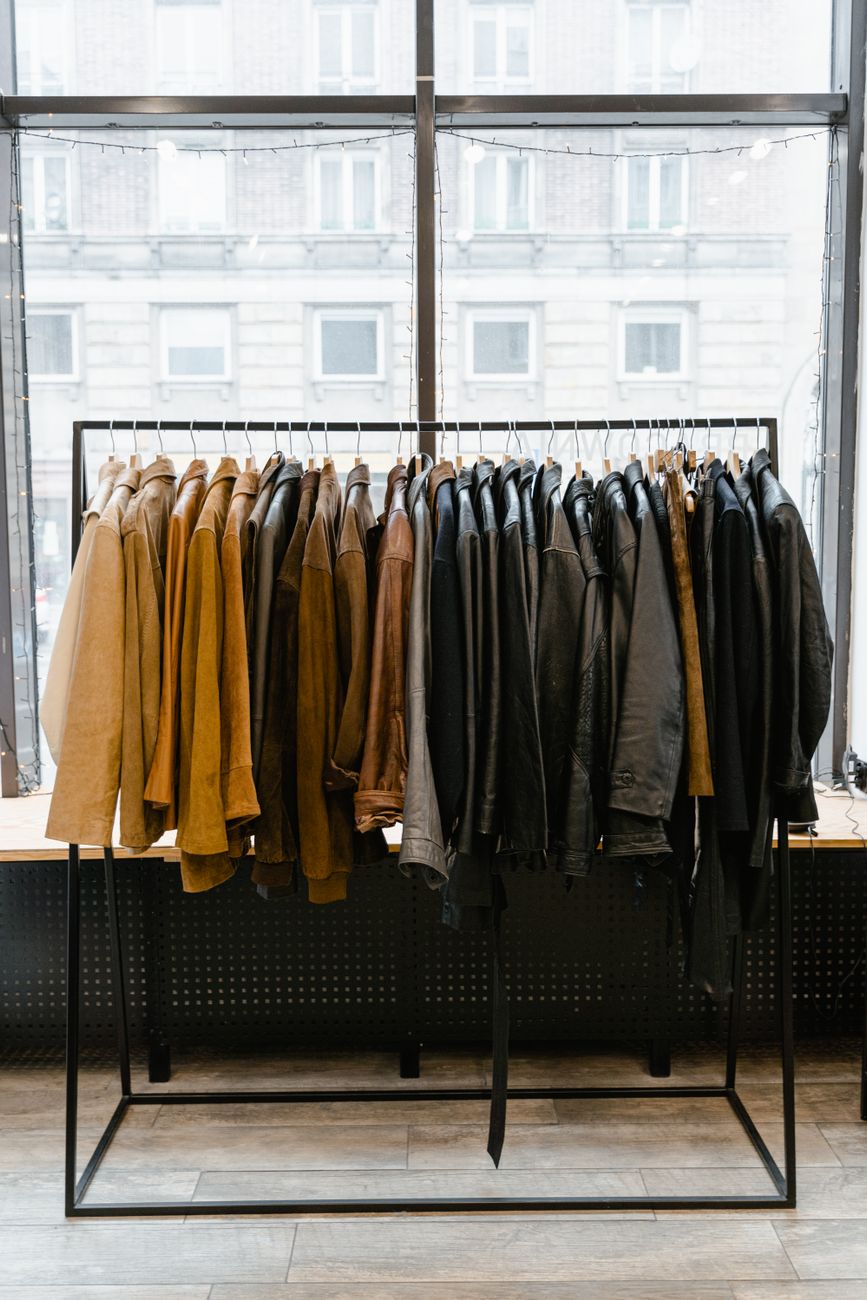
Sustainability Theater Created a Quality Vacuum
The sustainability conversation around leather became so fractious—animal ethics versus plastic pollution versus industrial tanning—that consumers stopped evaluating quality entirely. Brands exploited the confusion by positioning cheap bonded leather as 'responsible' because it uses scraps, while marketing identical-looking PU as 'vegan leather' for the same price. Both claims obscured the real issue: neither material lasts, both end up in landfills within two years, and the价格 collapse happened under cover of environmental language.
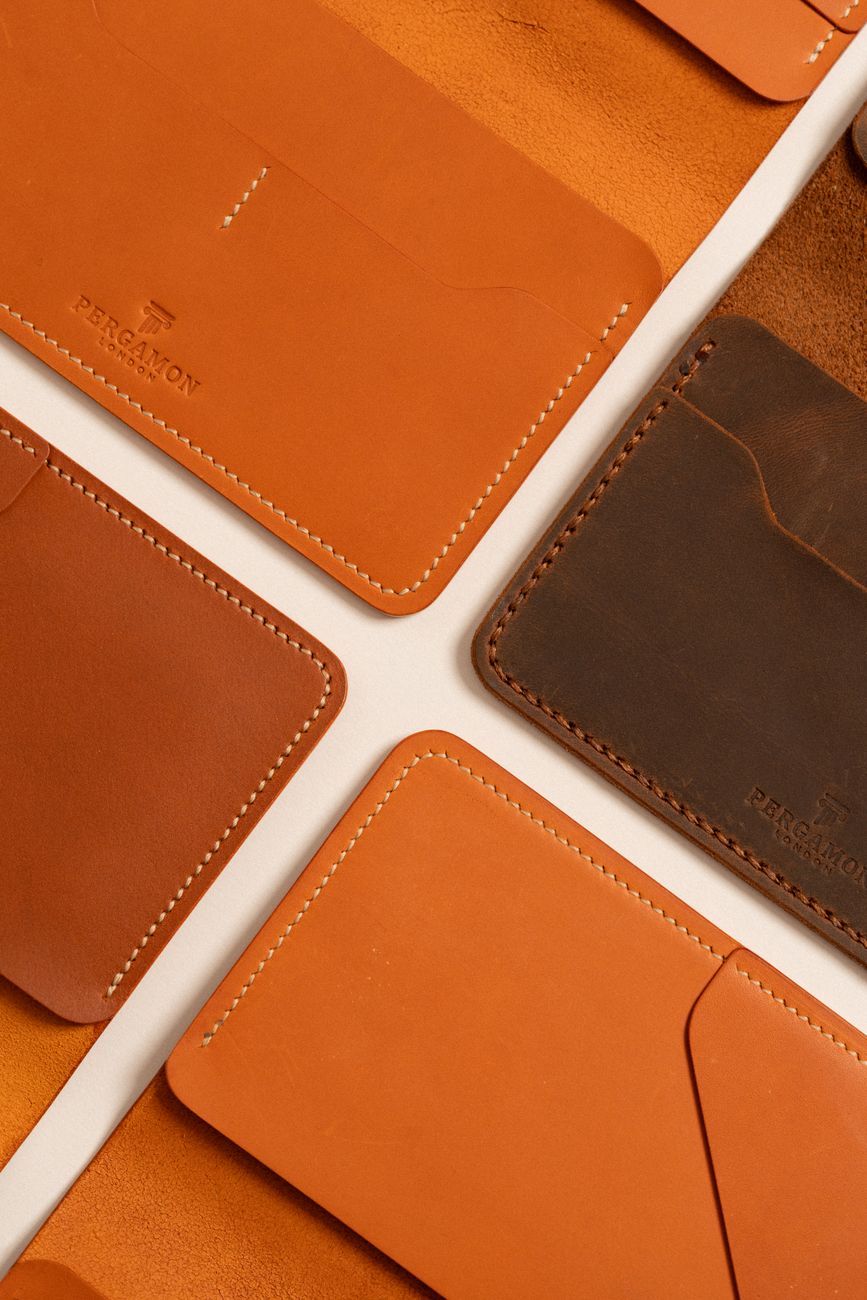
Status Moved to Knowing the Difference
The new flex isn't owning leather pants—it's being able to identify full-grain from split, understanding tannery provenance, recognizing hand-finished edges. As the low end flooded with leather-adjacent materials, expertise became the actual luxury. The people still buying expensive leather aren't paying for the material anymore. They're paying for legibility within an increasingly narrow circle that can still decode quality signals. Everyone else is wearing plastic that photographs well.