Lymphatic drainage massage has graduated from physical therapy offices into the marbled sanctums of celebrity aestheticians, where waitlists stretch into next season and cancellation alerts trigger the kind of finger speed previously reserved for concert tickets. What was once relegated to post-operative recovery has become the most covetable 90 minutes in wellness, promising everything from sharper jawlines to immune system overhauls.
The shift isn't just about puffiness. It's about the professionalization of a previously invisible body system, the aestheticization of internal plumbing, and the way optimization culture has turned even our waste removal into something requiring expert intervention. Here's what's actually happening.
Manual lymphatic drainage left the medical wing
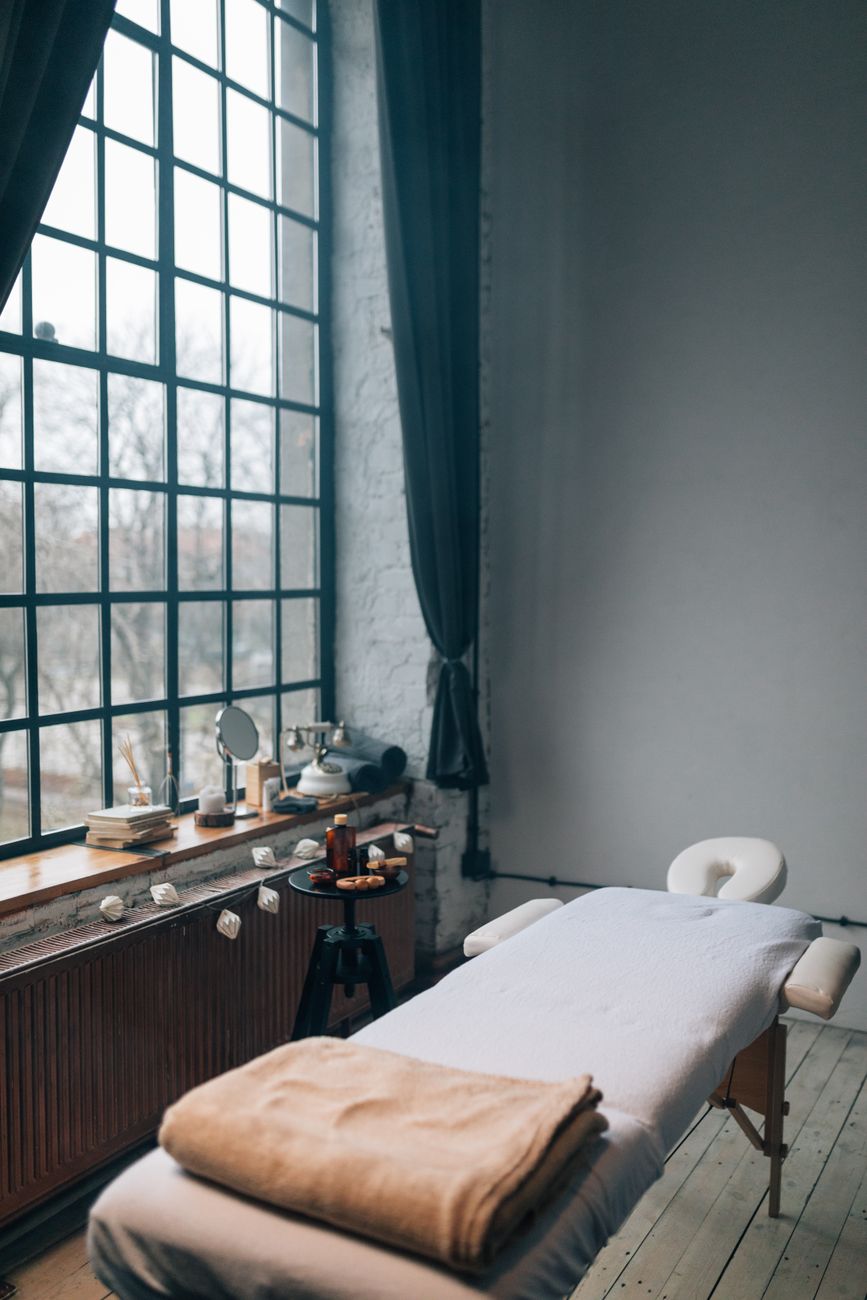
MLD migrated from post-mastectomy treatment rooms into luxury spas around 2019, but the pandemic accelerated its repositioning. Suddenly, immune function became cocktail party conversation, and the lymphatic system—that previously ignored network of vessels and nodes—acquired mystique. Practitioners who once worked exclusively with surgical patients now field calls from women who simply want their faces to look less like they woke up. The medical credential became the luxury selling point.

The jawline became a vital sign
Facial lymphatic drainage specifically exploded because it promises structural change without injectables, appealing to both the needle-averse and those pursuing the undefined "natural" aesthetic. The technique offers visible (if temporary) contouring, which photographs exceptionally well and feeds the current obsession with bone structure as health indicator. It's become the thinking woman's alternative to filler, even if the results last approximately 48 hours.

Certification standards remain productively vague
Unlike medical aesthetics, lymphatic drainage exists in a regulatory gray zone where a weekend course can ostensibly qualify someone to charge $400 per session. The Vodder method remains the gold standard, requiring extensive training, but countless abbreviated certifications have proliferated. This variance in credentialing partly explains the waitlist phenomenon—everyone wants the practitioner who trained under someone who trained under someone in Europe, creating artificial scarcity around perceived expertise.
At-home tools flooded the gap
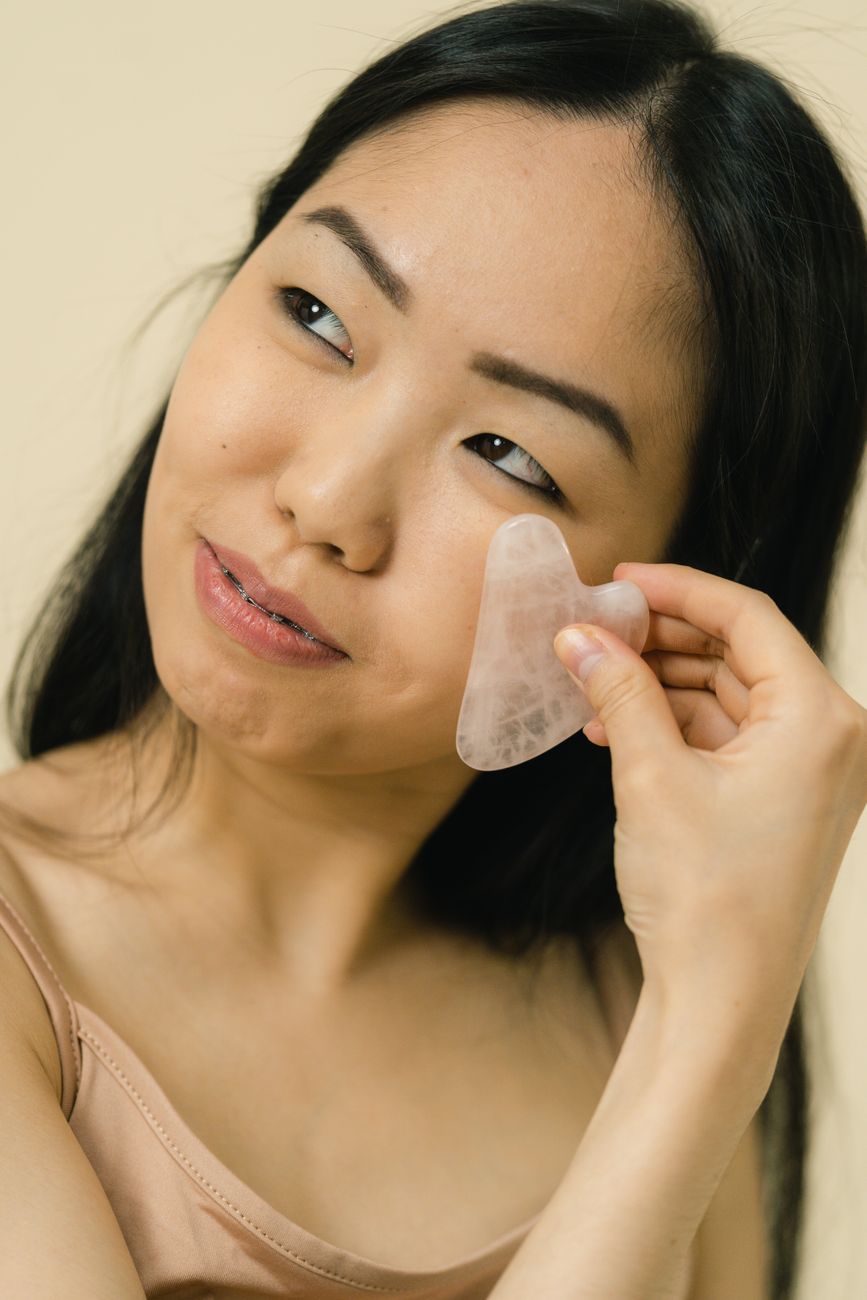
The waitlist crisis spawned an entire product category: sculptural metal instruments, textured rollers, and handheld devices promising to replicate professional technique. Gua sha tools alone became a $174 million market, though most users lack the anatomical knowledge to follow actual lymphatic pathways. The tools satisfy the productivity anxiety that comes with passive self-care—you're not just lying there, you're manually optimizing your drainage routes. Whether they work is almost beside the point.

Detoxification got a credible rebrand
Lymphatic drainage succeeded where juice cleanses and infrared blankets stumbled: it attached detox rhetoric to legitimate physiology. The lymphatic system does remove cellular waste, so claims about "flushing toxins" land in a scientifically defensible zone, even when practitioners extrapolate wildly. It gives the optimization-obsessed a new bodily system to monitor and improve, complete with practitioner consultations, progress photos, and the satisfying sense that invisible maintenance is occurring. The fact that healthy lymphatic systems self-regulate without intervention rarely enters the conversation.