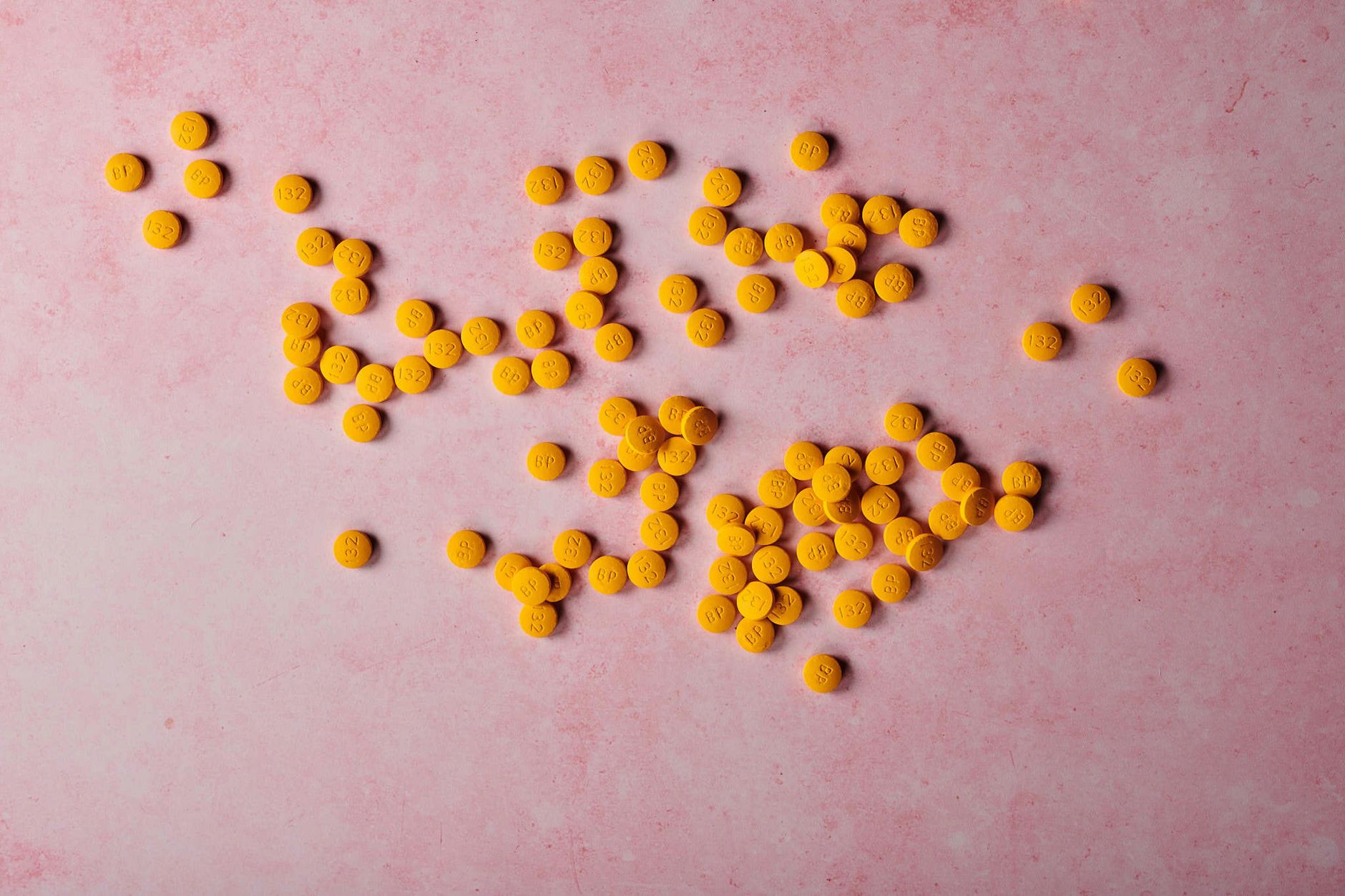
The wellness industrial complex has always trafficked in control, but somewhere between intermittent fasting and continuous glucose monitors, optimization became indistinguishable from obsession. What started as Silicon Valley executives microdosing longevity supplements has metastasized into a full-blown subculture of people injecting research peptides ordered from grey-market online pharmacies, tracking biomarkers with religious fervor, and speaking about their bodies like machines in need of constant debugging.
This isn't wellness. It's pathology with a venture capital budget. The language has shifted from health to performance, from feeling good to maximal output, from intuition to data. And beneath the scientific veneer and optimization speak lies something medicine has seen before: the psychological architecture of disordered eating, repackaged for an era that worships at the altar of efficiency. Five developments reveal how biohacking's promise of transcendence became a permission structure for self-harm.

Peptide sourcing has become its own economy
Telegram channels with tens of thousands of members now function as unofficial pharmacies, where users share supplier reviews, peptide stacking protocols, and injection techniques with the casual fluency of recipe swapping. These aren't fringe forums—they're populated by white-collar professionals comparing notes on BPC-157 for gut health and discussing proper reconstitution methods for growth hormone peptides. The barrier to entry has collapsed entirely. What was once restricted to clinical trials is now accessible to anyone with cryptocurrency and a willingness to self-experiment, no medical oversight required.

Body metrics have replaced body image as the fixation point
The obsession hasn't disappeared—it's simply migrated from the mirror to the spreadsheet. Continuous glucose monitors on non-diabetics. Daily ketone measurements. HRV scores that dictate social plans. The quantified self movement promised empowerment through data, but it's delivered something closer to house arrest, where every input must be justified by output and spontaneity registers as system failure. This is orthorexia's final form: you're not restricting because you hate your body, you're optimizing because you love performance. The pathology stays identical; only the vocabulary has been upgraded.

Medical-grade language provides psychological cover
Call it a diet and face scrutiny. Call it a metabolic intervention protocol and suddenly you're a citizen scientist. The biohacking community has brilliantly weaponized clinical terminology to cloak disordered behaviors in legitimacy—fasting becomes autophagy activation, extreme restriction becomes metabolic flexibility training, compulsive tracking becomes precision health. This linguistic shield is particularly effective on the demographic most susceptible to it: high-achieving types who've built identities around discipline and optimization. When your self-worth is tied to performance metrics, biohacking offers endless terrain for proving you're still in control.

The guru economy has found its latest vehicle
Every platform now features its biohacking prophet—former athletes, failed entrepreneurs, or simply photogenic people with Ring lights—dispensing peptide protocols and supplement stacks to audiences desperate for the edge that will finally unlock their potential. These figures operate in the profitable gap between aspiration and regulation, selling courses and coaching while carefully avoiding anything that might classify as medical advice. Their real product isn't the information; it's the fantasy that suffering can be systematized, that there's a hack for the fundamental dissatisfaction that drives people to inject research chemicals in the first place.

Community formation is accelerating normalization
The most dangerous phase of any disordered behavior is when it finds its tribe. Biohacking meetups in major cities now function like support groups in reverse, where participants bond over shared protocols and reinforce each other's conviction that they've transcended conventional medicine rather than abandoned common sense. These communities provide something powerful: social proof that extreme measures are not only acceptable but aspirational. When everyone in your circle is running the same experiment on themselves, it stops feeling like self-harm and starts feeling like enlightenment. That's precisely when intervention becomes nearly impossible.