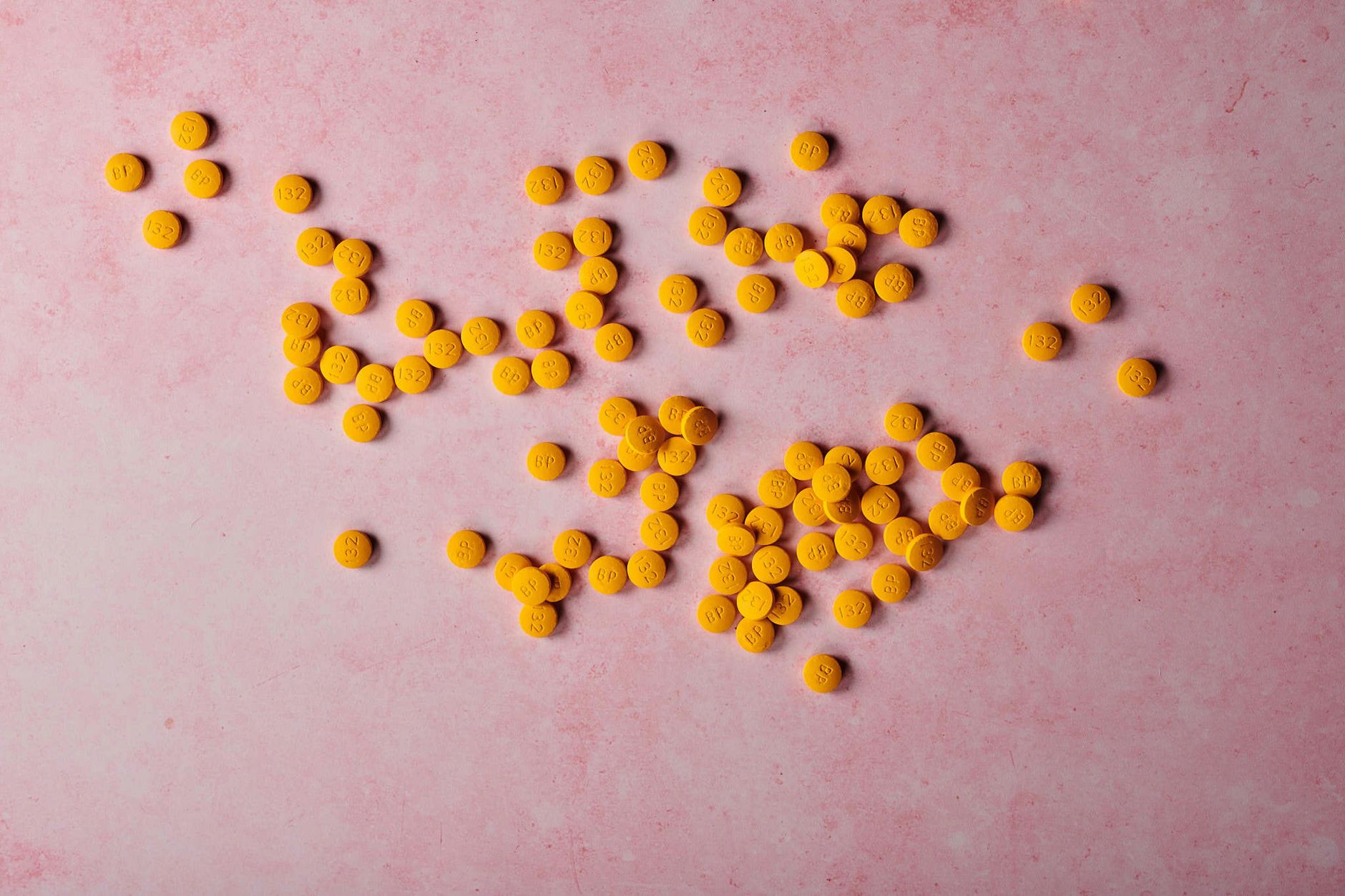
Menopause used to be the thing nobody mentioned—a biological footnote whispered about in doctors' offices, endured in silence. Gen X women, now in their prime menopause years, have decisively rejected that script. They're loud, funded, and utterly uninterested in fading quietly into anything.
This isn't your mother's midlife crisis. It's a full-scale reclamation project, fueled by entrepreneurial ambition, scientific literacy, and a generation that grew up questioning everything. From clinical-grade skincare to boardroom battles over HRT access, Gen X is turning menopause into both a cultural movement and a market force. The result: a renaissance that's redefining what power looks like after 45.

Hormone replacement therapy is having its moment
After decades of medical gaslighting and fear-mongering studies, HRT is experiencing a redemption arc—and Gen X women are leading the charge. They're demanding nuanced conversations about bioidentical hormones, pushing back against the blanket "just deal with it" advice that defined menopause care for too long. The shift isn't just about symptom relief; it's about refusing to accept diminishment as a biological inevitability. Clinics specializing in menopause care are proliferating, many founded by women who got tired of being dismissed by their own doctors.

The menopause economy is worth billions
Venture capital finally noticed that women over 45 have money and problems worth solving. Menopause-specific brands—from cooling sleepwear to cognitive supplements—are attracting serious funding, with the global menopause market projected to hit $24.4 billion by 2030. What's notable isn't just the scale, but who's building these companies: women who lived through the information vacuum and decided to fix it themselves. This isn't niche wellness; it's a demographic tidal wave meeting entrepreneurial fury.

Brain fog became the great equalizer
For years, perimenopausal cognitive changes were dismissed as stress or aging, if acknowledged at all. Gen X broke that silence wide open, comparing notes on everything from word-finding struggles to executive function disruptions. The conversation shifted from "am I losing my mind" to "what are the mechanisms and what actually helps." This collective honesty—often happening in private Slack channels and Instagram comment sections—created permission structures for millions of women to seek real answers instead of suffering through what they'd been told was normal.
Strength training replaced cardio as the midlife mandate
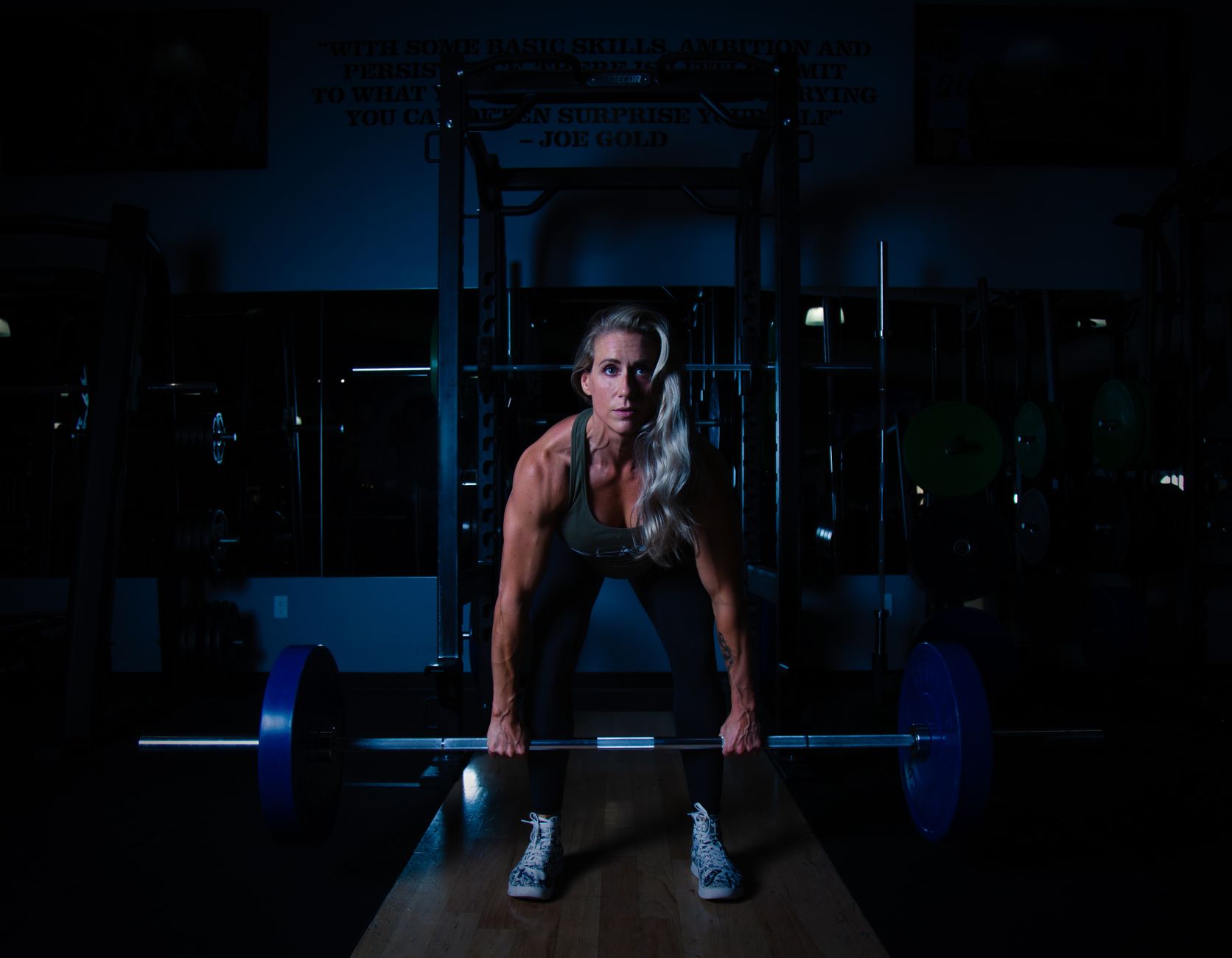
Muscle mass preservation and bone density became the new status symbols, with Gen X women abandoning the endless cardio sessions of their youth for barbells and progressive overload. The science is clear: resistance training matters exponentially more during perimenopause and beyond, and this generation actually read the research. Gyms are adapting, menopause-focused trainers are booked solid, and the aesthetic ideal is shifting from thin to strong. It's a pragmatic pivot that happens to come with visible power.
Visibility became non-negotiable
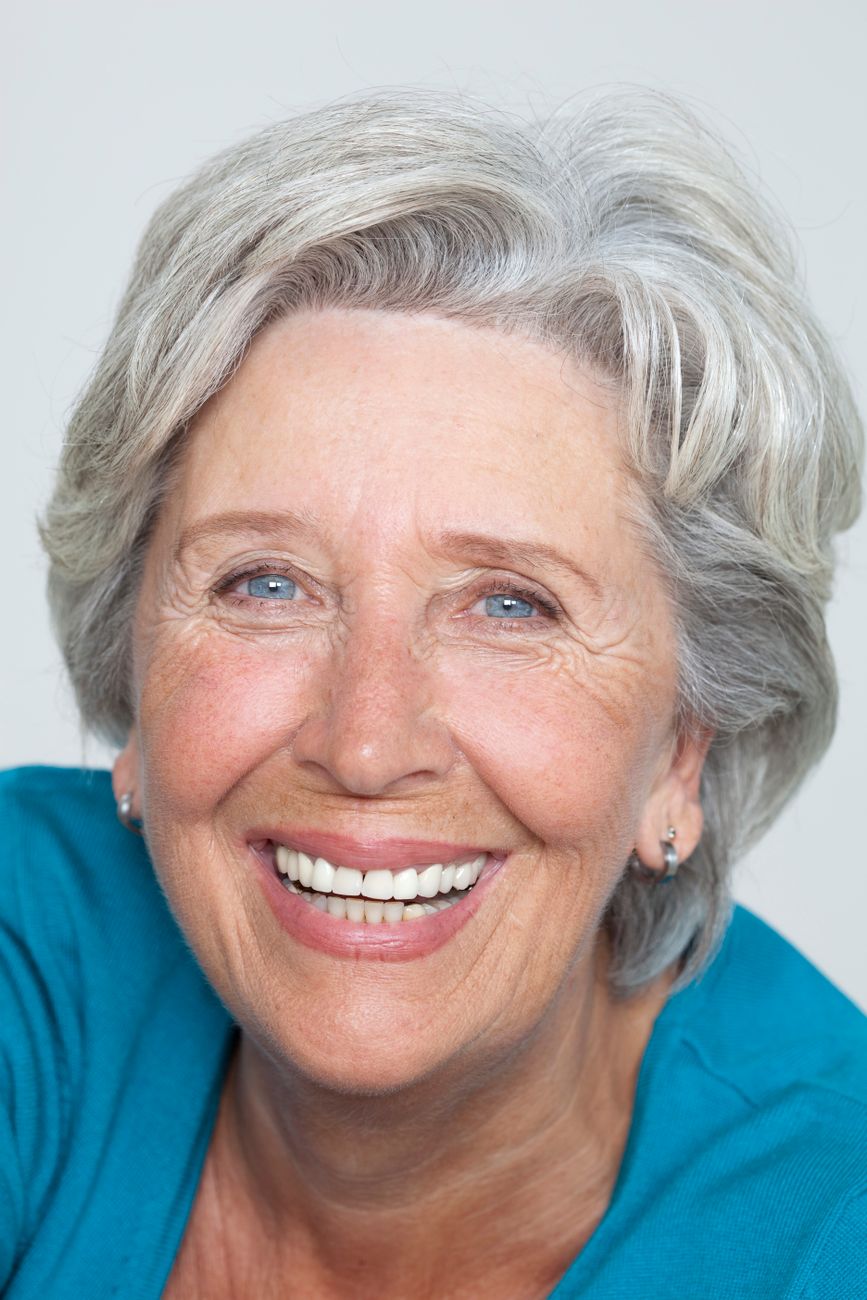
Gen X women watched their predecessors disappear from public life after 50 and collectively said no. They're keeping their grey hair, staying in leadership positions, launching businesses, and refusing the cultural exile that used to accompany menopause. This isn't performative aging gracefully—it's a deliberate occupation of space, whether that's C-suites, social platforms, or simply existing in rooms that expect women to vanish. The rebellion isn't in the aging itself; it's in the absolute refusal to apologize for it or step aside.