Monochrome dressing used to signal discipline. The Phoebe Philo acolytes, the Lemaire devotees, the people who treated beige like a moral position. But something shifted. Somewhere between the third wave of quiet luxury discourse and everyone realizing that "investment pieces" were just expensive things, all-over color stopped being aspirational. It became something else: a refusal.
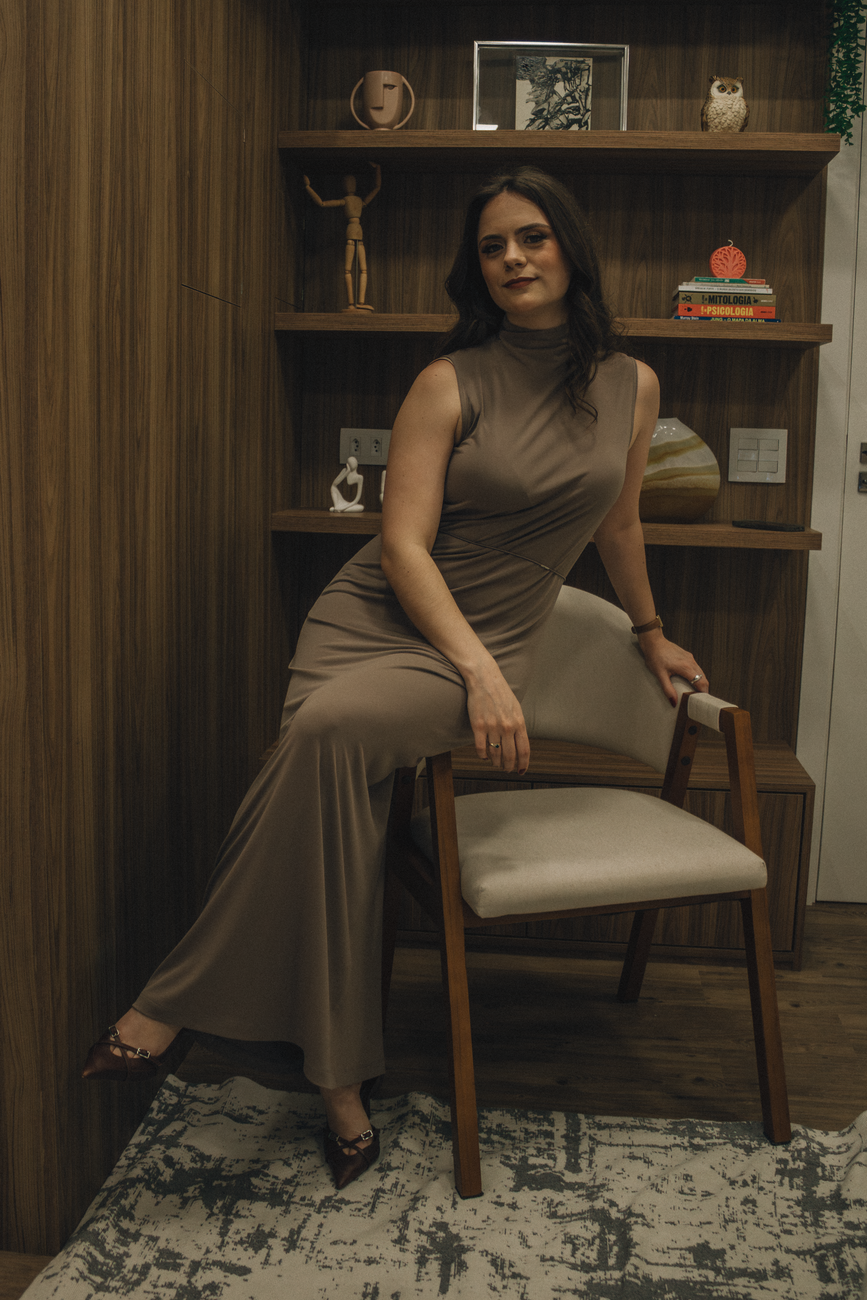
This isn't about looking expensive or polished. Total looks—head-to-toe black, unrelenting navy, that specific shade of taupe that photographs like surrender—have become the uniform of people who've opted out of fashion's central demand: to be looked at with interest. It's dressing as declination, style as strategic boredom. And it's spreading faster than any print or silhouette ever could.
1. The Anti-Statement Statement
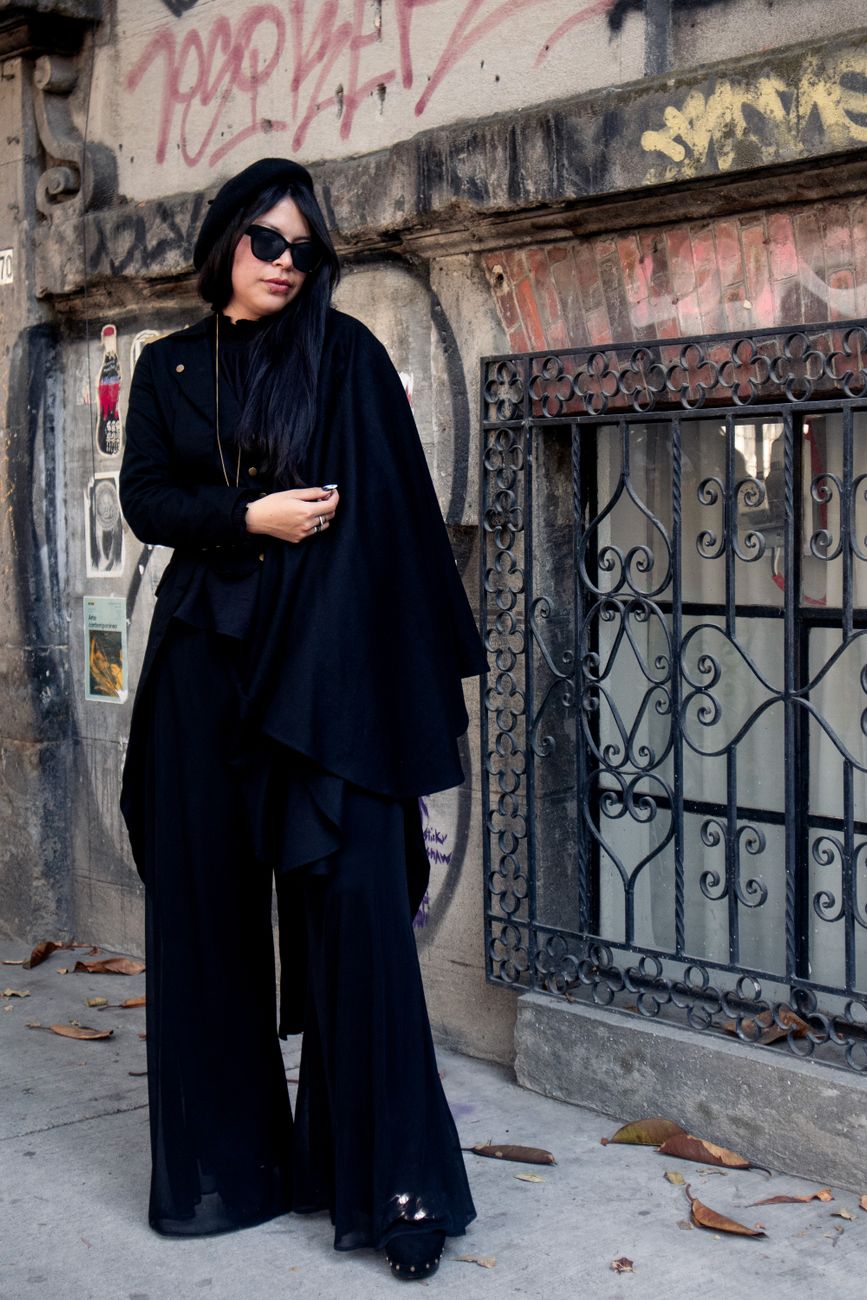
Wearing one color from neck to ankle used to read as considered. Now it reads as firewall. When everyone around you is signaling—with a bag, a shoe, a "fun" coat—the total look becomes the loudest thing in the room by refusing to participate. It's not minimalism. It's minimalism's sharper cousin who stopped answering questions about her choices.

2. Exhaustion Dressed as Intention
There's a specific kind of monochrome that isn't about curation—it's about conservation of energy. Same sweater, same trousers, same boots, zero cognitive load. The people doing this aren't building capsule wardrobes; they're building fortresses against decision fatigue. Fashion sold us endless choice, and this is what opting out looks like when you're too tired to perform taste.
3. When Boring Became Boundary-Setting
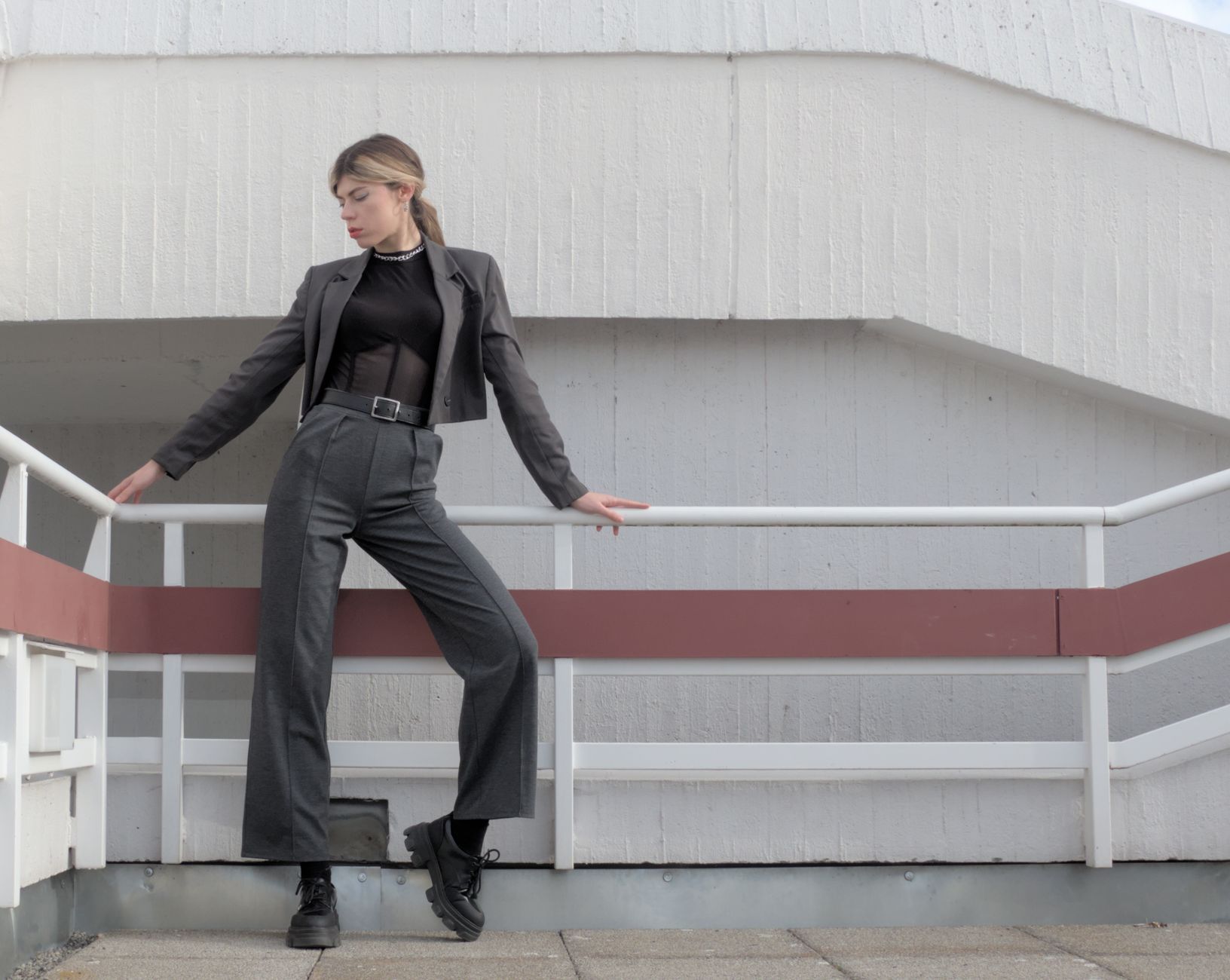
Monochrome has become a social technology. Wear enough uninterrupted charcoal and people stop asking about your outfit, your inspiration, your vibe. It's the sartorial equivalent of headphones on the subway—a signal that you're unavailable for commentary. In an era when everyone's a content opportunity, strategic dullness is the only privacy left.
4. The Death of the Pop of Color
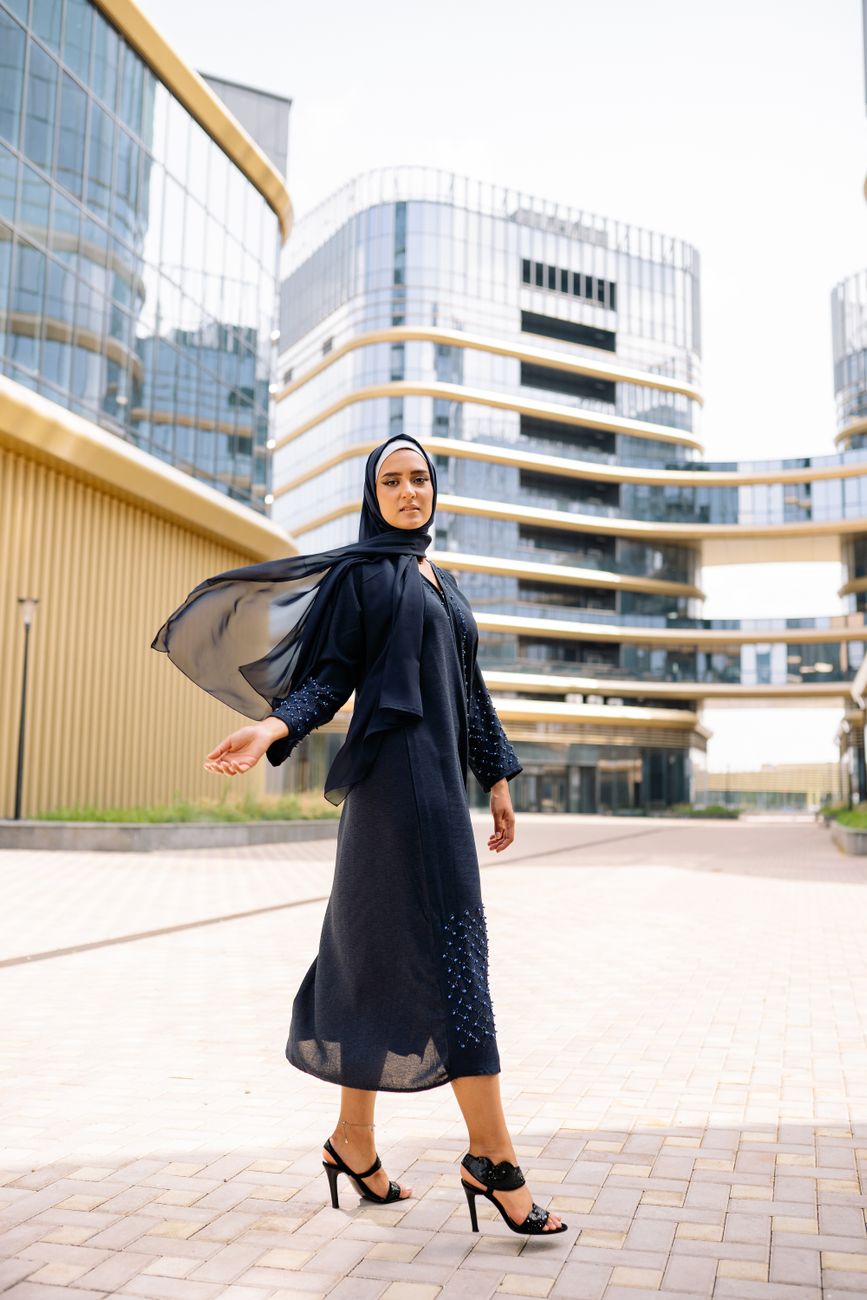
Remember when stylists insisted every outfit needed "a pop"? A red lip, a bright bag, something to "lift" the look? That advice has died quietly, killed by people who realized that pops of color are just scheduled interruptions. Total tonal dressing rejects the premise that you need to be interesting on someone else's terms. The refusal of the pop is a refusal of performance itself.
5. Uniform Theory Goes Civilian
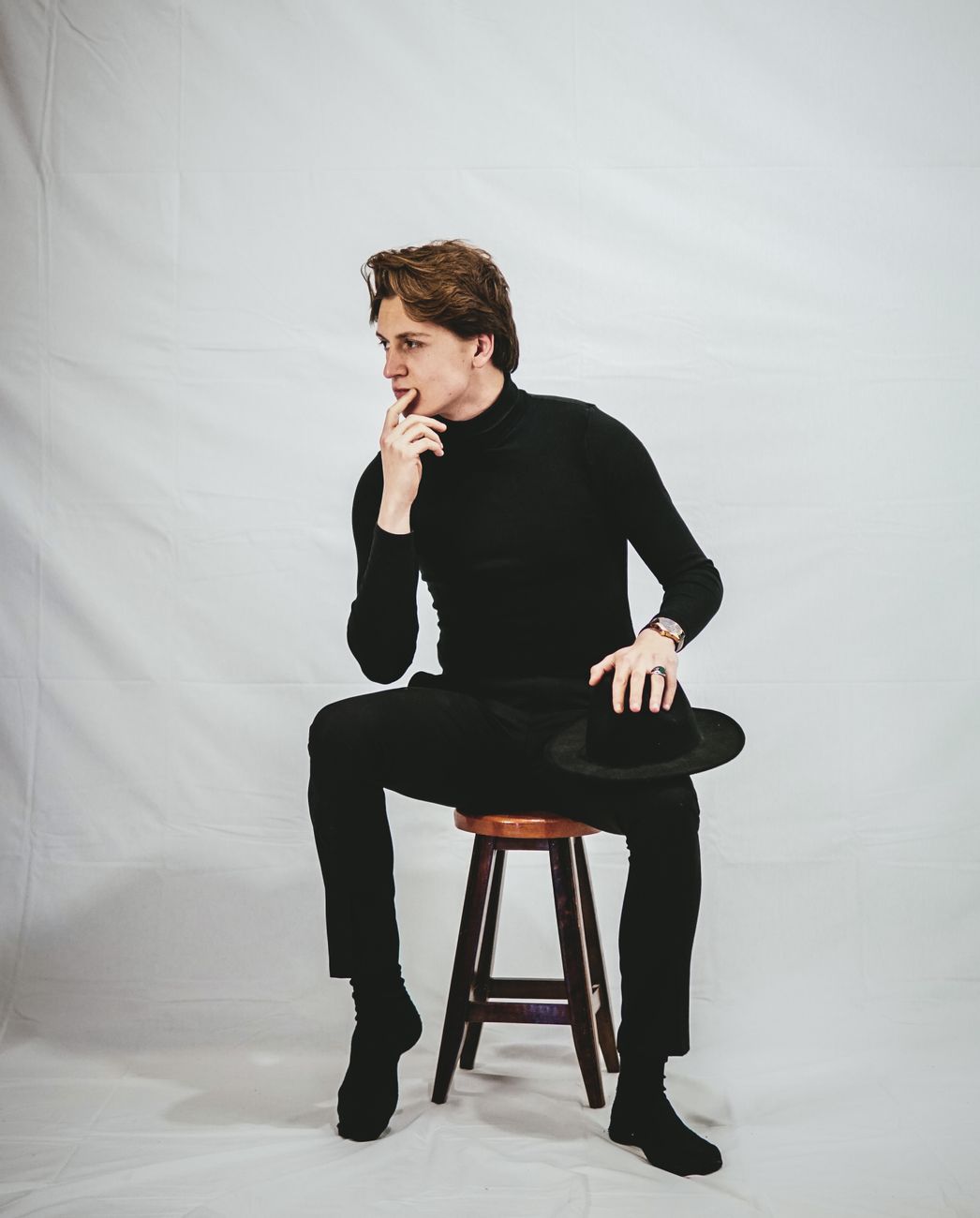
What tech founders did with their Patagonia vests, a wider cohort is doing with total looks—removing fashion from the daily equation entirely. But this isn't about productivity or focus. It's about rejecting fashion's central premise that what you wear should communicate who you are. These people have decided they'd rather communicate nothing at all.

6. Monochrome as Class Camouflage
Dressed entirely in one color, expensive and cheap blur together. That all-brown outfit could be The Row or it could be Uniqlo, and from ten feet away, no one can tell. In a moment when displaying wealth has become uncomfortably complicated, monochrome offers plausible deniability. You're not hiding your class position—you're just not making it easier to read.
7. The Algorithm Hates It
Total looks photograph terribly for social media. No contrast, no focal point, nothing for the eye to grab. Which might be exactly the point. As fashion became increasingly optimized for the scroll, some people started dressing specifically against it. Monochrome is low-resolution by design, refusing to play well with engagement metrics. It's what you wear when you're done being content.
8. Boredom as Luxury Position
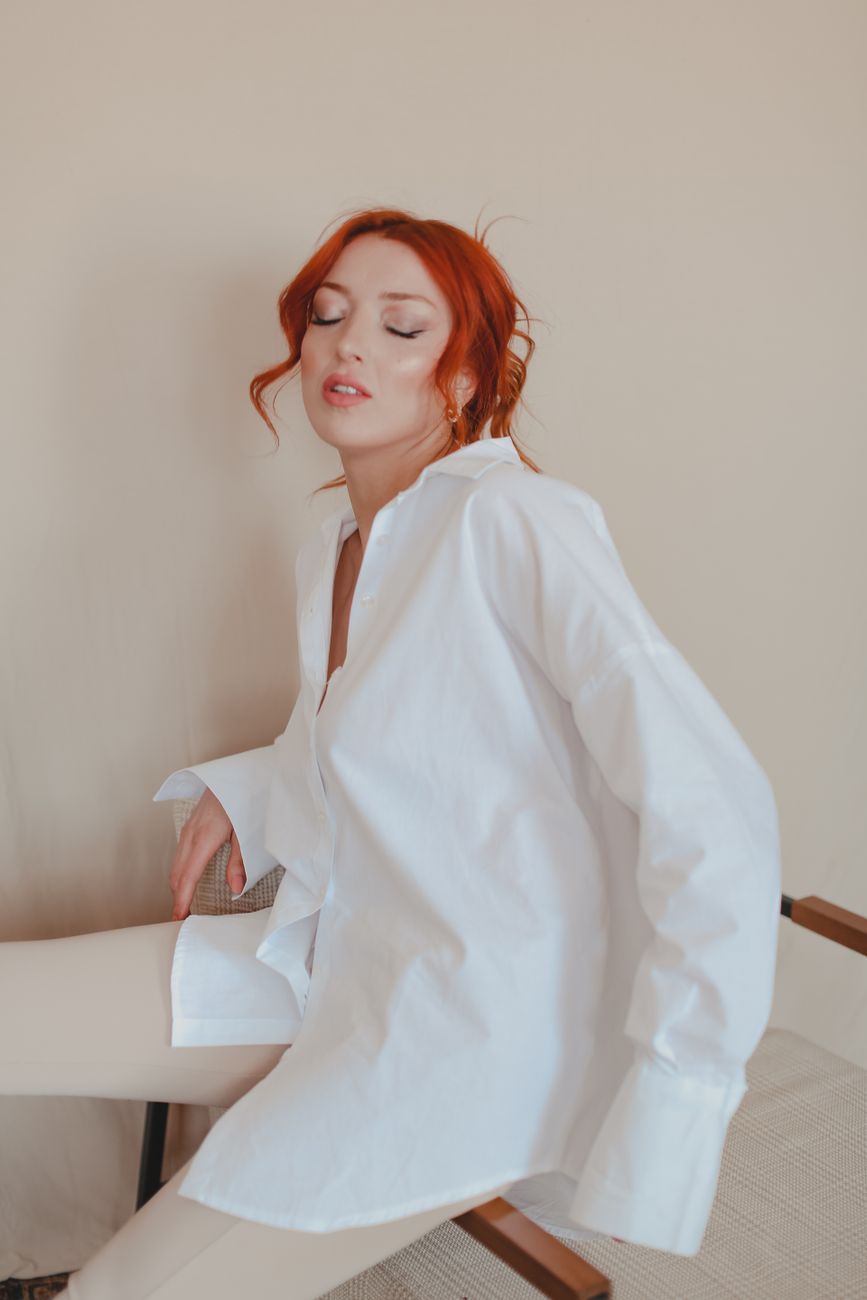
The ability to be boring is, perversely, now a privilege. When your job doesn't require you to be "on brand," when you're not building a personal platform, when you've exited the attention economy entirely—that's when you can afford to dress like this. Monochrome has become the uniform of people who no longer need to be perceived as anything in particular. And in 2025, that's the ultimate flex.