The polo shirt was supposed to stay in its lane—golf courses, yacht clubs, the occasional tech founder's wardrobe. But designers have stripped it of every comfort cue it once promised. What's emerging is rigid, abbreviated, and deliberately confrontational.
This isn't about heritage or sport anymore. The new polo uses starch like scaffolding, crops hems with surgical precision, and treats fabric like a material for building rather than draping. It's leisurewear that refuses to be leisurely.
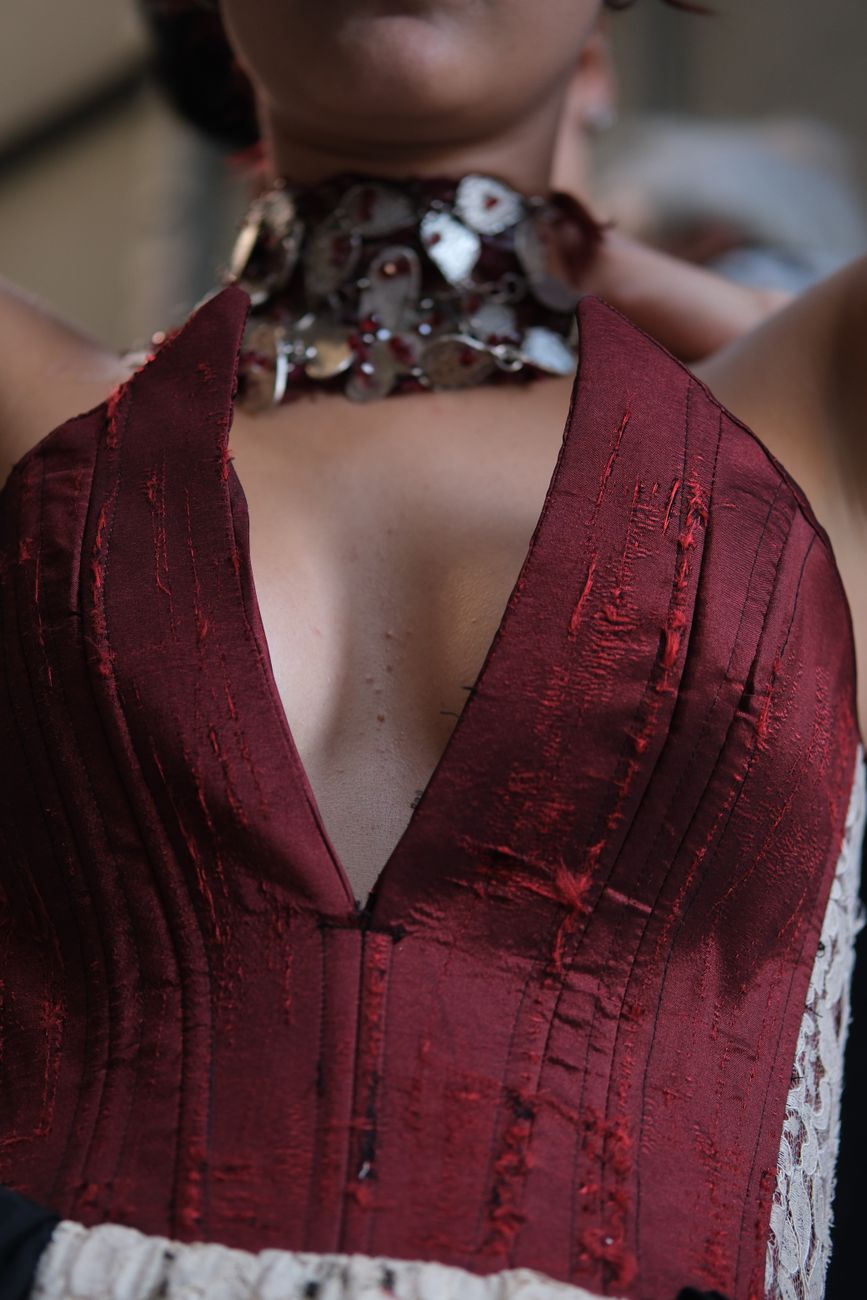
Collars Stand at Ninety-Degree Angles
Designers are engineering collars that defy gravity and good sense. These aren't the soft, folded collars of tennis whites—they're starched, wired, and sometimes bonded until they frame the face like brutalist architecture. Brands like Issey Miyake and Loewe have shown polos where the collar is the entire statement, towering inches above the neck and holding its shape whether you're sitting, standing, or questioning your choices. The effect is somewhere between origami and armor.

Hems Stop Above the Natural Waist
The polo has been aggressively abbreviated, ending well above where any reasonable shirt should. We're seeing hems that hit mid-rib, exposing stretches of torso that country clubs definitely didn't prepare us for. This isn't the accidental crop of a shrunken vintage find—it's intentional, often paired with high-waisted trousers or worn alone with the kind of confidence that suggests you know exactly how unsettling it looks. Prada's SS24 collection made the case that a polo doesn't need to cover much to make an impression.

Fabric Gets the Resin Treatment
Cotton piqué has been replaced—or at least heavily treated—with finishes that make the fabric hold shapes it was never meant to. Resin coatings, bonding techniques, and structured knits turn what was once soft and breathable into something closer to molded plastic. The result is polos that don't drape or relax but stand independent of the body wearing them. Brands are chasing a look that reads as manufactured and unapologetic about it, where the garment's rigidity becomes the point rather than a flaw.
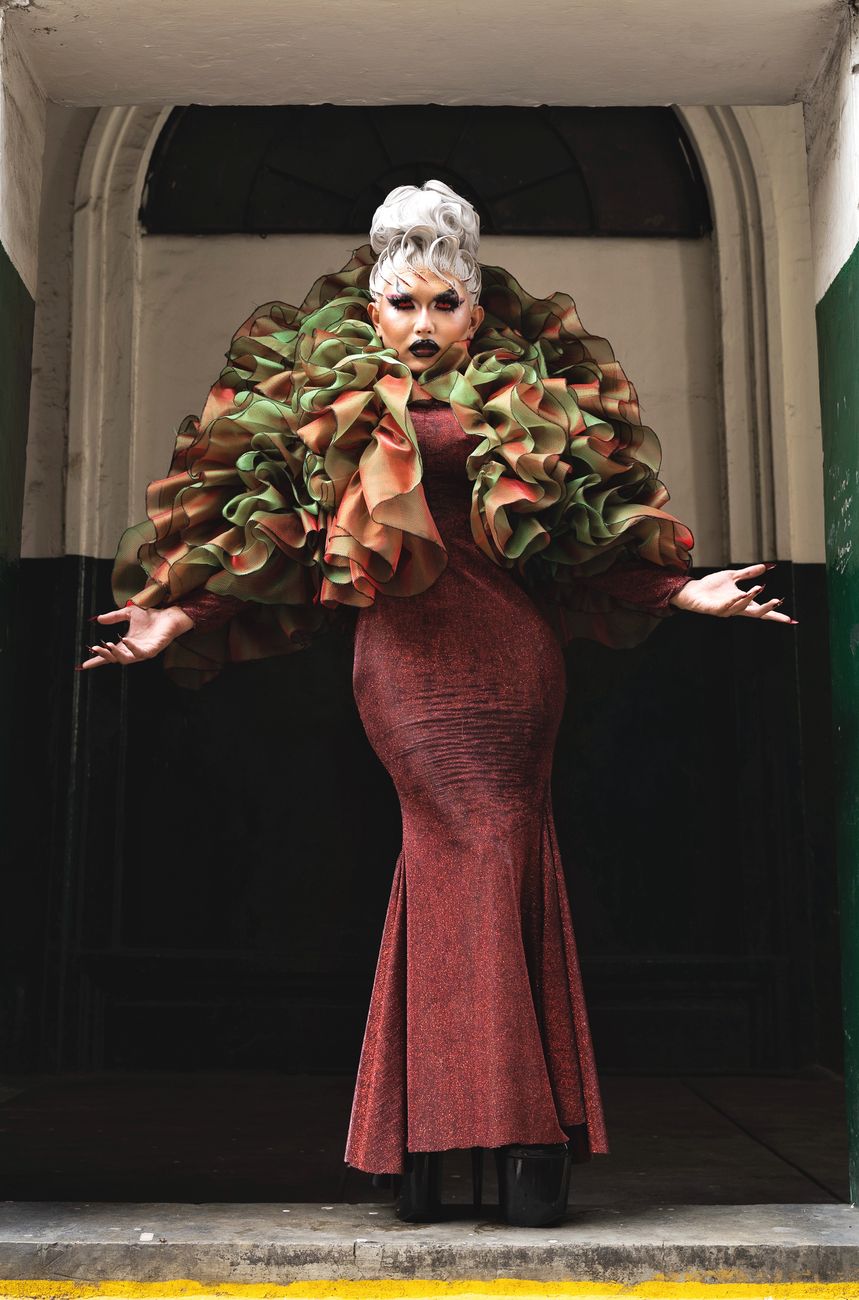
Sleeves Extend Into Geometric Experiments
The polo sleeve—traditionally a modest, set-in affair—has been reimagined as an opportunity for spatial disruption. We're seeing sleeves that jut outward in sharp triangles, balloon into structured volumes, or get sliced into asymmetrical fragments. Some designers are removing them entirely while leaving the suggestion of where they should be, creating negative space that's more interesting than fabric. It's a rejection of the polo's athletic origins in favor of something that looks like it came from a design studio rather than a locker room.

Color Palettes Go Clinical
Forget the Easter pastels and striped brights that defined polo tradition. The architectural polo arrives in antiseptic whites, concrete grays, and the occasional surgical blue. These colors reinforce the garment's new identity as something technical and unfeeling rather than casual and approachable. When color does appear, it's often in flat, industrial tones that suggest laboratory environments more than leisure activities. The shift in palette makes it clear this isn't your father's golf shirt—it barely wants to be a shirt at all.