Sheer has lost interest in its own provocation. What spent decades operating as fashion's most reliable shock tactic—the see-through blouse designed to make people look twice—has quietly recalibrated its ambitions. Transparency no longer wants to expose. It wants to build.
From Prada's geometric mesh panels to The Row's layered organza shirting, sheer fabrication has become a material conversation about construction rather than revelation. The body underneath has become secondary to the interplay of weights, the shadow-play between opaque and translucent, the architectural tension in a garment that refuses to behave like conventional cloth. Eight things happening as sheer stops performing seduction.

Sheer fabric now functions as structural layering, not final exposure
Designers are treating transparent materials as foundational elements rather than finishing statements. Sheer panels appear beneath heavier fabrics, between opacity levels, creating dimensional depth that has nothing to do with showing skin. The game is about material contrast and spatial relationships—how a mesh layer changes the drape of wool, how organza stiffens a collar's architecture. This isn't transparency for the sake of seeing through; it's transparency as structural engineering.
Opacity gradients replace the binary of covered versus exposed
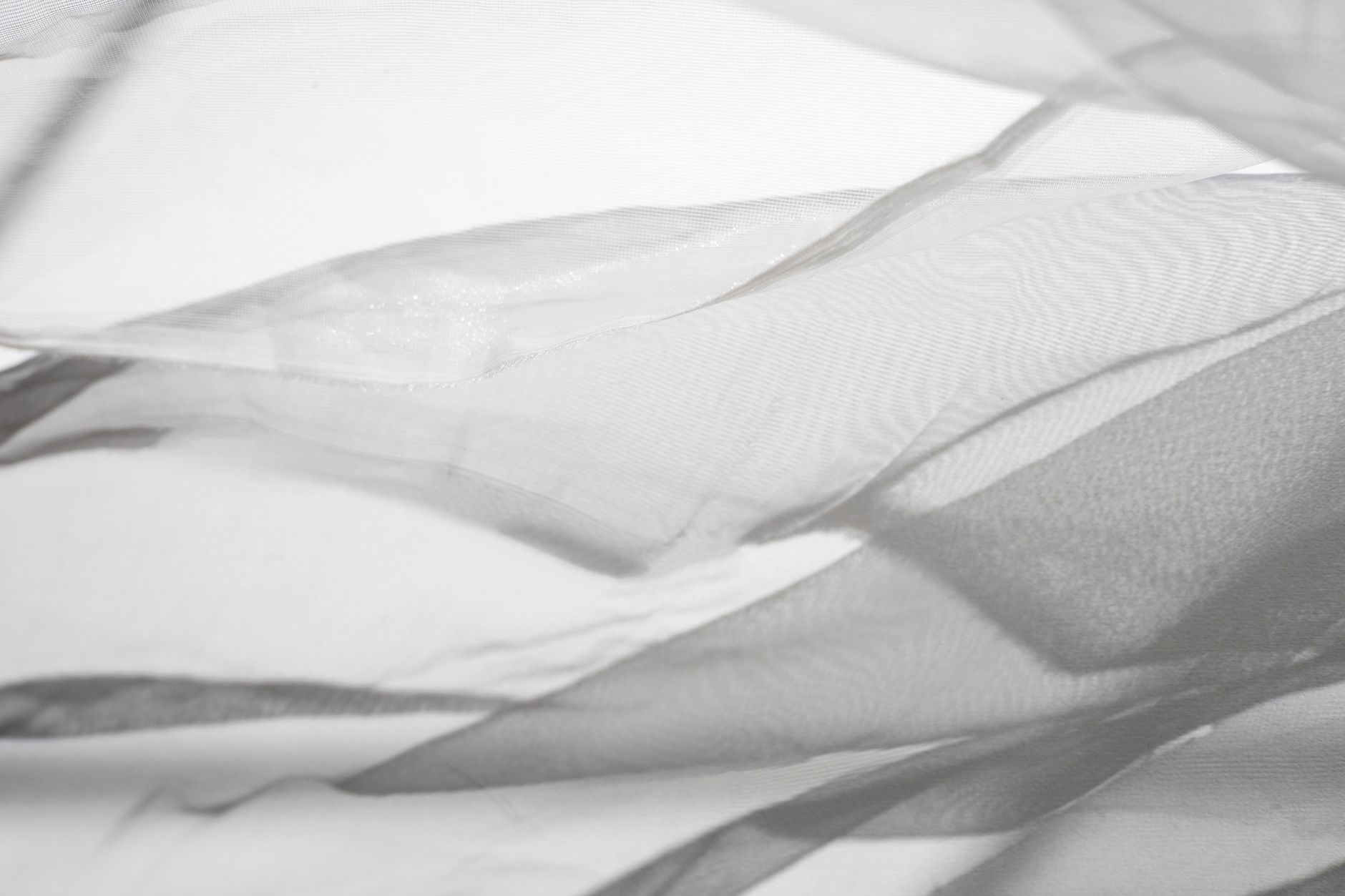
The new sheer vocabulary speaks in degrees, not absolutes. Garments move through zones of visibility—dense at the shoulder, loosening at the sleeve, opaque at the torso, vaporous at the hem. This gradient approach eliminates the cheap tension of "will she or won't she" dressing. Instead, it creates visual rhythm through material modulation, where the interest lives in the transitions themselves rather than what they reveal.

Technical meshes have replaced delicate tulles in the sheer hierarchy
The materials themselves have shifted from romantic to industrial. Where sheer once meant silk chiffon and Chantilly lace—fabrics coded feminine and fragile—current iterations favour engineered meshes, bonded technical weaves, laser-cut synthetic organzas. These fabrics hold shape, create structure, refuse to behave softly. They reference sportswear, protective gear, industrial filtration. Transparency has borrowed its new vocabulary from performance textiles, not lingerie.
Sheer elements now appear in tailoring, not just evening wear
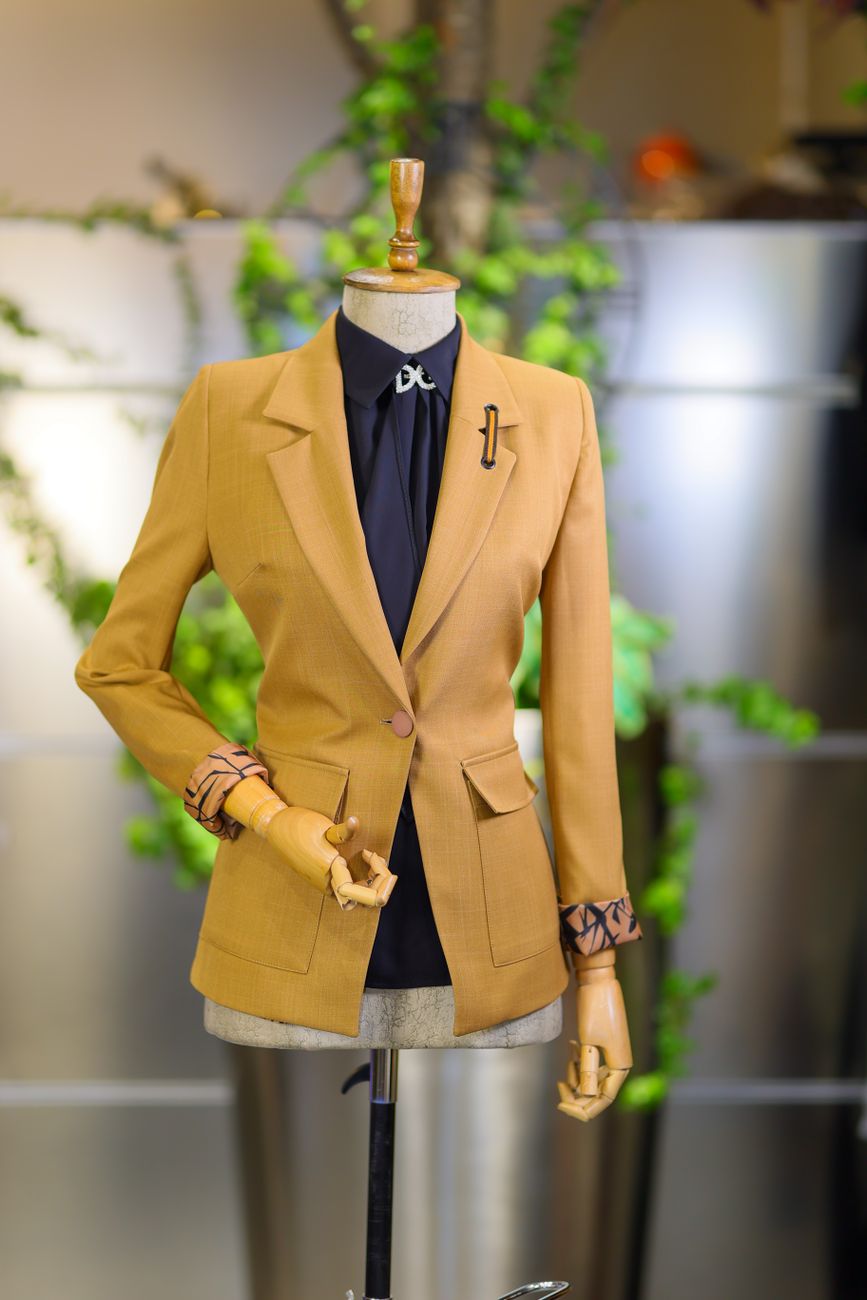
Transparency has migrated from its traditional habitat—the cocktail dress, the evening gown—into daylight tailoring. Mesh inserts in blazer construction, organza shirt panels in suiting, translucent raincoats layered over office clothes. This relocation strips sheer of its occasion-specific seduction coding. When transparency appears in a Tuesday morning context, it can't operate as special-event provocation. It becomes simply another material choice, no more inherently sexual than cotton poplin.
Undergarments are now designed to be seen as part of the composition
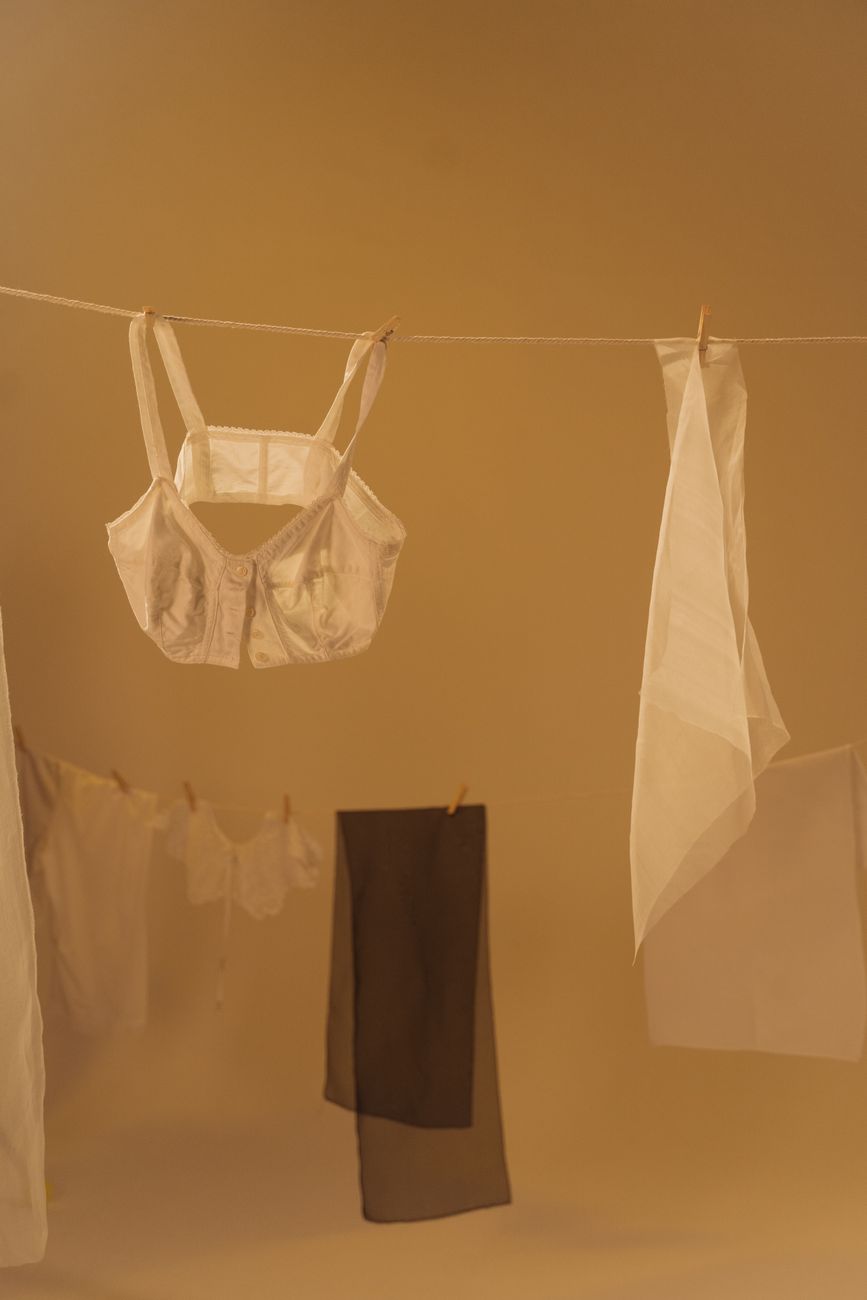
The styling strategy has flipped from concealment anxiety to intentional exposure. Rather than agonizing over invisible bras and seamless solutions, the current approach treats undergarments as visible compositional elements—structural bralettes in contrasting colours, bandeau tops as graphic blocks, sports bras as foundational shapes. The sheer outer layer isn't trying to create the illusion of nakedness; it's deliberately framing what's beneath as part of a calculated visual equation.
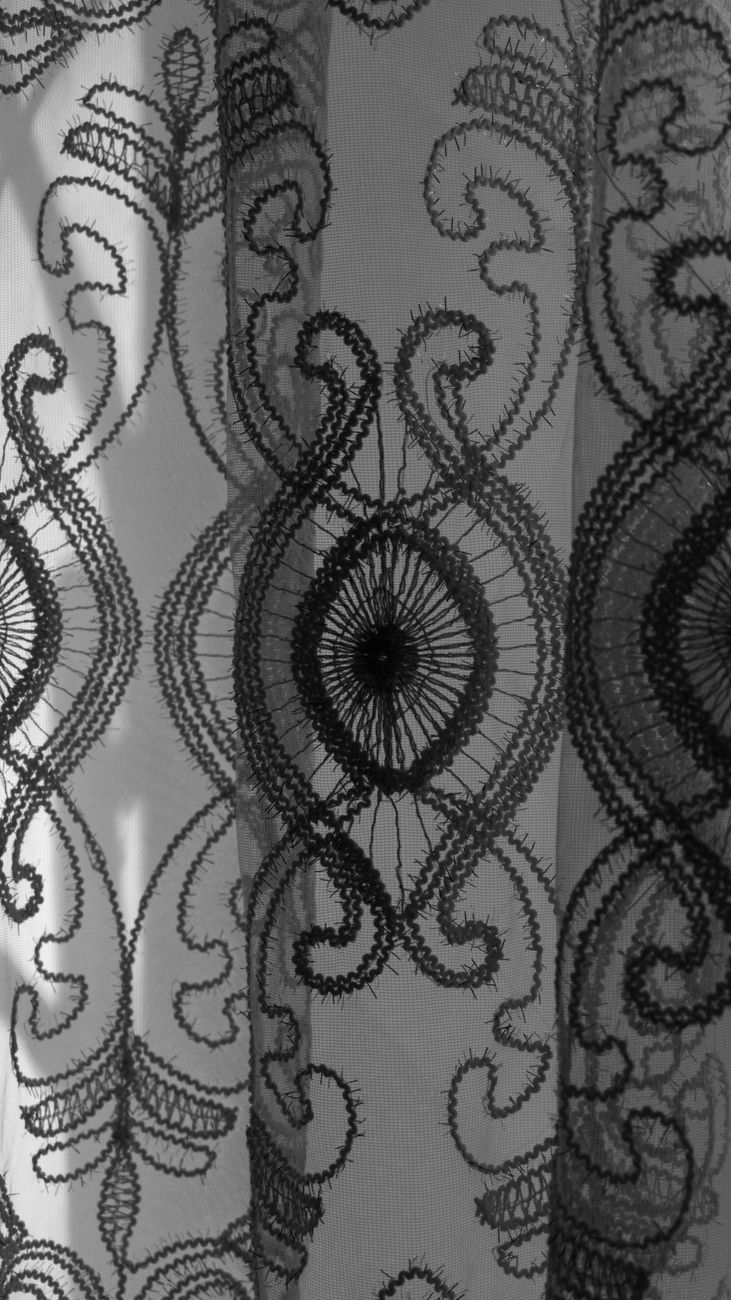
Pattern and texture have replaced flesh as the point of focus
When contemporary sheer garments do feature embellishment, the embroidery, appliqué, or textural manipulation becomes the primary visual subject, not the body underneath. Dense beading that creates opaque zones, three-dimensional floral applications, burnout patterns that play with positive and negative space. These surface treatments redirect the eye to the garment itself as object, making the skin beneath simply background, the canvas rather than the content. The spectacle has moved from body to craft.
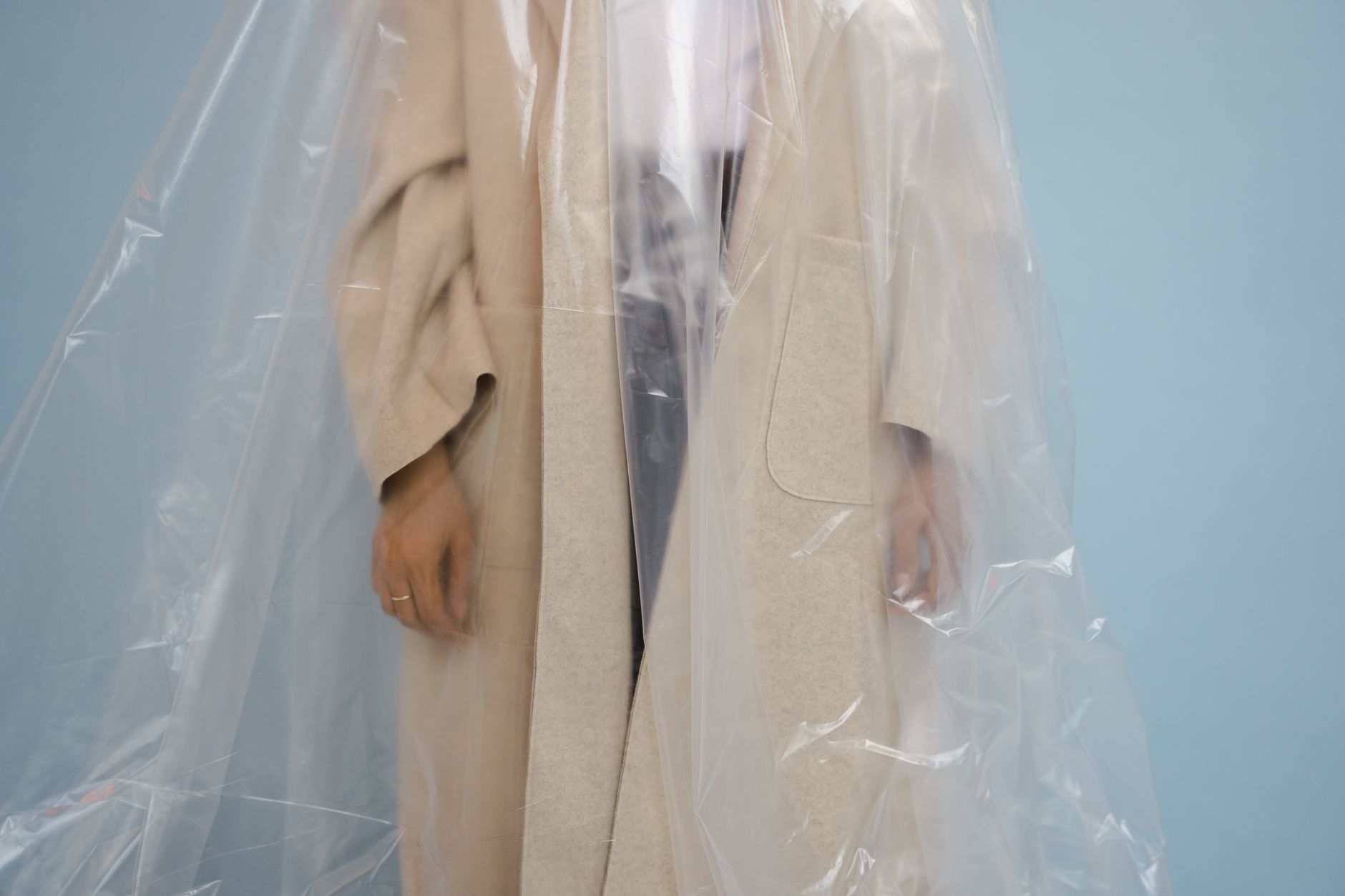
Sheer garments are increasingly worn as outerwear, not underlayers
The positional shift is crucial. Sheer pieces are claiming the outermost position—transparent trenches, organza bombers, mesh dusters functioning as the final layer. This reversal of the traditional layering hierarchy, where sheer was always closest to skin, fundamentally alters the garment's meaning. As outerwear, transparency becomes protective architecture, a permeable boundary between body and environment. It's closer to a spatial installation than an item of clothing designed for exposure.

Minimal styling has replaced maximalist sexiness in sheer presentations
The editorial and runway context for sheer has adopted an almost clinical neutrality. Flat shoes instead of heels, hair pulled back rather than tousled, minimal makeup, unfussy jewelry. This deliberate de-sexualization of the styling apparatus allows the garment's structural qualities to register as the primary message. When you remove the conventional signifiers of seduction—the smoky eye, the red lip, the stiletto—transparency can no longer coast on innuendo. It has to justify itself as design.
- Sheer fabric now functions as structural layering, not final exposure
- Opacity gradients replace the binary of covered versus exposed
- Technical meshes have replaced delicate tulles in the sheer hierarchy
- Sheer elements now appear in tailoring, not just evening wear
- Undergarments are now designed to be seen as part of the composition
- Pattern and texture have replaced flesh as the point of focus
- Sheer garments are increasingly worn as outerwear, not underlayers
- Minimal styling has replaced maximalist sexiness in sheer presentations