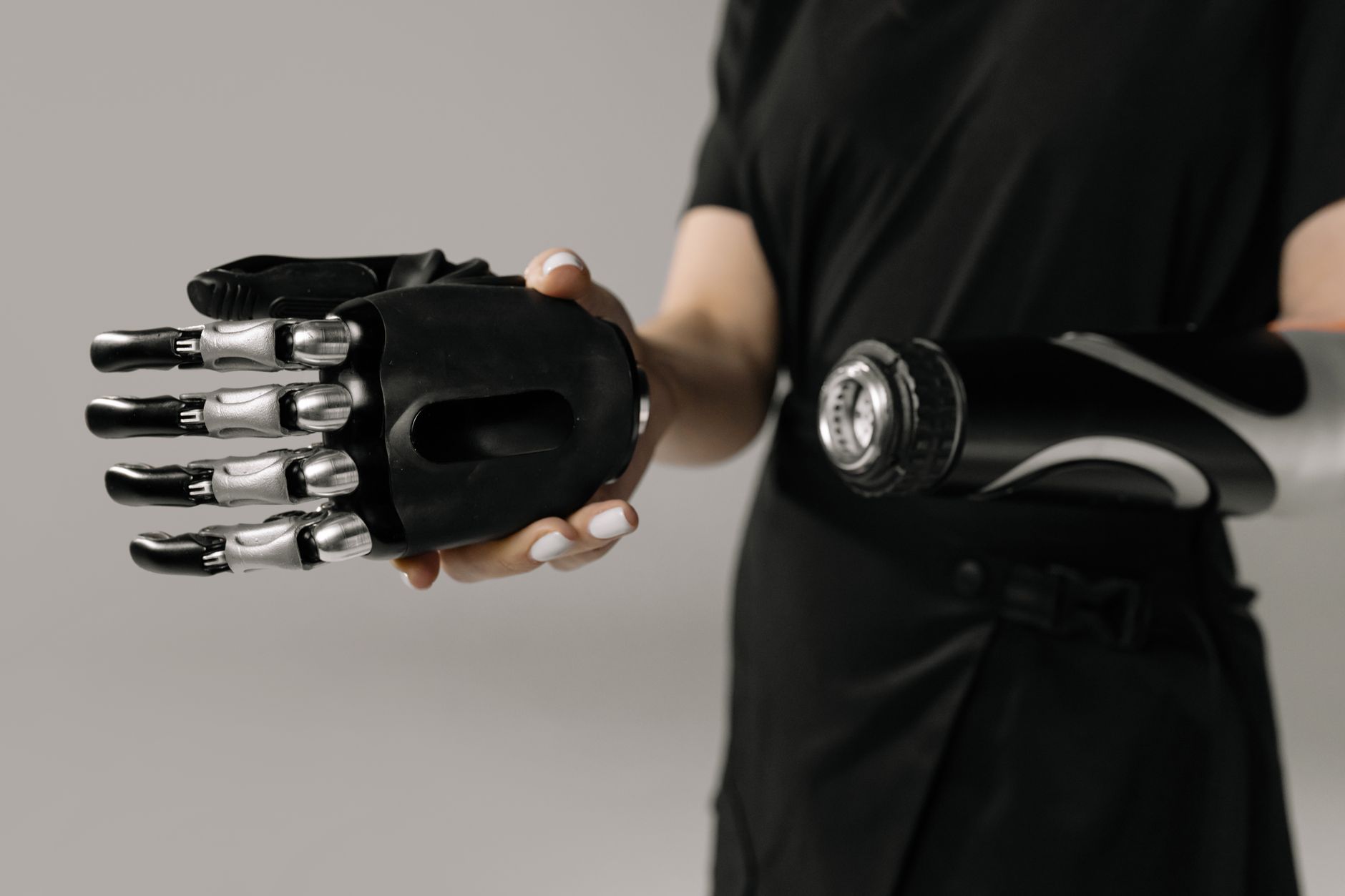
Nobody signed off on this. One season, shoes came complete. The next, they demanded an entirely separate transaction for what goes inside them. The footwear industry executed one of retail's smoothest divorces, splitting the shoe from the sock without asking permission, turning a once-unified purchase into a two-part commitment.
What started as athletic brands selling expensive sneakers alongside even more expensive "performance socks" became standard across every category. Now boots, loafers, heels—everything arrives hollow, expecting you to source your own lining. The result isn't just an extra line item. It's a wholesale shift in how we think about getting dressed, with hosiery emerging as its own status category worth buying into.
The Premium Sock Economy Exploded Overnight
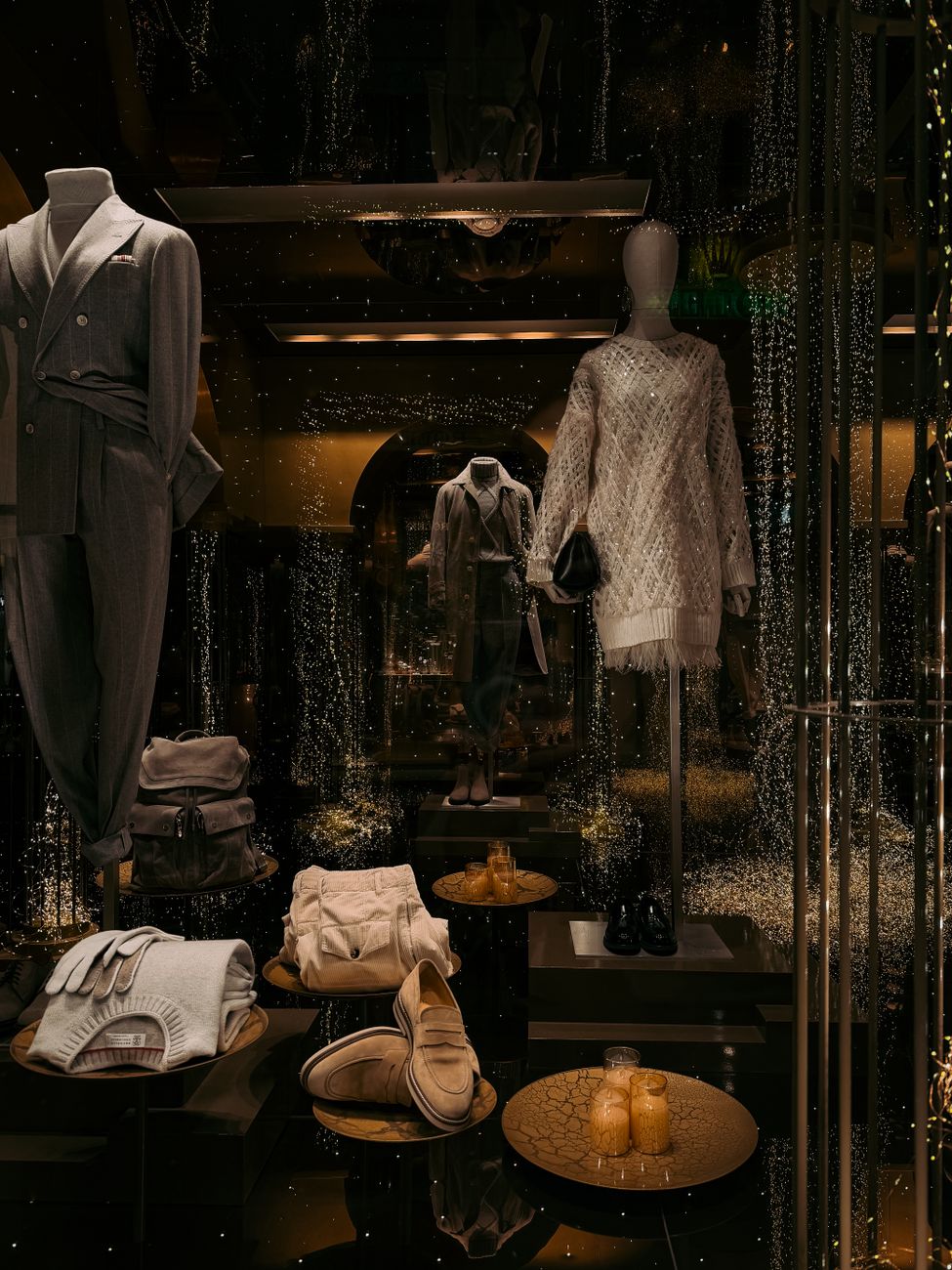
Socks became their own luxury vertical the moment shoes stopped including them. Brands like Bombas and Stance built eight- and nine-figure businesses on what used to be an afterthought. Now dedicated sock boutiques occupy prime retail real estate, selling $40 pairs with the same reverence galleries reserve for limited prints. The margins are staggering, the brand loyalty fierce, and the average price per pair has tripled in a decade.
Sneaker Culture Created the Template
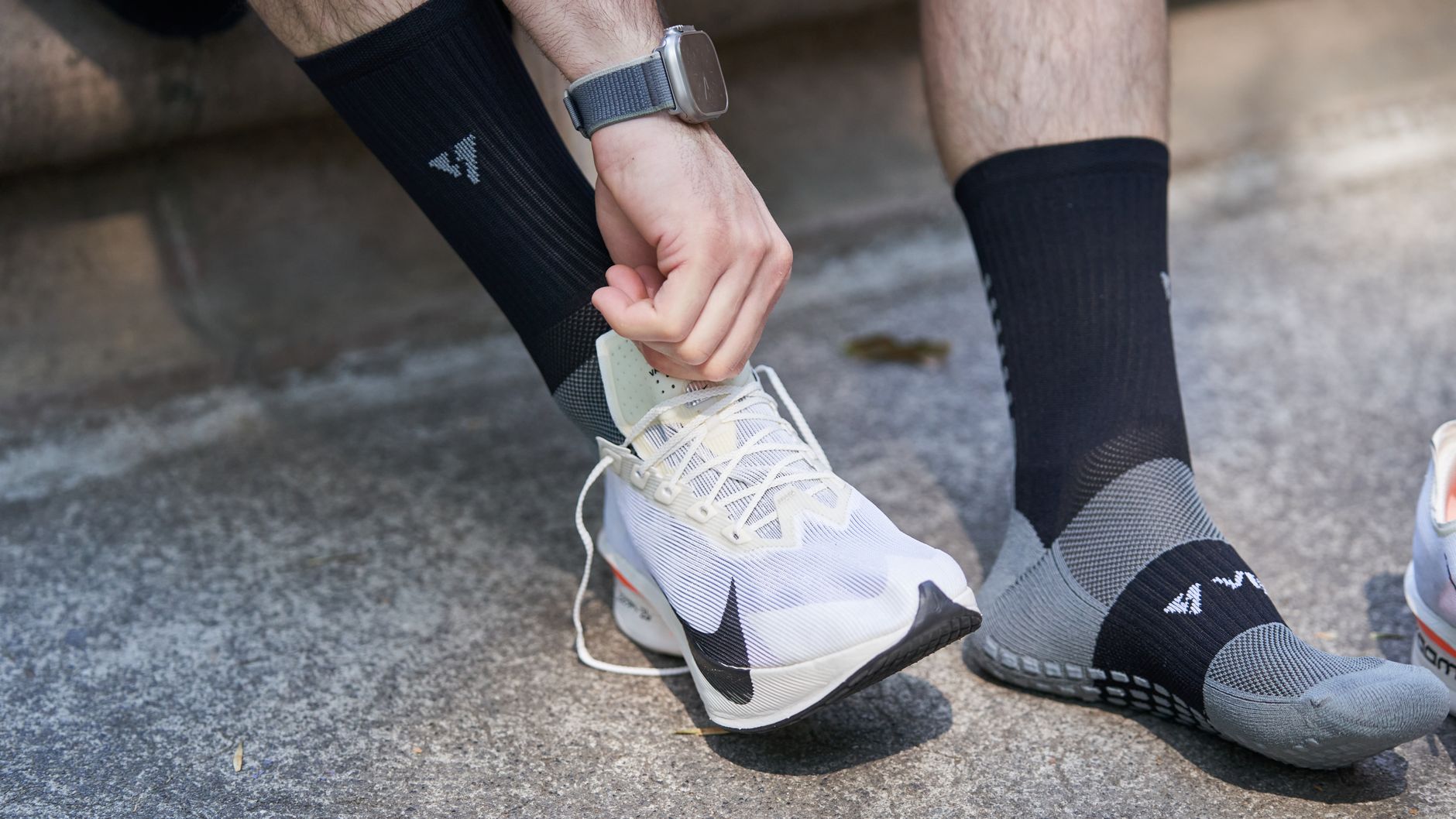
Performance footwear brands convinced an entire generation that the right sock was half the shoe's function. Nike, Adidas, and Lululemon didn't just suggest coordinating hosiery—they engineered proprietary weaves and compression zones that made their $200 sneakers feel incomplete without $28 socks. What worked in sportswear became doctrine everywhere else. Now even dress shoe brands suggest specific sock pairings like sommeliers pushing wine.
Visible Sock Lines Became the New Accessory
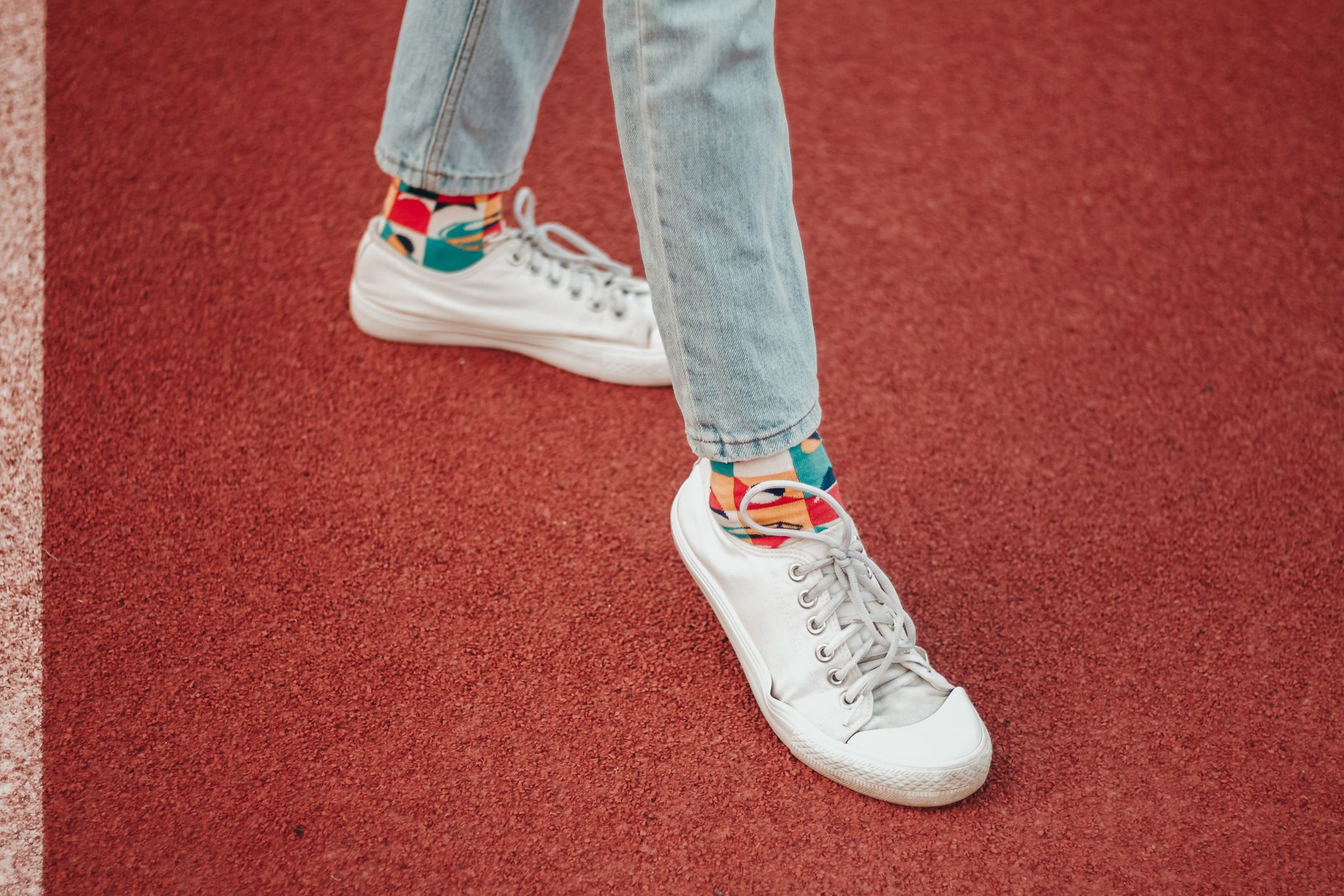
Once socks required separate consideration, they demanded separate expression. That sliver of fabric between shoe and hem became the most contested real estate in an outfit. Bright patterns, clashing textures, deliberately mismatched pairs—the tiny rebellion of visible socks turned into a whole aesthetic language. Fashion moved the statement from the shoe to what you wear inside it, and suddenly your sock drawer required as much curation as your closet.
Footwear Subscriptions Capitalized on the Separation
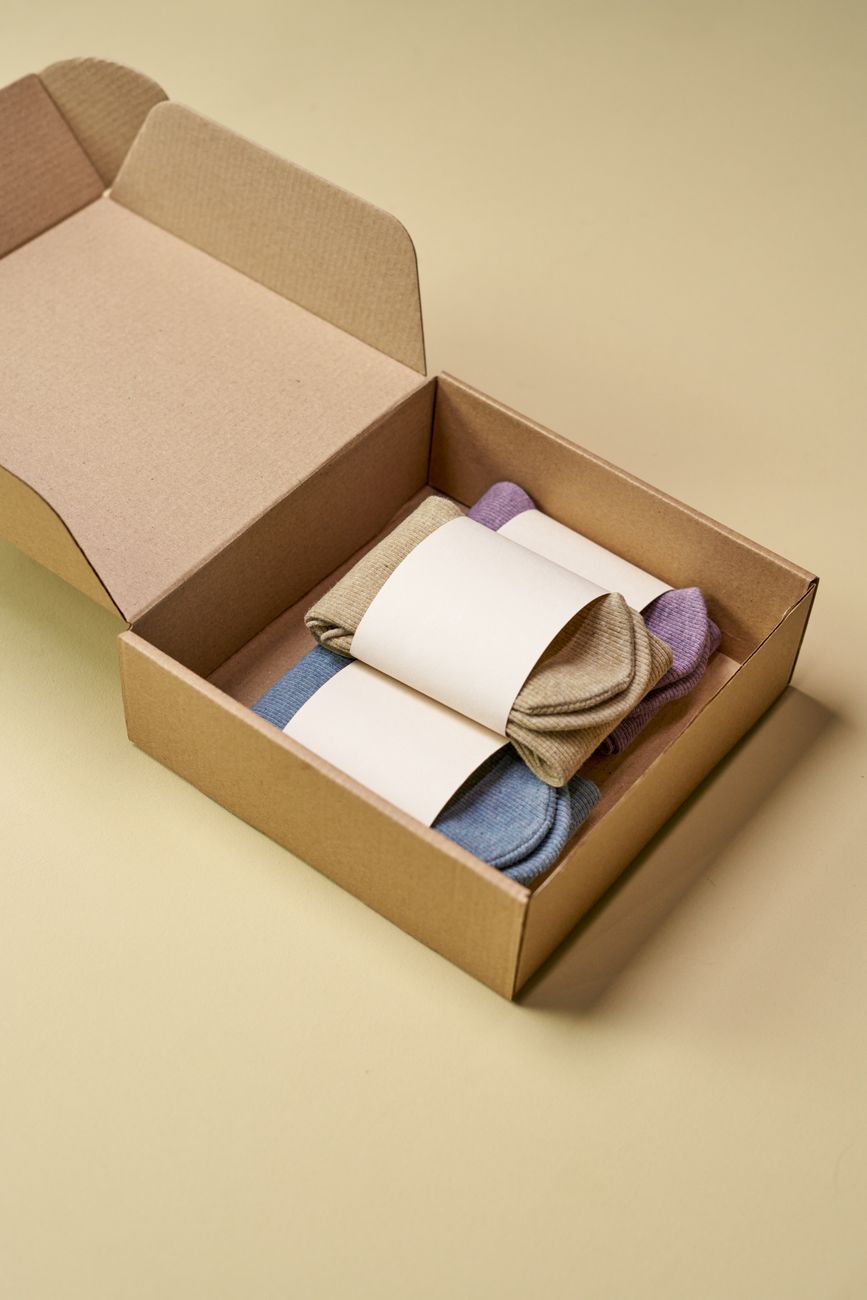
The moment socks became their own category, subscription services materialized to automate the anxiety. Monthly sock deliveries turned a forgotten necessity into recurring revenue, with companies like Foot Cardigan and Say It With A Sock converting the hassle of rebuying into algorithmic convenience. The subscription model works because the unbundling created a gap—something that used to be handled once now requires constant replenishment, and brands lined up to fill it.
Sustainability Arguments Justified the Split
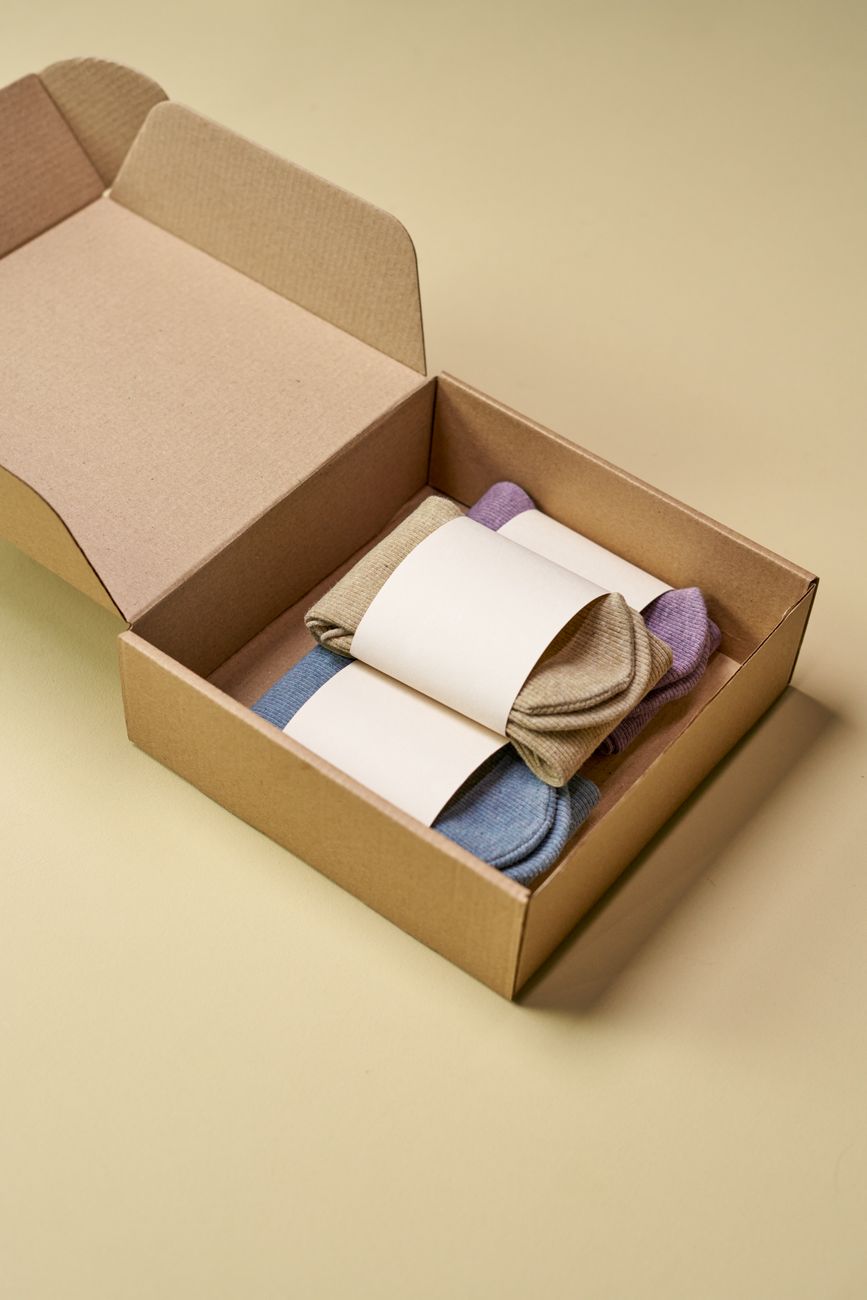
The industry's official line: separating socks from shoes reduces waste, since hosiery wears out faster and deserves its own replacement cycle. Brands positioned the unbundling as environmental consciousness, letting you refresh socks without discarding shoes. It's a convenient narrative that happens to double revenue streams. Whether it's actually greener depends entirely on whether you buy into the logic that two separate purchases somehow create less consumption than one complete product.