The average wellness enthusiast now takes seventeen supplements daily. Seventeen. Morning stacks photographed for Instagram, afternoon boosters, evening wind-down rituals—all requiring research, purchasing decisions, and the kind of organizational skills previously reserved for air traffic controllers. What started as taking a multivitamin has metastasized into a part-time job with no salary and questionable returns.
The supplement industry, now worth $177 billion globally, has successfully convinced an entire generation that basic human functioning requires constant biochemical intervention. We've pathologized normal energy dips, criminalized stress, and decided that unless our bodies perform at venture-capital-funded-startup levels of productivity, we're doing it wrong. The result: wellness has become indistinguishable from work.

Supplement stacks have replaced morning routines
The ritual has become absurdly complex: adaptogens before coffee, probiotics on an empty stomach, fish oil with breakfast but never with fiber, magnesium that can't be taken within two hours of zinc. People set alarms to remember their supplement schedules. The irony of adding stress to reduce stress seems lost on everyone involved. What began as self-care has become another optimization project, complete with spreadsheets and biohacking forums debating absorption rates at 2 AM.
Influencer blood panels created diagnostic hypochondria
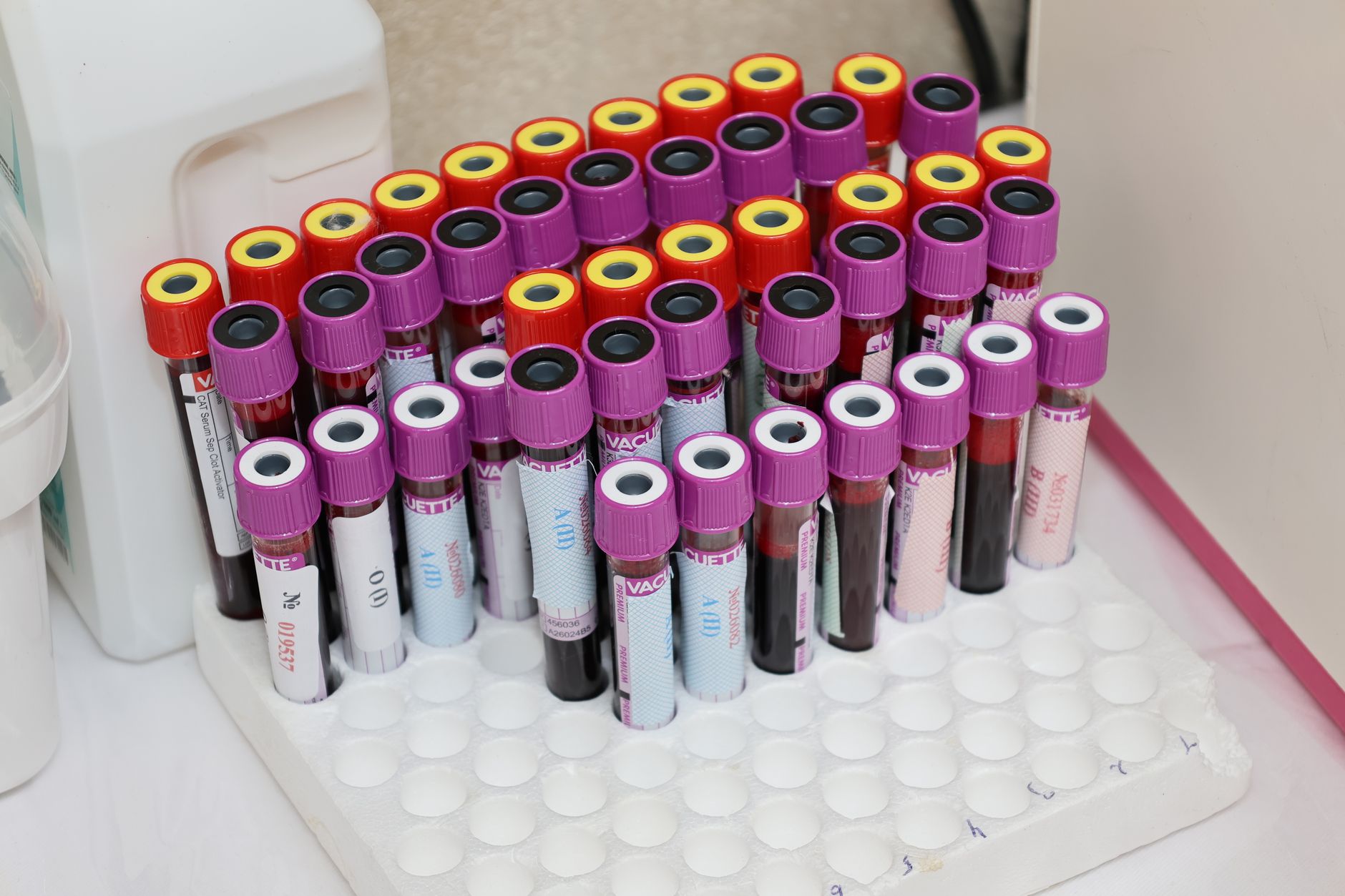
Wellness influencers have turned routine blood work into content gold, posting their results with the gravity of a cancer diagnosis. Suddenly everyone has subclinical deficiencies requiring immediate supplementation. Vitamin D a few points below optimal? Thyroid antibodies detectable but normal? Ferritin not at the exact number some podcast guest mentioned? The supplement industry has created problems where none existed, pathologizing the ordinary variance of human biology and selling the cure.

Personalized protocols mean nobody knows what they're doing
The promise of bio-individuality has devolved into paralysis. Every body is different, every expert contradicts the last one, and personalization has become an excuse for throwing everything at the wall. People take ashwagandha because it worked for someone's cortisol, then add rhodiola because another influencer swears by it, then wonder why they feel worse. The personalization narrative has created a market where trial and error is rebranded as "finding what works for your unique biology"—a convenient excuse for an industry with minimal regulation and maximum profit margins.

The supplement-to-symptom pipeline is perfectly designed
Tired? There's a supplement. Anxious? Different supplement. Can't sleep because you're anxious about being tired? Two more supplements. The industry has created an elegant closed loop: modern life creates legitimate stress and exhaustion, supplements promise relief, the complexity of managing supplements creates more stress, requiring more supplements. Nobody stops to ask whether the root problem might be systemic—overwork, inequality, climate anxiety—because individual biochemical optimization is easier to sell than societal change.

Wellness credentials now require a graduate degree
Understanding supplement interactions now demands fluency in biochemistry, familiarity with PubMed, and the ability to distinguish between industry-funded studies and actual science. The cognitive load is staggering. People spend hours researching methylated B vitamins versus synthetic forms, bioavailability of different magnesium compounds, and whether their genetic variants affect folate metabolism. This isn't wellness. This is unpaid labor for an industry that's successfully outsourced quality control to consumers while collecting their money.