Somewhere between the heroin chic of the '90s and Instagram's algorithm optimizing for skin, the bra strap stopped apologizing. What was once grounds for a whispered bathroom intervention—"Your strap is showing"—became the entire point. Not peeking out accidentally, but engineered into the garment's very architecture, doing the visible labour of holding things together.
This isn't about sexualization or even rebellion anymore. It's about structure made legible. The fashion industry spent decades hiding its scaffolding, and now it's drawing blueprints on the outside. Bra straps as flying buttresses. Lingerie as exoskeleton. The metaphor writes itself, but the execution requires actual engineering.
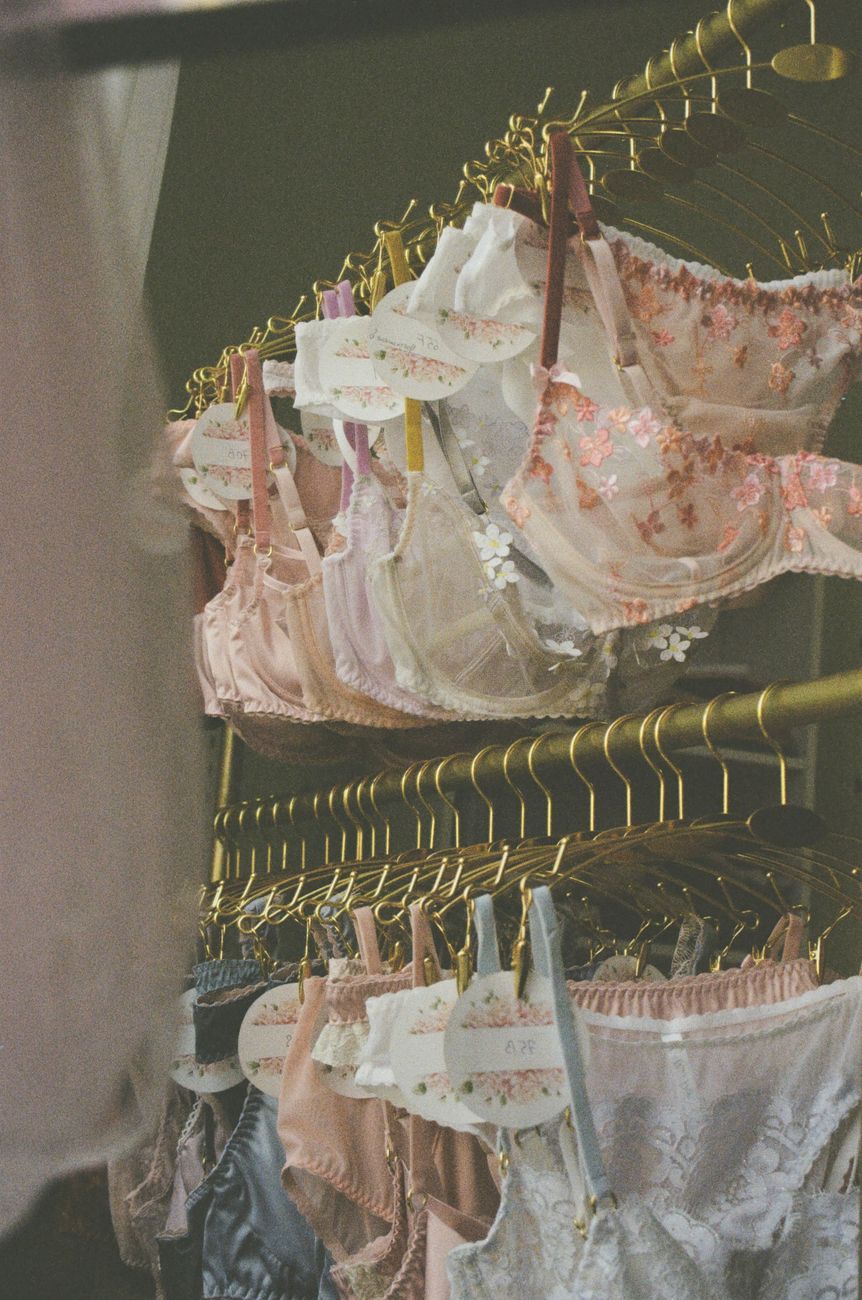
Prada Made Bras Load-Bearing in 2022
When Miuccia Prada sent triangle bras over tailored shirts down the Spring 2022 runway, they weren't decorative—they were holding the silhouette together. The straps formed visible X-patterns across backs, creating tension points that actually shaped how the garments hung. Other houses followed: Miu Miu's low-rise skirts required exposed bra architecture to balance the proportions, Coperni's spray-on dress needed a structural bra beneath to exist at all. What changed wasn't modesty but physics. Designers stopped pretending support happens invisibly.

The Strap Economy Became Its Own Market
A micro-industry emerged selling just the visible parts: jeweled straps, chain link versions, velvet replacements, modular systems where you swap out what shows. Brands like Strap & Swag and SwitchStraps built entire businesses on this logic—your bra can stay invisible, but its straps need outfit coordination. The accessory classification shifted from "fix a problem" to "complete a look." It's the same thinking that made phone cases a fashion category. Once something must be visible, it must be considered.
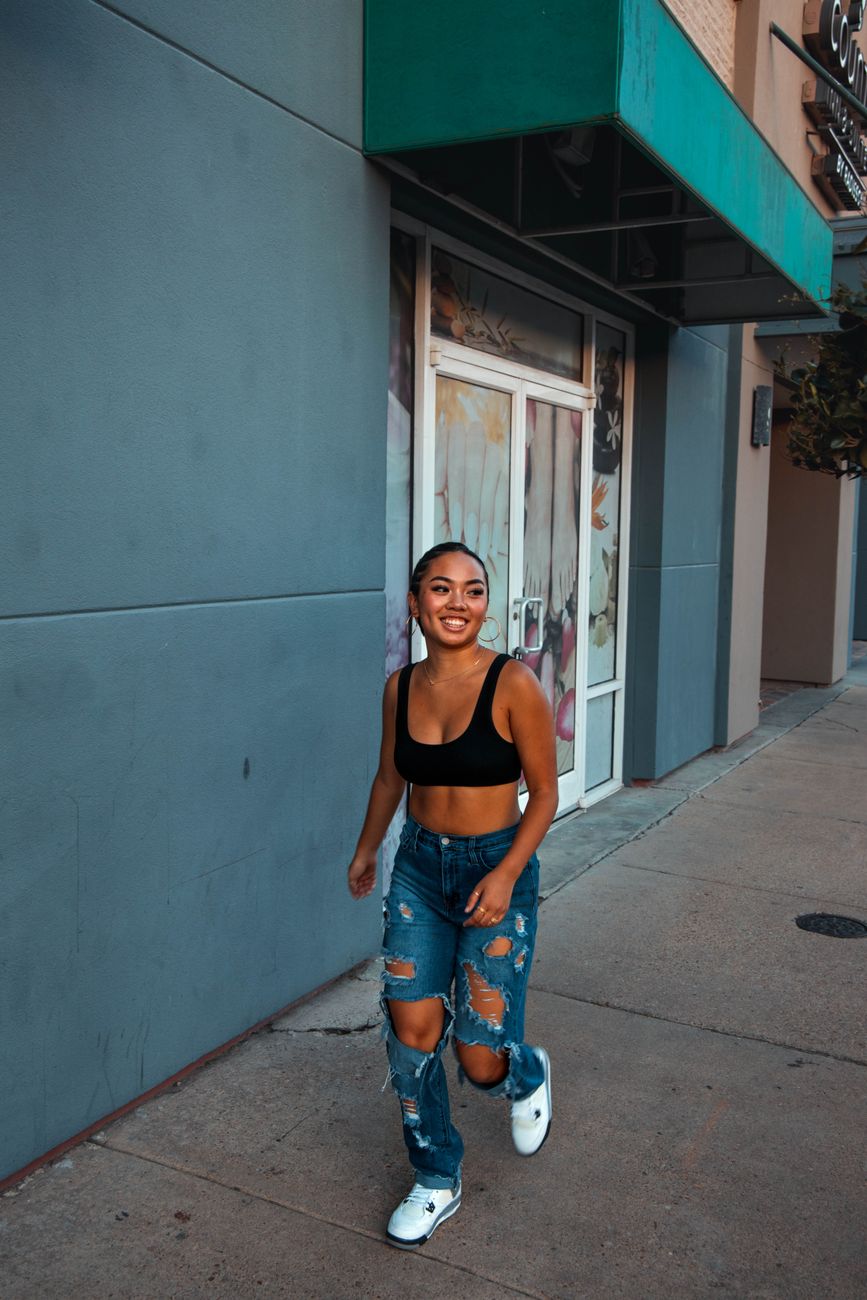
Athleisure Normalized the Sports Bra as Outerwear
The sports bra made visible straps structural by making them the entire garment. What started as post-yoga laziness became intentional: the sports bra as crop top, styled under blazers, paired with high-waisted everything, its thick straps and racer-back construction now read as design features rather than athletic equipment. Lululemon and Alo built empires on this recontextualization. The genius was recognizing that once athleisure crossed into streetwear, the sports bra's engineering—its aggressive support, its refusal to be delicate—became an aesthetic advantage, not something to disguise.

Instagram's Backless Dress Era Required Visible Solutions
Open backs, cut-outs, asymmetric necklines—the past five years of Instagram-optimized dressing created technical problems that demanded visible answers. Fashion tape and stick-on bras only work until they don't, usually mid-event. So designers started building in the support: straps that crisscross deliberately, bra elements integrated but exposed, harness details that do actual work. Brands like Nensi Dojaka and Supriya Lele built their aesthetics on this premise—if the body needs engineering to wear this, make the engineering worth photographing. The result looks effortless but requires considerable architecture.

Gen Z Rejected the "Fix It" Mentality Entirely
Younger consumers simply stopped treating visible straps as mistakes requiring correction. They're not making statements or breaking rules—they genuinely don't register it as an issue needing solving. This isn't rebellion; it's ambient indifference to a previous generation's anxiety. Bra straps, like underwear as outerwear or visible sock lines, just exist in the visual field without moral weight. The shift is philosophical: if something can't realistically be hidden given how clothes are cut now, why maintain the fiction that it should be?

The Return of Corsetry Brought External Boning Back
Corsets and bustiers resurfaced not as lingerie but as structural outerwear, and this time the boning stayed outside. Brands from Dion Lee to Mugler showed the skeleton on the surface—metal stays, lacing systems, support structures that used to hide beneath fabric now forming the primary visual element. It's Victorian engineering flipped inside out. The difference is honesty: these garments announce exactly how they're accomplishing their shaping, making the mechanism part of the aesthetic. When support becomes this visible, it becomes a design language, not a secret.

Harness Accessories Blurred Bra and Jewelry
The harness—part bondage reference, part architectural detail—became a mainstream accessory that functioned exactly like a decorative bra. Worn over clothing or on bare skin, these leather or chain structures created the visual language of straps without the pretense of support. They acknowledged what visible bra culture already established: sometimes you just want the graphic of straps across a body, the geometry they create, the way they section and frame. The harness made that impulse literal. It's a bra strap that doesn't apologize for doing nothing but looking like itself.

Technical Fabrics Made Structural Exposure Wearable
What finally made exposed structure practical wasn't cultural permission but material innovation. Moisture-wicking straps that don't stain, bonded seams that don't chafe, flexible boning that moves with bodies—the technical fabrics developed for athletic wear migrated into fashion and made visible support genuinely comfortable for extended wear. Brands could design exposed structural elements that didn't punish the wearer. The aesthetic worked because the engineering actually worked. Pretty scaffolding means nothing if it collapses by cocktail hour.
- Prada Made Bras Load-Bearing in 2022
- The Strap Economy Became Its Own Market
- Athleisure Normalized the Sports Bra as Outerwear
- Instagram's Backless Dress Era Required Visible Solutions
- Gen Z Rejected the "Fix It" Mentality Entirely
- The Return of Corsetry Brought External Boning Back
- Harness Accessories Blurred Bra and Jewelry
- Technical Fabrics Made Structural Exposure Wearable