For two decades, shapewear promised invisibility—a body so controlled it left no evidence of undergarments. The entire apparatus of Spanx, laser-cut thongs, and seamless technology existed to create the fiction of a naturally smooth silhouette. That fiction just collapsed.
Now, visible panty lines signal something different: refusal to perform effortlessness. The shift isn't about carelessness—it's about making the constructed nature of "perfection" uncomfortably obvious. When smoothness requires that much infrastructure, showing the seams becomes the radical choice.
Miu Miu Made Granny Panties a Front-Row Statement
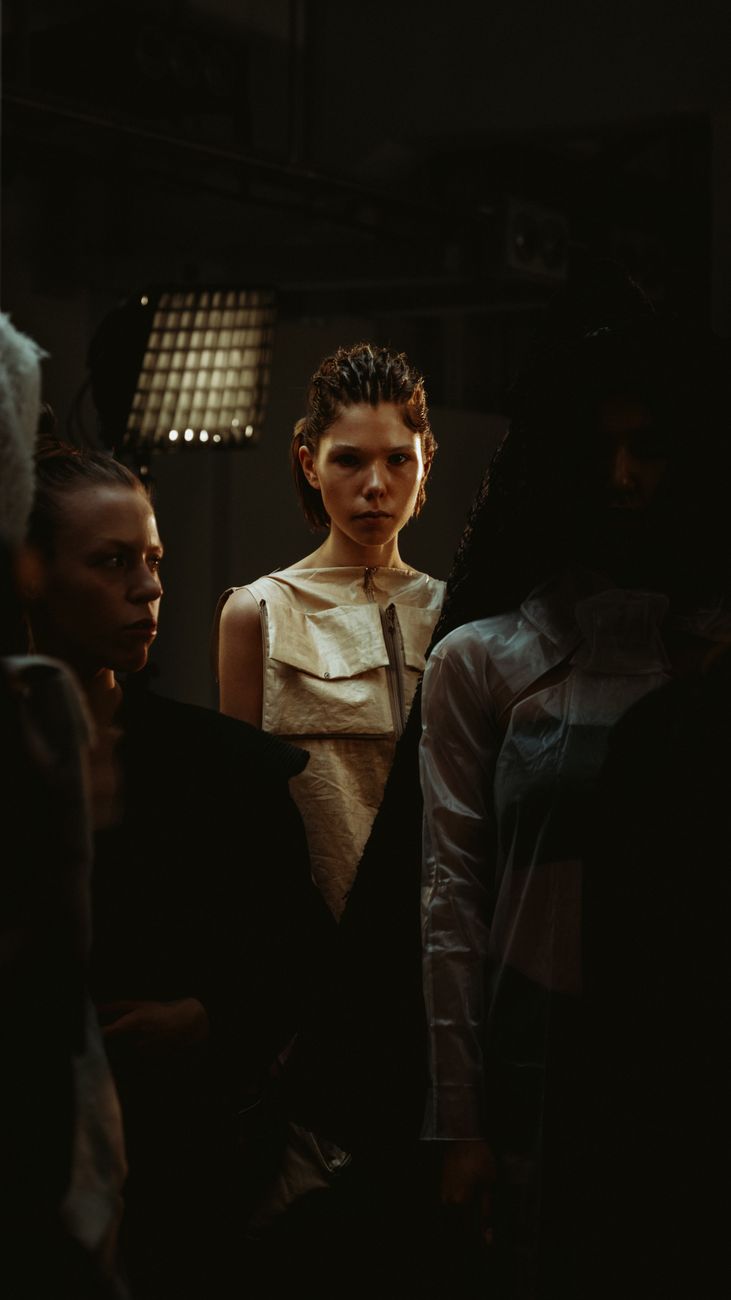
Miuccia Prada sent full-coverage briefs down the spring 2024 runway, visible beneath low-rise skirts and sheer fabrics. Not as provocation, but as ordinary fact. The styling refused to treat underwear as either secret or spectacle—just present. By the second row, every fashion director understood: the era of pretending bodies don't need structure is finished.
Gen Z Doesn't Know What Seamless Technology Was Protecting
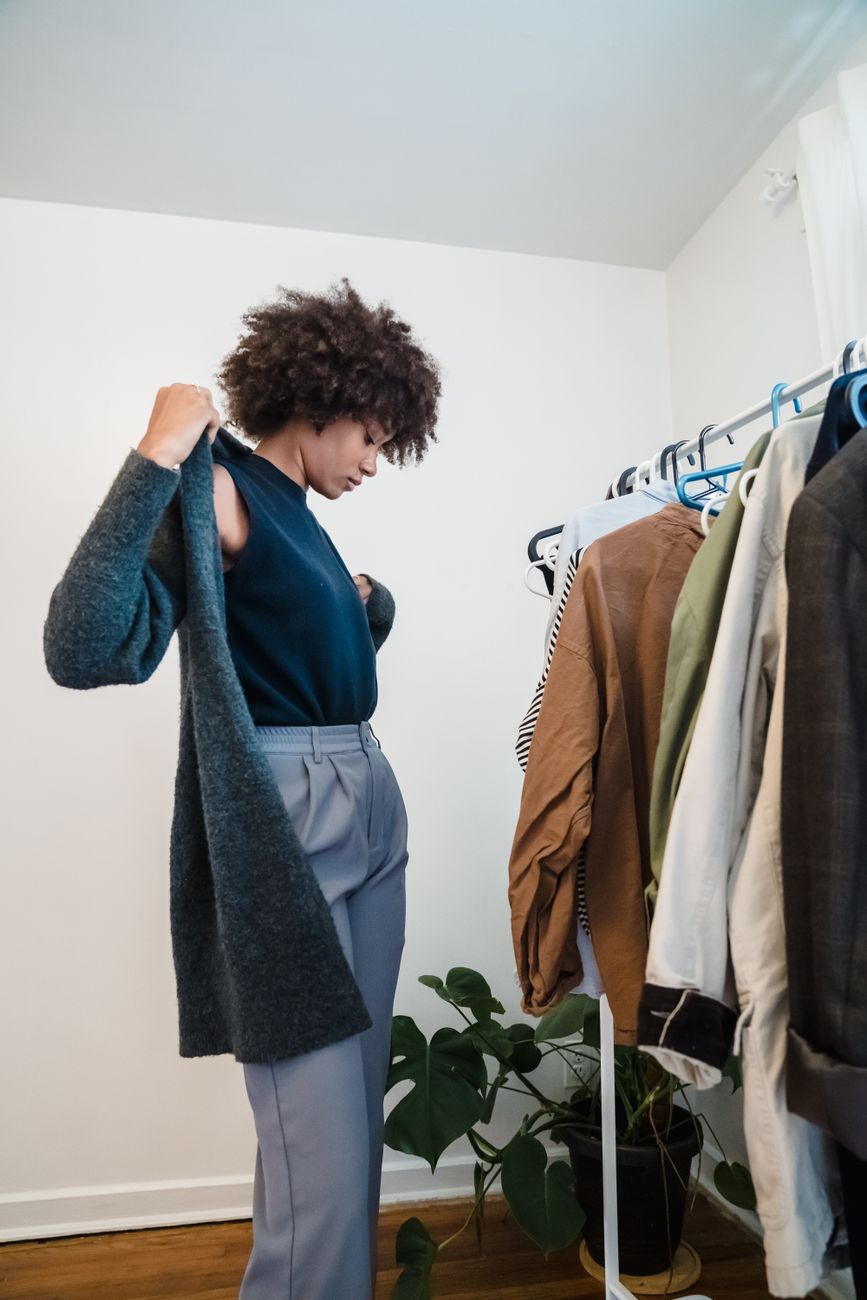
TikTok users born after 2000 genuinely don't register VPL as a problem to solve. They didn't inherit the shame apparatus that made panty lines a moral failure. When influencers deliberately show underwear under knit dresses or straight-leg trousers, it's not rebellion—it's total indifference to a rule they never internalized. The anxiety simply didn't transfer.

Smoothness Now Reads as Pharmaceutical
The seamless body carries new associations: injectables, cosmetic procedures, the expensive maintenance of appearing "natural." When every surface can be lasered, tucked, or filled, perfectly smooth clothing feels like an extension of clinical intervention. Visible panty lines become evidence of opting out—choosing not to erase every mark of being an actual organism that exists in fabric.

Underwear as Infrastructure Became the Aesthetic
Brands like Parade and Girlfriend Collective built entire identities around visible waistbands and unapologetic coverage. Not performance lingerie—engineering. The appeal is letting people see the structural layer, acknowledging that bodies need practical support systems. It's the fashion equivalent of exposed ductwork in architecture: showing how the thing actually works instead of concealing its mechanisms.
VPL Is Signaling Class Confusion Now
When The Row showed visible underwear lines under $4,000 silk trousers, the message landed differently than fast fashion doing the same thing. At that price point, imperfection becomes illegible—it must be intentional. The wealthy are buying the permission to look unconstructed, while others are still trying to buy their way into seamlessness. The status symbol reversed so quietly that most people haven't registered the inversion.