The A-line skirt didn't die dramatically. It didn't spark thinkpieces or get dissected on TikTok. It simply faded from racks, lookbooks, and consciousness while everyone was busy having opinions about maxi skirts and ballet flats. Once the most reliable silhouette in women's fashion—flattering enough for office culture, safe enough for school uniforms, ubiquitous enough to span every price point—the A-line became fashion's equivalent of landscape paintings in hotel lobbies: so inoffensive it ceased to register as choice.
Its disappearance says less about the garment itself than about what fashion now rewards. In an era where dressing communicates identity with algorithmic precision, the A-line's greatest asset—its neutrality—became its fatal flaw. What follows isn't nostalgia. It's an autopsy of how fashion's safest bet became its quietest casualty.
The Silhouette That Promised Nothing Got Exactly That
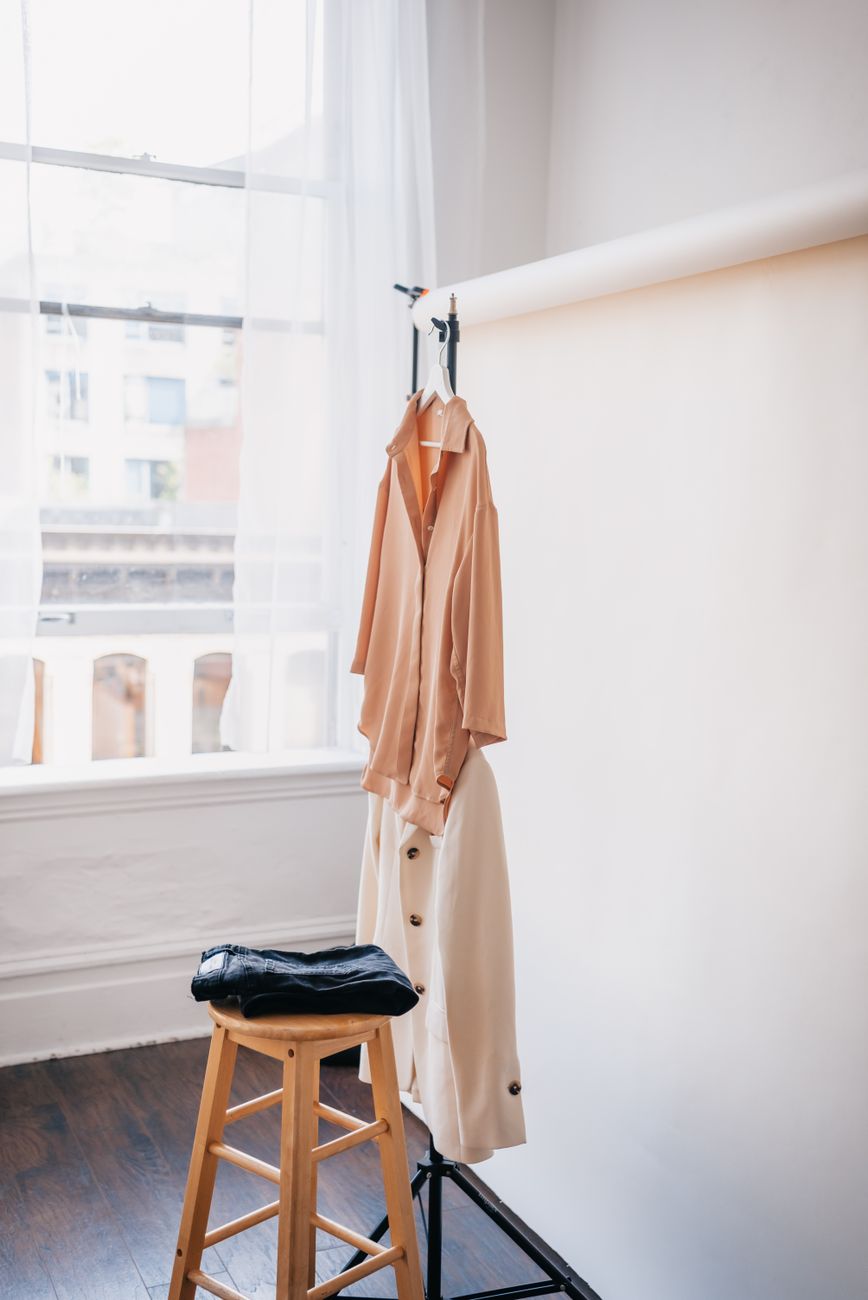
The A-line skirt's entire appeal was its refusal to make demands. It didn't cling, didn't restrict, didn't require the wearer to hold their stomach in or walk differently. That neutrality—once its strength in workplaces and school dress codes—became a liability when fashion started rewarding specificity over versatility. In a landscape where pencil skirts signal boardroom ambition, slip skirts suggest downtown cool, and pleated minis code as intentionally preppy, the A-line communicated nothing except the desire to be left alone. Fashion stopped having space for garments that didn't telegraph identity.
Fast Fashion Killed It by Loving It Too Much
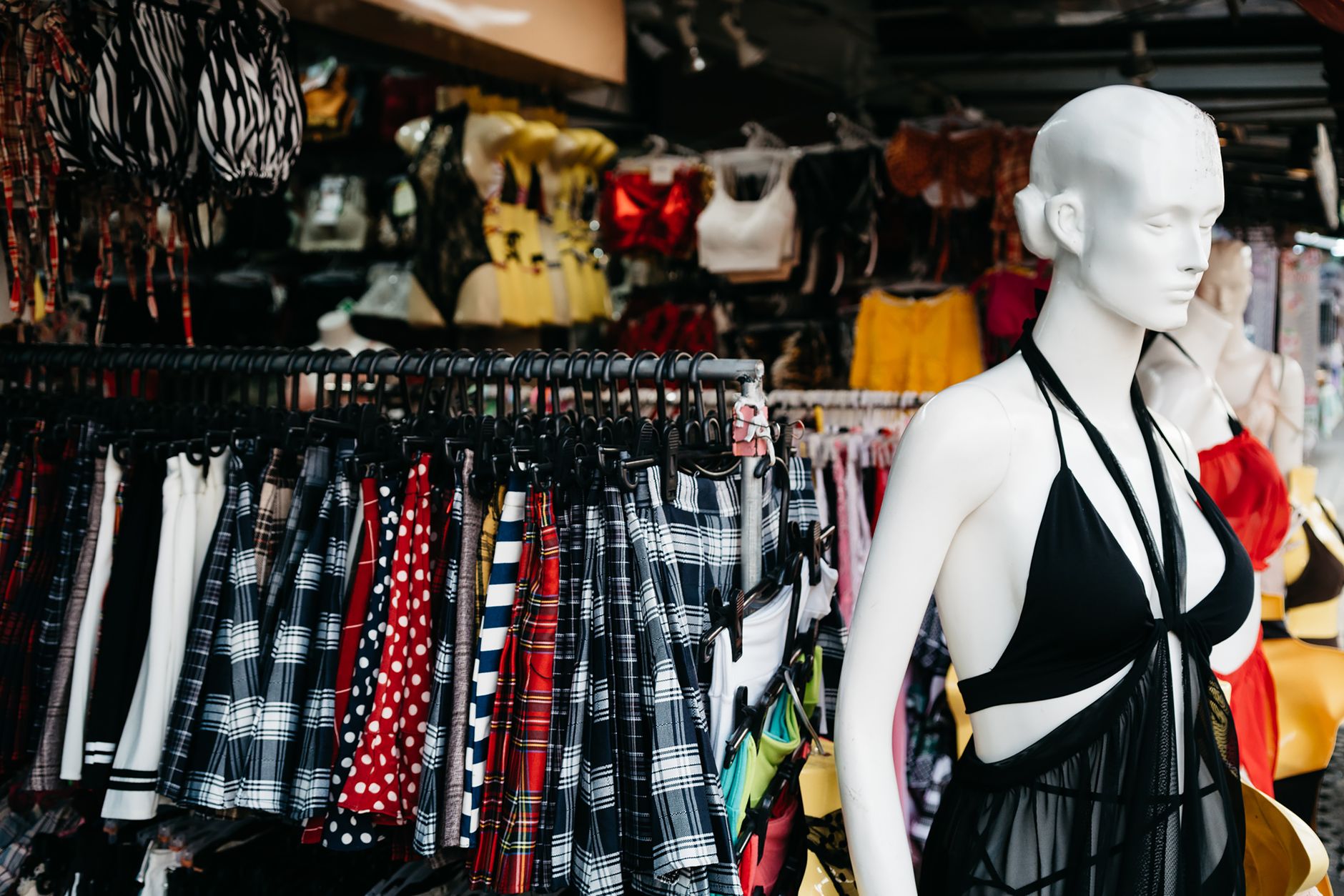
The A-line became fast fashion's favourite template precisely because it required minimal pattern-making skill and fit the broadest range of bodies with the least amount of adjustment. Every mall brand produced endless iterations—denim, ponte, floral print, faux leather—until the silhouette became synonymous with low-effort dressing. By the time mid-tier brands tried to elevate it with luxe fabrics or interesting hemlines, the damage was done. The A-line had been rendered so cheap and abundant it became impossible to make it feel covetable again, even at higher price points.
Designers Stopped Showing Them, Buyers Stopped Ordering Them
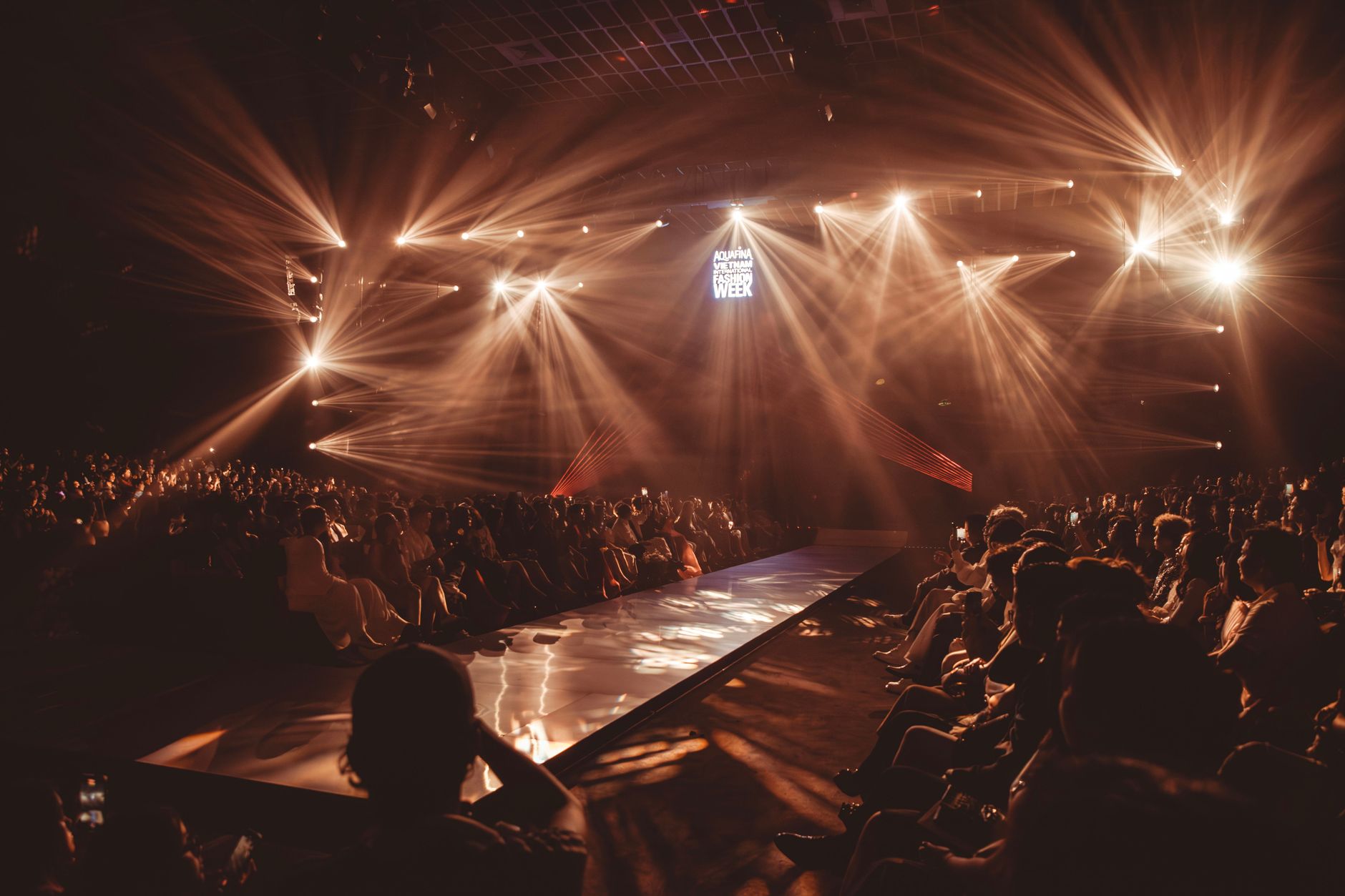
A scan of recent runway shows reveals a telling absence. While designers continue iterating on every other skirt silhouette—asymmetric hems, draped midis, micro minis, deconstructed denim—the A-line simply doesn't appear. Buyers, who operate three seasons ahead and rely on runway shows to dictate editorial direction, stopped placing orders for what wasn't being validated at fashion week. Without press coverage or influencer adoption—both of which follow designer momentum—the A-line lost its fashion credibility. It became something inherited, not chosen, which in fashion terms is a death sentence.
The Return of Tailoring Demanded More Opinion
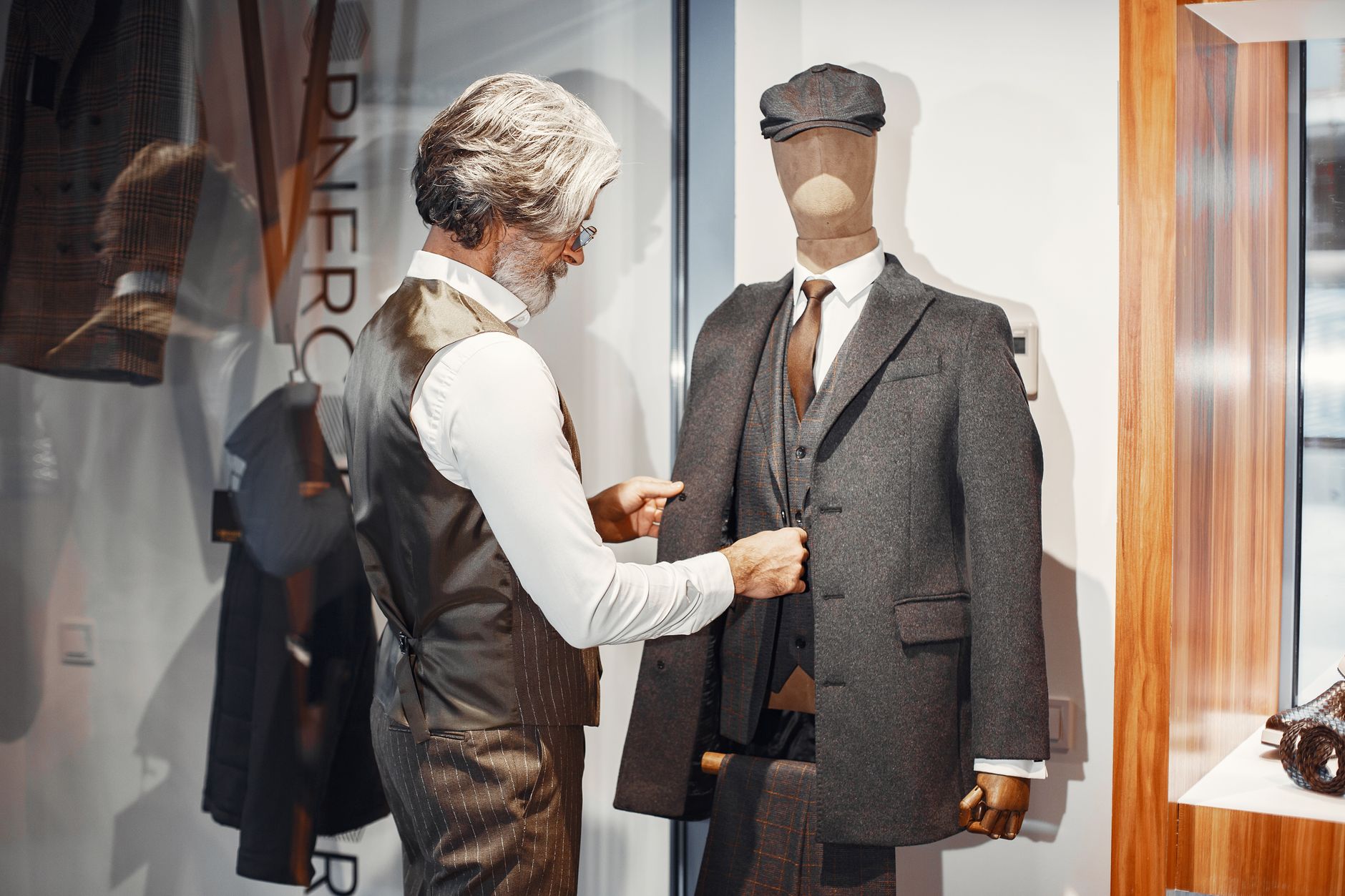
As suiting and structured dressing re-entered the conversation—driven partially by office returns and partially by a backlash against athleisure's shapelessness—fashion gravitated toward silhouettes with more architectural point of view. Pencil skirts with strategic slits, cargo skirts with utilitarian pockets, structured midis with visible boning all communicated a return to clothes that shaped the body rather than simply skimmed it. The A-line's ease read as outdated against this new appetite for garments that required commitment, both in how they fit and how they were worn.
Social Media Rewarded Extremes, Not Moderation
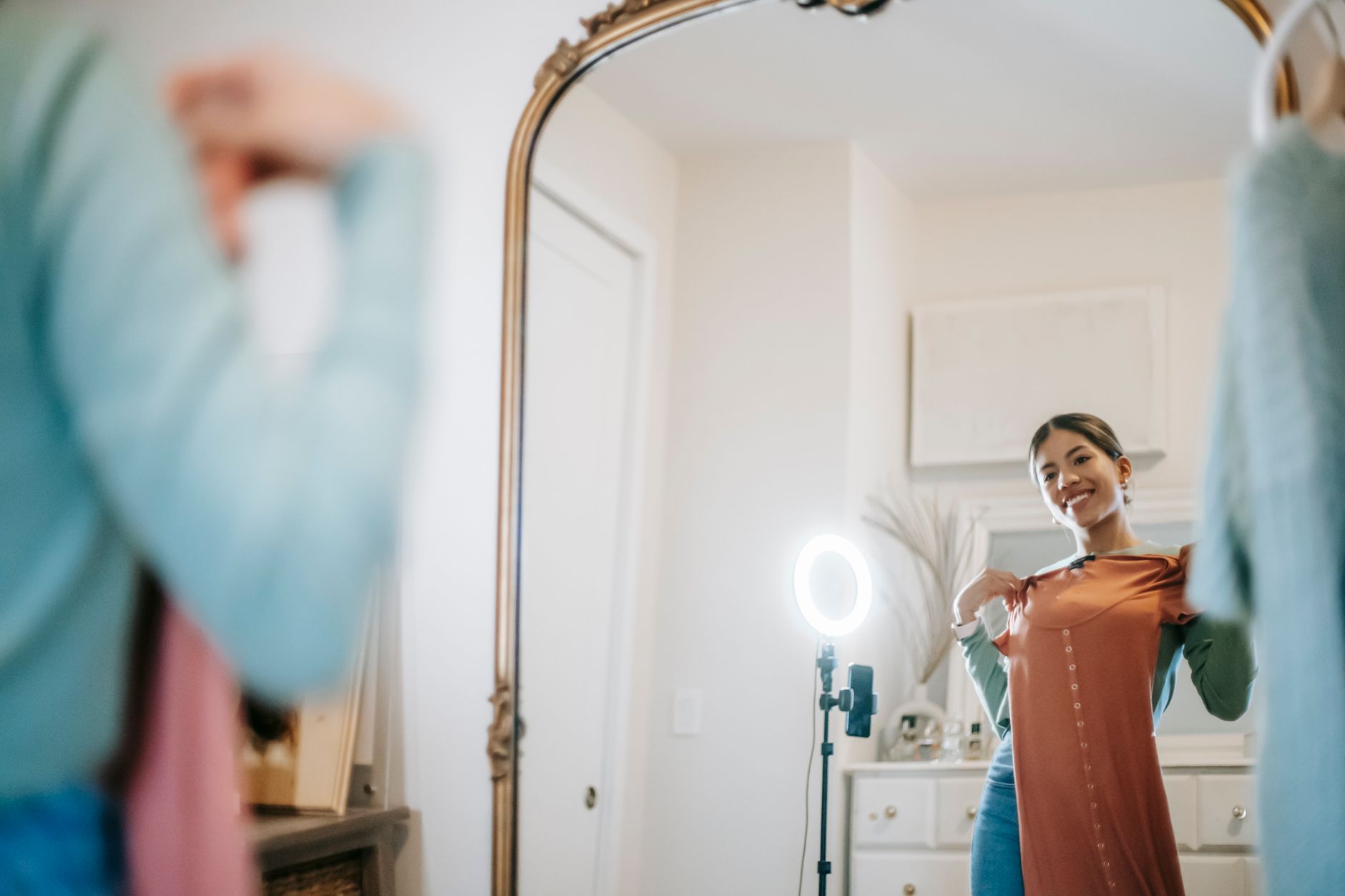
Instagram and TikTok's visual economy favours silhouettes that photograph with immediate impact—either extremely fitted or dramatically voluminous, cropped to the extreme or pooling on the floor. The A-line's moderate flare and knee-grazing hemline occupies a middle ground that doesn't translate to compelling content. Influencers and their audiences learned quickly that engagement metrics reward boundary-pushing shapes, not safe ones. When getting dressed becomes content creation, neutrality becomes invisible, and the A-line was nothing if not neutral.
Workwear Gave Up Pretending Professional Meant Unremarkable
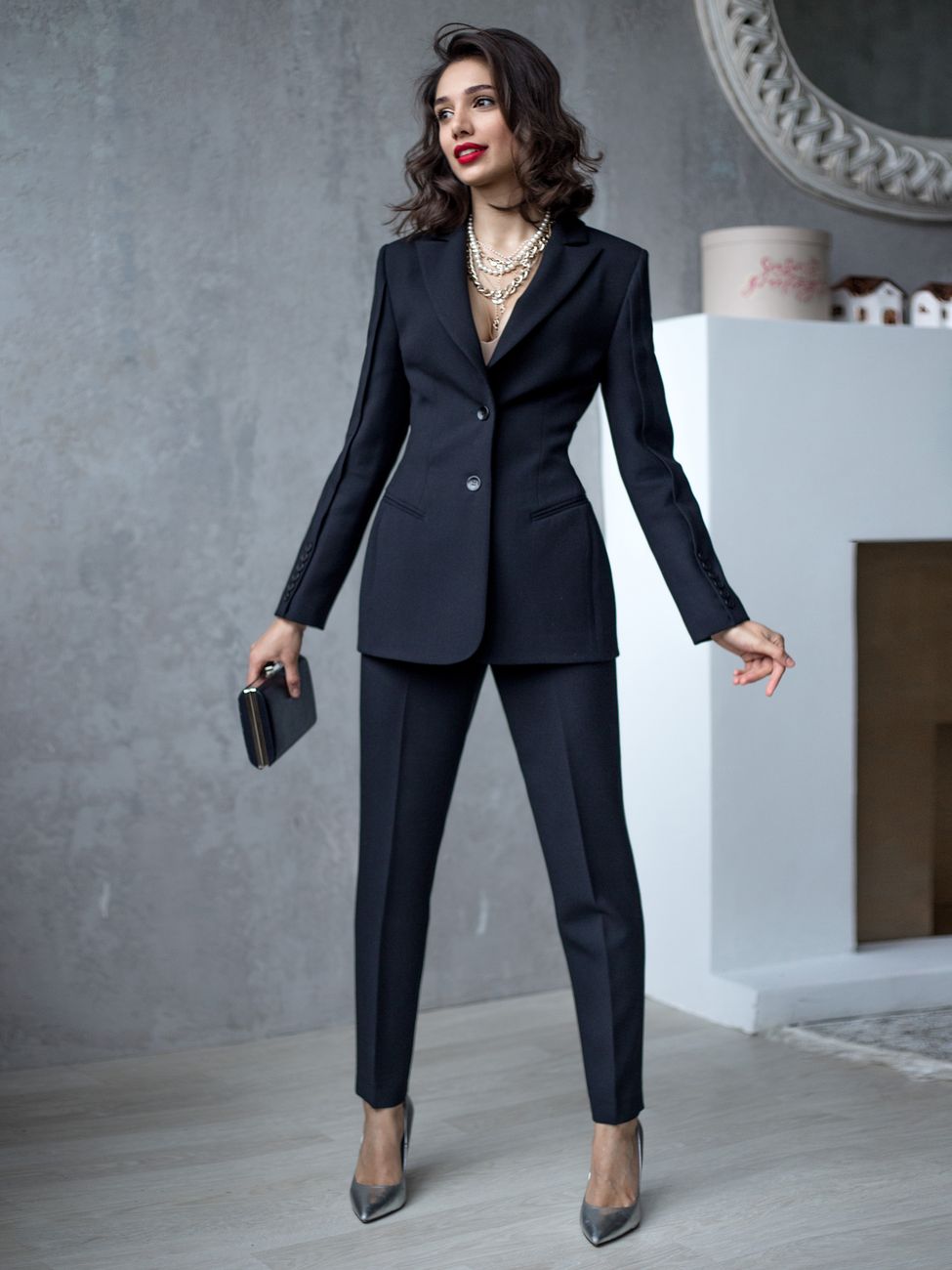
The A-line's last stronghold was professional dressing, where its conservatism once felt appropriate rather than dated. But workplace dress codes either relaxed entirely or, in creative industries, began rewarding fashion risk as a signal of cultural fluency. The modern professional wardrobe skews toward statement trousers, interesting knitwear, and skirts with enough personality to generate conversation—wide-leg denim, leather pencils, pleated midis in unexpected fabrications. The A-line's blandness, once office-appropriate camouflage, now reads as evidence of not trying, which carries its own professional implications.
Nobody Mourned It Because Nobody Noticed It Was Gone
The most telling detail about the A-line's disappearance is how unremarked it's been. There were no farewell editorials, no vintage hunters excavating perfect specimens, no designers attempting ironic revivals. It vanished the way things do when they stop being culturally relevant before anyone realizes they were ever culturally present. Fashion moves through trends with enough noise that quiet disappearances go unnoticed until someone thinks to look for what used to be there. By then, the conversation has moved on, and the A-line skirt is simply inventory nobody thought to reorder.
- The Silhouette That Promised Nothing Got Exactly That
- Fast Fashion Killed It by Loving It Too Much
- Designers Stopped Showing Them, Buyers Stopped Ordering Them
- The Return of Tailoring Demanded More Opinion
- Social Media Rewarded Extremes, Not Moderation
- Workwear Gave Up Pretending Professional Meant Unremarkable
- Nobody Mourned It Because Nobody Noticed It Was Gone