Somewhere between the third Balmain blazer and the fifth Schiaparelli sculptural jacket, shoulder pads stopped pretending to be an internal construction detail. They're no longer whispering power dressing or nodding to '80s boardroom nostalgia. They're screaming geometry, demanding space, treating the human body as a framework for architectural experiment rather than the other way around.
This isn't your mother's Dynasty moment. These shoulders don't suggest authority through subliminal widening—they announce it through visible panels, stacked layers, and silhouettes that photograph like modern art installations. Seven things worth noting about fashion's current obsession with shoulders that refuse to apologize for existing.
Padding Became Exoskeleton
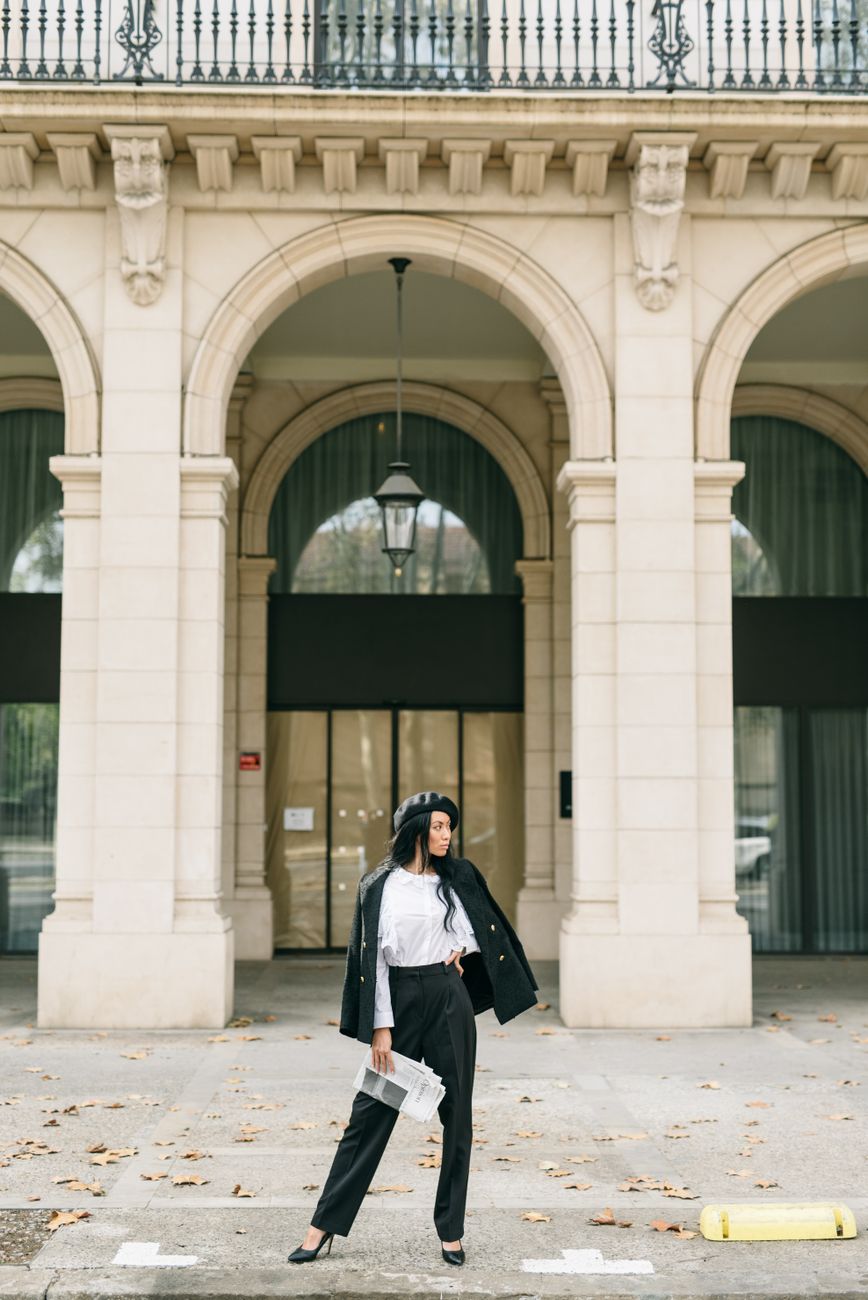
The new shoulder pad doesn't hide beneath fabric—it sits on top, often in contrasting materials that highlight its presence. Rick Owens and Balenciaga have led this charge, creating shoulders that function more like body armor than tailoring. The effect is less professional woman, more warrior entering a boardroom she already owns.

Instagram Made Square Silhouettes Sellable
Aggressive shoulders photograph impossibly well on small screens, creating the kind of scroll-stopping silhouette that algorithms reward. What reads as costume in person translates as statement online, and brands from Zara to The Frankie Shop have calibrated their shoulder width accordingly. The rectangle is the new hourglass because rectangles claim territory in a 4:5 frame.
Gender Fluidity Required New Proportions
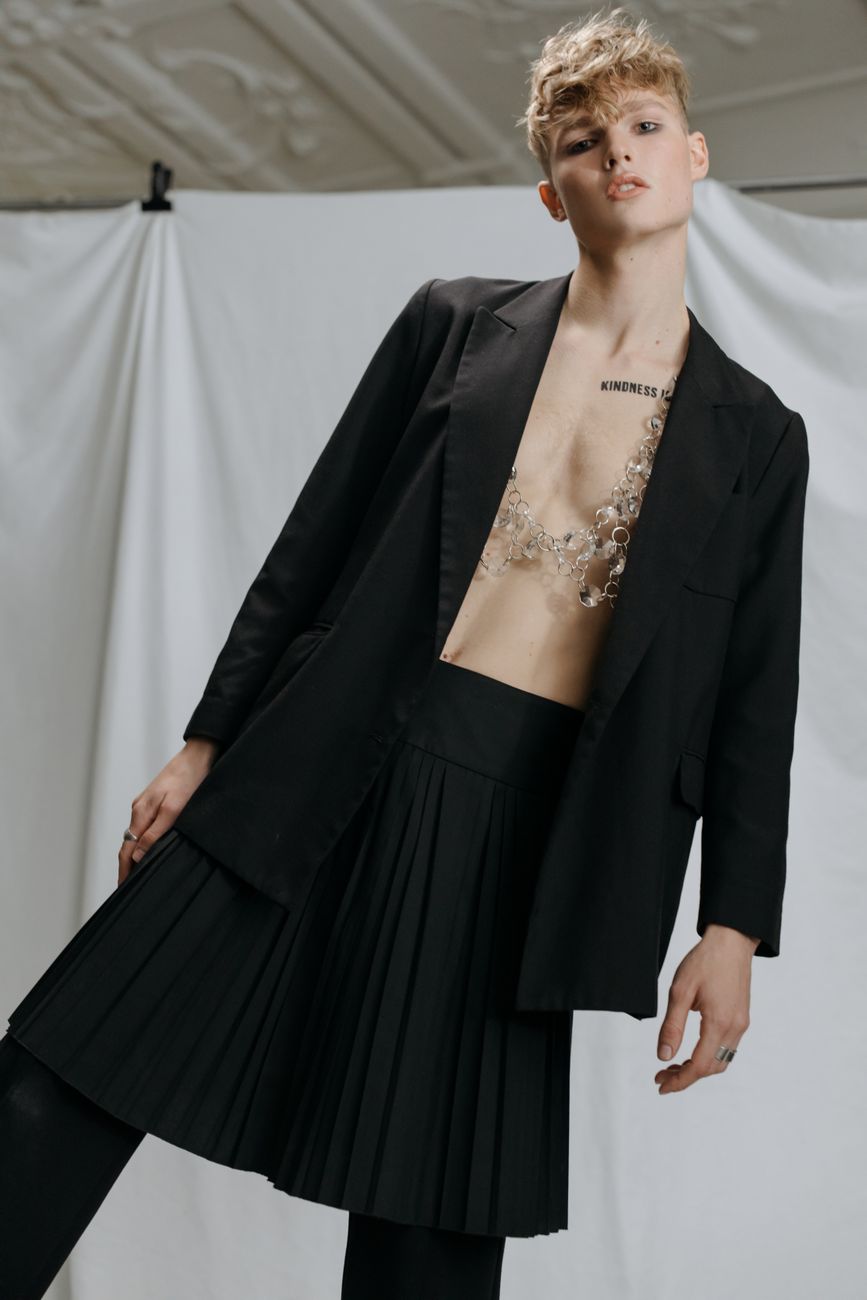
As fashion moved beyond binary silhouettes, shoulders became the great equalizer—neither feminine nor masculine, just architectural. This isn't padding to approximate male breadth or minimize curves; it's structure that creates a third option entirely. Bodies become canvases. The clothing is the sculpture, not the support act.

Casualwear Borrowed Couture's Skeleton
The most interesting part isn't happening on runways—it's happening in hoodies, sweatshirts, and even knits adopting visible shoulder structures. What began as high fashion theater has migrated into everyday wardrobe pieces, democratizing the drama. Oversized no longer means shapeless; it means deliberately, aggressively shaped.
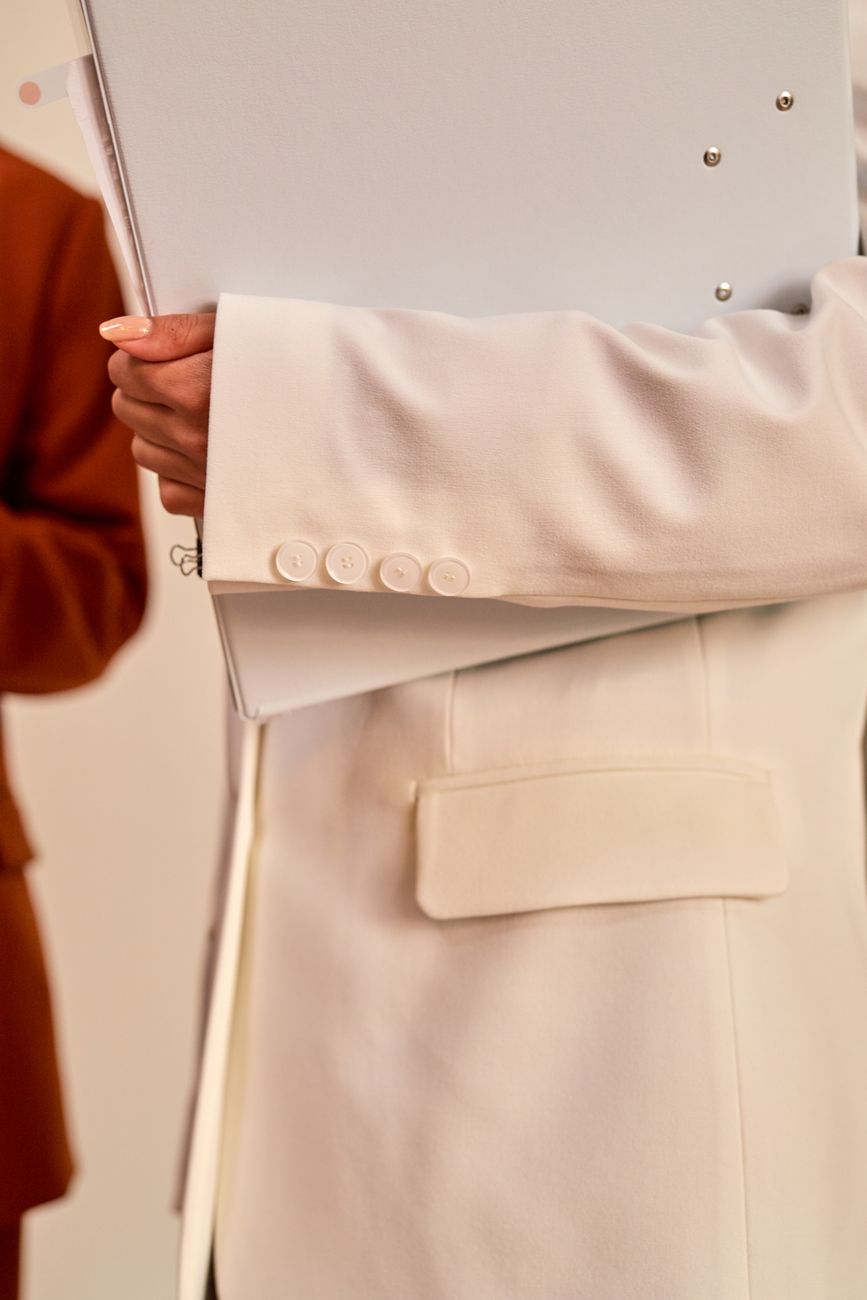
Video Calls Demanded Visible Authority
When professional presence condensed into a Brady Bunch square, shoulders became the fastest visual shorthand for seriousness. The from-the-waist-up economy rewards statement necklines and powerful shoulders above everything else. Strong shoulders became the new power move because they're the only part of your outfit that consistently makes it into frame.
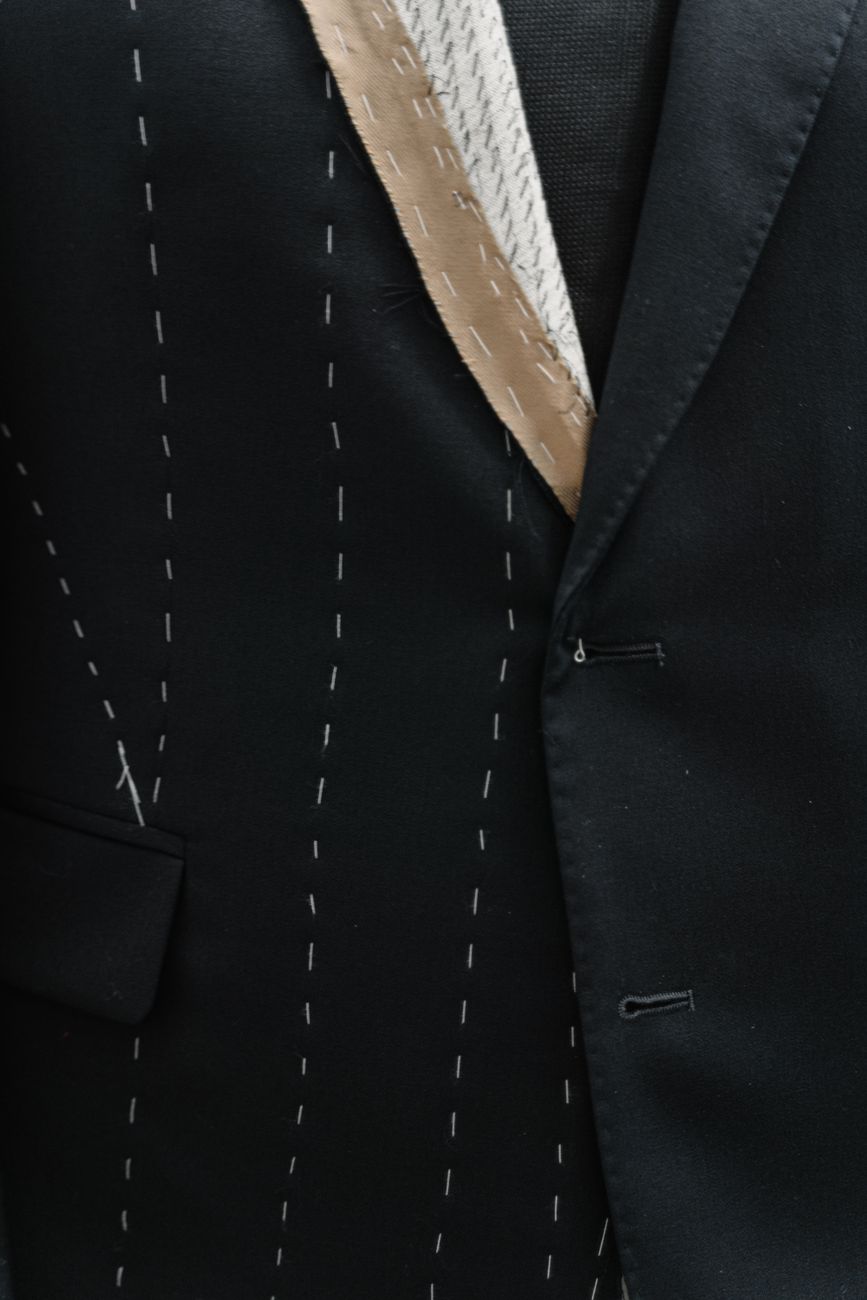
Sustainability Made Structure Honest
There's an emerging aesthetic that celebrates visible construction rather than hiding it—seams outside, padding exposed, structure as transparency. It's partly craft fetish, partly anti-waste (why hide the engineering?), and partly the natural endpoint of a generation that wants to see how things are made. The shoulder pad as design statement rather than secret ingredient.
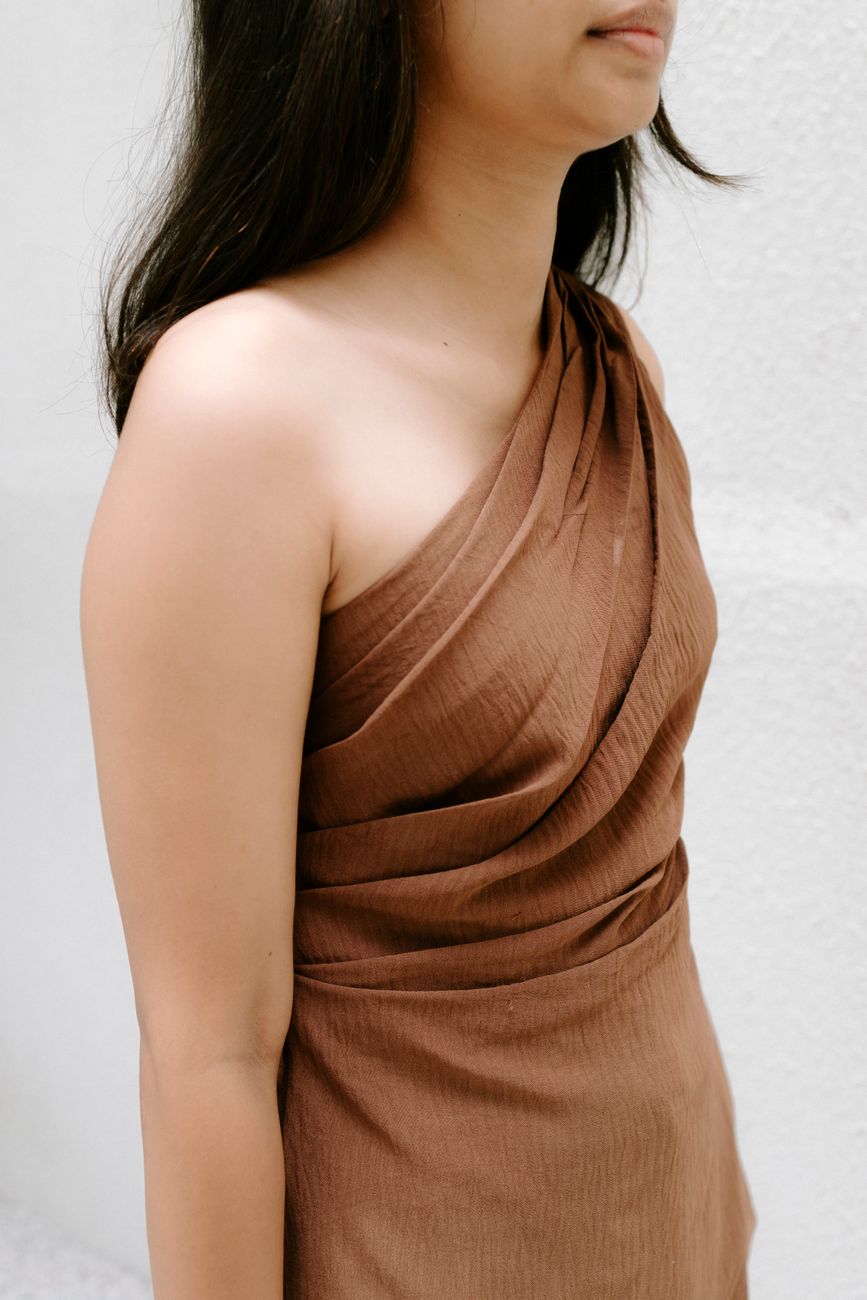
Softness Became the Real Rebellion
Predictably, the sharpest observers are already moving the opposite direction. As structured shoulders saturate, the genuinely unexpected choice is complete absence—extreme draping, melted silhouettes, shoulders that collapse rather than project. The pendulum always swings, but right now, watching someone choose visible vulnerability over visible armor feels like the actual fashion risk.