The era of converting every spare bedroom into passive income is ending—not with regulatory fanfare, but with quiet economic surrender. Across global cities, thousands of Airbnb listings are vanishing weekly, reappearing as traditional rentals as hosts confront a brutal new math: over-supplied markets, rising operating costs, and guests who've discovered hotels remember how to compete.
This isn't about legislation finally catching up. It's about fundamentals reasserting themselves after a decade-long distortion. The neighborhoods that became ghost towns of rotating tourists are suddenly residential again, and the implications stretch far beyond travel.

The Revenue Cliff Is Real
Average Airbnb revenues dropped 35-50% across major markets in 2024, but the story isn't demand—it's oversupply meeting normalization. Cities that saw host counts triple during pandemic remote-work fantasies now face a glut of identical listings competing on price. When your two-bedroom in Lisbon is one of 847 similar options, 'Superhost' status means nothing. Hosts who bought properties assuming 70% occupancy at premium rates are now running 40% at budget-hotel pricing, and the mortgage math has stopped working.

Hotels Learned to Play Dirty
The hospitality industry spent years watching amateurs eat their lunch, then came back with targeted competence. Major chains launched flexible-stay programs, kitchenette-equipped rooms, and loyalty incentives that neutralize Airbnb's 'authentic local living' pitch. More critically, they remembered they're better at consistency, cleanliness guarantees, and not subjecting guests to Ring doorbell surveillance or passive-aggressive house manuals. When a Marriott and an Airbnb cost the same, the choice isn't emotional anymore—it's operational.
The Regulatory Slow Burn Worked
Cities didn't ban short-term rentals outright—they made them tedious and expensive enough that casual hosts gave up. Registration systems, occupancy taxes, safety inspections, and 90-day caps weren't dramatic, but they were effective. Barcelona, Amsterdam, New York—the compliance overhead now requires actual business infrastructure, not just a cleaning service and automated messages. The hobbyist hosts who drove the explosion have quietly exited, leaving only professional operators who increasingly question whether the margins justify the hassle.

Renters Are Discovering Inventory Again
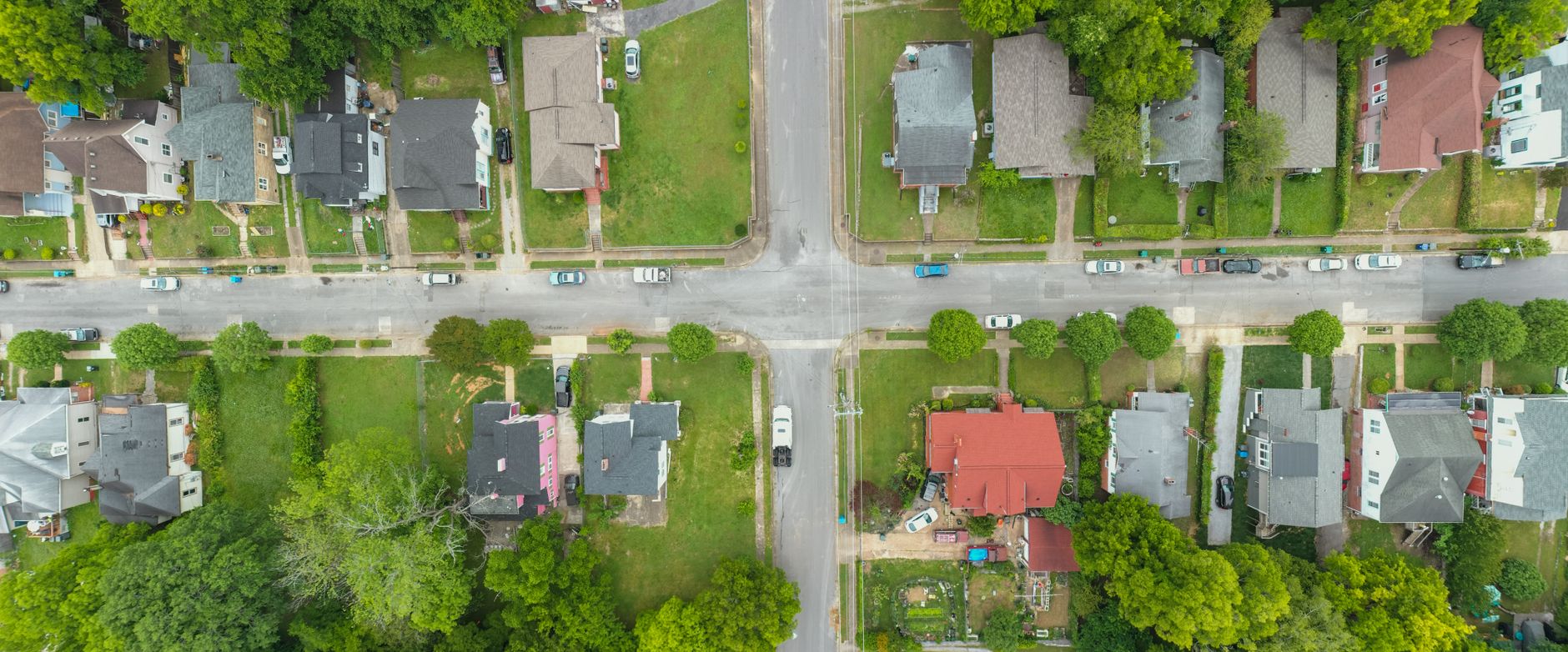
The most tangible shift is happening in neighborhoods where locals couldn't find housing for years. Units that were permanently tourist-occupied are back on annual leases, and the effects compound quickly—ground-floor retail shifts from luggage storage to dry cleaners, noise complaints drop, community continuity returns. In cities like Barcelona and Berlin, rental vacancy rates are climbing for the first time in a decade. This isn't housing crisis solved, but it's pressure releasing in specific micro-markets that were entirely withdrawn from residential use.

The Financialization Unwind Begins
Institutional investors who bought portfolios of short-term rental properties are now stuck holding depreciating assets in a rising-rate environment. The arbitrage that made sense when you could borrow at 3% and generate 8% yields has inverted. Some are converting to traditional rentals; others are selling at losses. This matters beyond real estate—it signals the end of a specific financial engineering cycle where asset classes got revalued based on platform economics rather than underlying utility. When the platform advantage evaporates, you're left holding overpriced apartments in oversaturated markets.