Somewhere between ring lights and retouching apps, the passport photo became aspirational content. Travelers are now hiring professional photographers—complete with mood boards and wardrobe consultations—to shoot what is functionally a government-mandated mugshot. The same people who agonize over their LinkedIn headshots are bringing that energy to customs and immigration.
This isn't vanity. It's something more interesting: the collision of social media aesthetics with bureaucratic reality, where even the most unglamorous moments demand curation. The airport immigration photo has become the last uncontrollable image in an otherwise meticulously managed personal brand, and people are losing their minds over it.

Passport photographers are the new headshot specialists
Photography studios in major cities now advertise passport photo services with the same language used for executive portraits: "flattering angles," "professional lighting," "digital touch-ups within government compliance." One London photographer charges £150 for a session that includes makeup consultation and multiple outfit options—all for a 2x2 inch photo that gets glanced at for three seconds at border control. The service exists because enough people will pay for it, which says everything about where we are culturally.
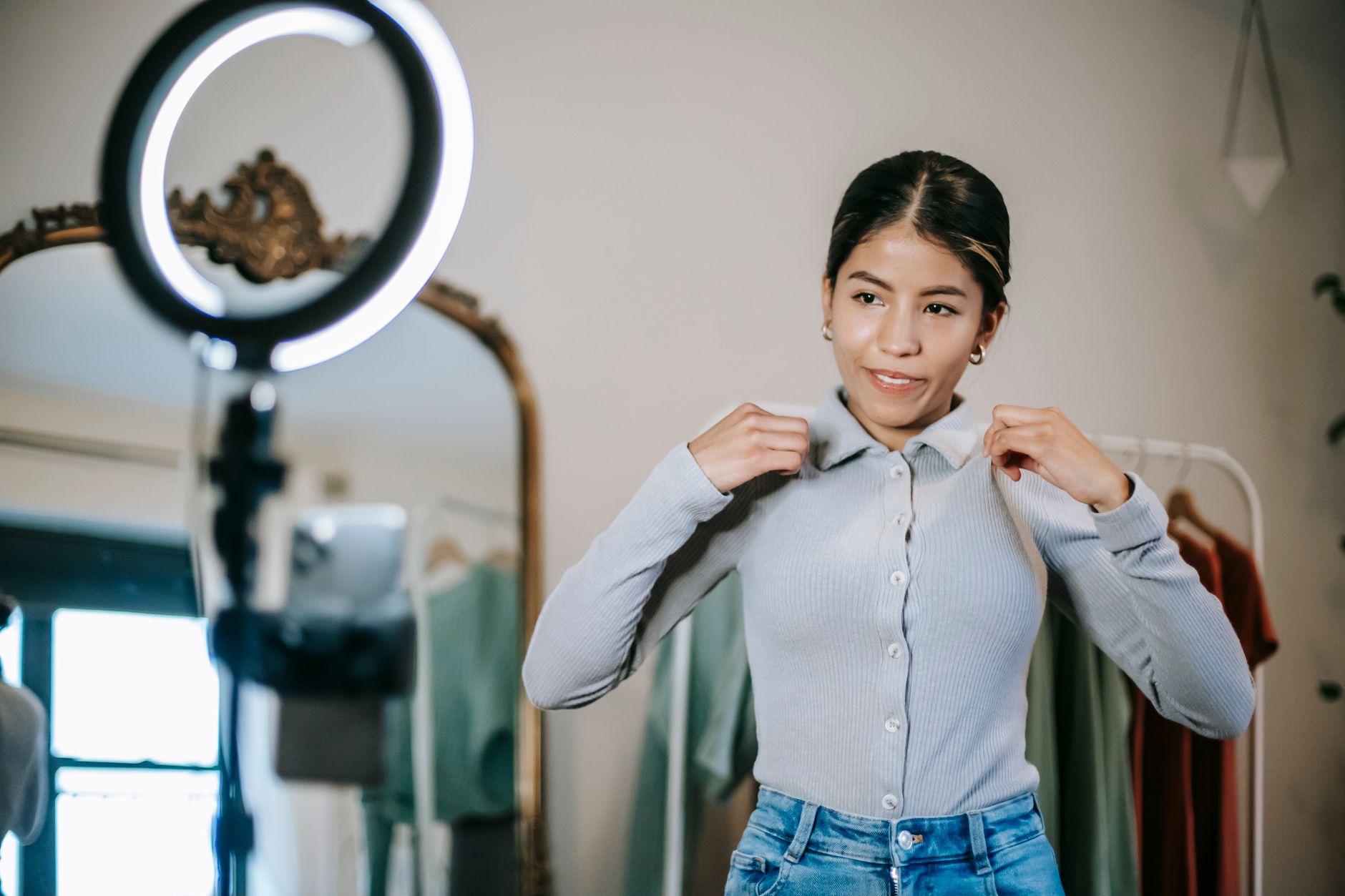
TikTok tutorials treat passport photos like album covers
Search "passport photo tips" and you'll find hundreds of videos breaking down lighting techniques, color theory for background contrast, and "slimming" camera angles—all for an image designed to verify your identity, not launch your modeling career. Creators demonstrate contouring specifically for flat, front-facing bureaucratic photography. The cognitive dissonance is perfect: treating the least romantic aspect of international travel like it's a Vogue cover shoot, because nothing can just exist anymore without optimization.

The myth that immigration officers judge your photo
This anxiety feeds on a fantasy that customs officers are aesthetically evaluating travelers based on their passport pictures, mentally comparing the exhausted person in front of them to their photographed self. In reality, they're checking security features and facial recognition markers, not critiquing your jawline. But the paranoia persists because we've been conditioned to believe every image of ourselves is being judged, even ones locked inside a document that only gets seen during administrative procedures. The border agent does not care about your photo. You do.
It's really about losing control of your own image
For people who've spent a decade curating their digital presence—choosing angles, filters, lighting, context—the passport photo represents a rare moment where you can't control how you're visually represented. It lives for ten years. It gets scanned into databases. It appears on official documents. That loss of curatorial power is genuinely unsettling for anyone who's internalized the logic of personal branding, where even casual snapshots are strategic content. The professional photographer is simply a way to buy back some of that control, even if it's technically unnecessary.

The real question is why we care about a photo no one sees
This entire phenomenon reveals how completely we've absorbed the idea that every image matters, that even functionally invisible photos carry weight. Your passport picture exists in a liminal space—it's technically public but practically private, seen by officials but ignored by humans. Yet people are spending significant money and emotional energy perfecting it, which suggests this has less to do with the photo itself and more to do with an inability to let any aspect of self-presentation go unmanaged. At some point, optimization became compulsory. Even your government ID isn't exempt.