There's a particular breed of travel content creator whose entire personality hinges on color-coordinated compression bags and the revolutionary concept of rolling your clothes instead of folding them. They've turned packing—an activity your mother did while watching television—into an anxiety-inducing masterclass that requires proprietary systems, affiliate links, and the organizational skills of a military quartermaster. Watch them arrange miniature bottles in clear pouches with the gravity of someone defusing a bomb, and you'll wonder how humanity managed to board airplanes before the invention of "packing pods."
The algorithm loves these videos because they combine aspirational lifestyle content with the subtle implication that you're doing everything wrong. Your crumpled T-shirts and toiletries thrown into a side pocket? Chaos. Their capsule wardrobe vacuum-sealed into geometric precision? Enlightenment. Never mind that they're probably filming fifteen versions of the same weekend trip or that real travel involves flight delays, unexpected weather, and buying toothpaste at a train station. The packing influencer exists in a frictionless universe where suitcases never exceed weight limits and wrinkles don't exist.
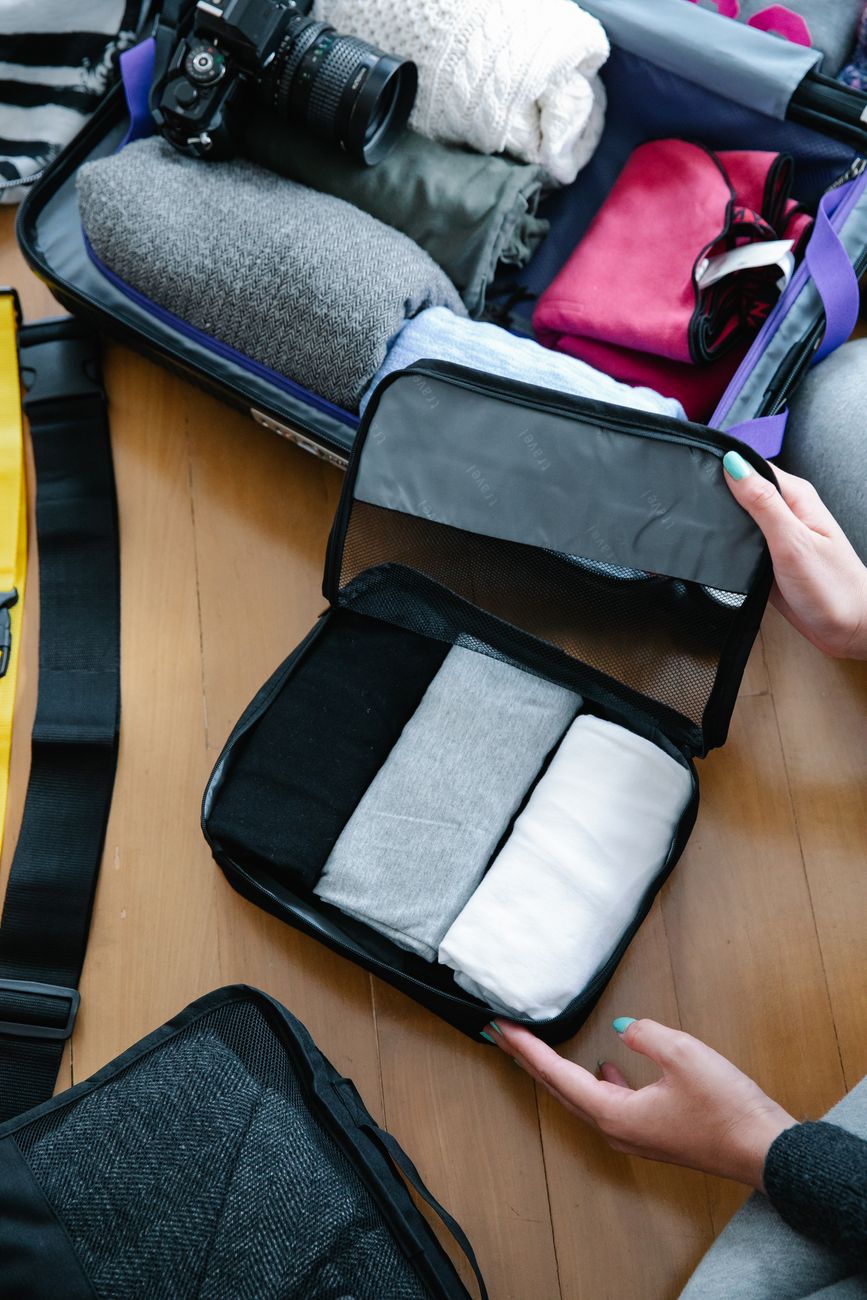
The Packing Cube Racket Has Created a Product Dependency Where None Existed
Frequent travelers managed international moves with a backpack and a prayer for decades, but suddenly you need modular organization systems in four sizes to visit your parents for Thanksgiving. The packing cube industry—yes, it's an industry—has convinced millions that fabric rectangles with zippers are the difference between functional adulting and sartorial catastrophe. These influencers receive boxes of organizational products monthly, then film themselves achieving Tetris-level precision that you'll never replicate because you don't have seventeen identical white t-shirts and the spatial reasoning of an architect. The truth nobody mentions: most of these cubes add bulk, create artificial scarcity in your luggage, and turn unpacking into an archaeological dig through numbered pouches when you just need your phone charger.

Aesthetic Minimalism Meets Consumption Maximalism in Peak Cognitive Dissonance
The central irony of packing content is watching someone promote "minimalist travel" while showcasing forty specialized products for a three-day trip. They'll rhapsodize about packing light while displaying jewelry organizers, shoe bags, lingerie pouches, tech accessory cases, and dedicated compartments for vitamins arranged by day of the week. The capsule wardrobe philosophy—which originally meant buying less and choosing carefully—has mutated into buying an entirely new category of products to contain your theoretically smaller collection of things. It's minimalism as maximalist performance, where the aesthetic of having less requires purchasing exponentially more.

The "Get Ready With Me" Format Turned Ten Minutes of Logistics Into Serialized Content
Packing videos now arrive in multi-part sagas: the pre-pack preparation, the capsule wardrobe selection, the actual packing choreography, the airport outfit reveal, and the inevitable "what I actually wore" epilogue that proves most of it stayed in the suitcase. This content multiplication serves the algorithm's hunger for watch time while transforming a mundane task into appointment viewing that somehow requires your sustained attention. The format's intimacy—watching someone fold underwear while explaining their skincare routine—creates parasocial investment in luggage outcomes. You're not learning efficiency; you're being sold the fantasy that your life could be this photogenic if you just bought better luggage and cared more about whether your socks match your packing cubes.
Affiliate Link Economics Have Industrialized What Used to Be Casual Advice
When every item in the suitcase comes with a swipe-up commission opportunity, packing advice stops being helpful and starts being a storefront with narration. These creators aren't sharing tips; they're running QVC for the algorithm generation, where the product is both the solution and the problem they just convinced you exists. The average packing video now features dozens of linked products—special hangers, wrinkle-release spray, portable steamers, compression bags that require their own tutorial—each generating micropayments that add up to full-time income. This economic model requires constantly introducing new "essentials" and refreshing the product ecosystem, which explains why last season's miracle solution has been quietly replaced by this season's game-changing alternative that does essentially the same thing.
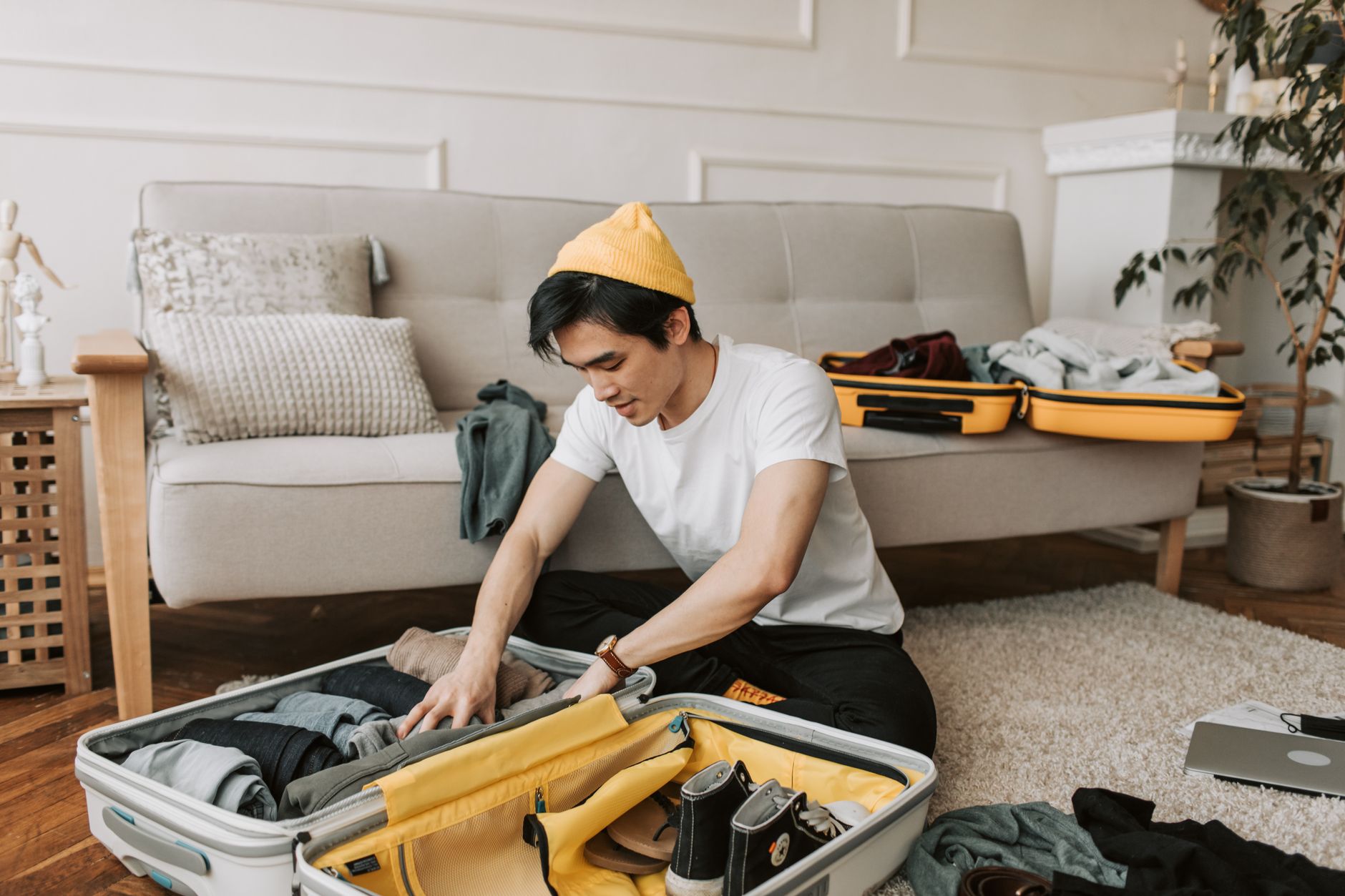
Real Travelers Pack Badly and Their Trips Don't Suffer For It
Here's what packing influencers won't tell you: experienced travelers routinely forget chargers, pack too many books, bring the wrong shoes, and end up wearing the same three things anyway. The trip happens regardless. The memories don't require color-coordination. Nobody looks back on Barcelona and wishes they'd brought better organizational systems for their undergarments. The anxiety these videos manufacture—that improper packing will somehow ruin your experience—is fictional, designed to keep you watching, buying, and believing that leisure requires this level of militarized preparation. Sometimes throwing stuff in a bag and dealing with the consequences is its own skill, one that doesn't generate affiliate revenue but does get you out the door without filming it.
- The Packing Cube Racket Has Created a Product Dependency Where None Existed
- Aesthetic Minimalism Meets Consumption Maximalism in Peak Cognitive Dissonance
- The "Get Ready With Me" Format Turned Ten Minutes of Logistics Into Serialized Content
- Affiliate Link Economics Have Industrialized What Used to Be Casual Advice
- Real Travelers Pack Badly and Their Trips Don't Suffer For It