There's a particular cruelty to standing outside a half-empty beach club at 2 PM, watching people lounge on daybeds while a hostess explains, with practiced regret, that everything was booked solid three months ago. The same script plays out at museum entrances, hotel rooftops, and neighborhood trattorias that used to welcome walk-ins. Somewhere between pandemic capacity controls and algorithmic demand optimization, the entire infrastructure of travel calcified into a pre-planned ritual.
What we lost isn't just the ability to wander—it's the entire philosophy that travel should contain room for discovery. The reservation-industrial complex has transformed spontaneity from a virtue into a liability, and the shift is rewriting how we experience place itself.

The Pandemic Permanently Rewired Hospitality Operations
Capacity restrictions trained an entire industry to operate on advance bookings, and when the mandates lifted, the systems stayed. Venues discovered that guaranteed reservations mean predictable revenue, optimized staffing, and zero walk-in chaos. What began as public health necessity became a convenient business model. Now restaurants from Brooklyn to Bangkok prefer the friction of scarcity over the inefficiency of empty tables, and they've convinced themselves—and us—that this is sophistication rather than limitation.
Instagram Created Artificial Demand for Finite Experiences
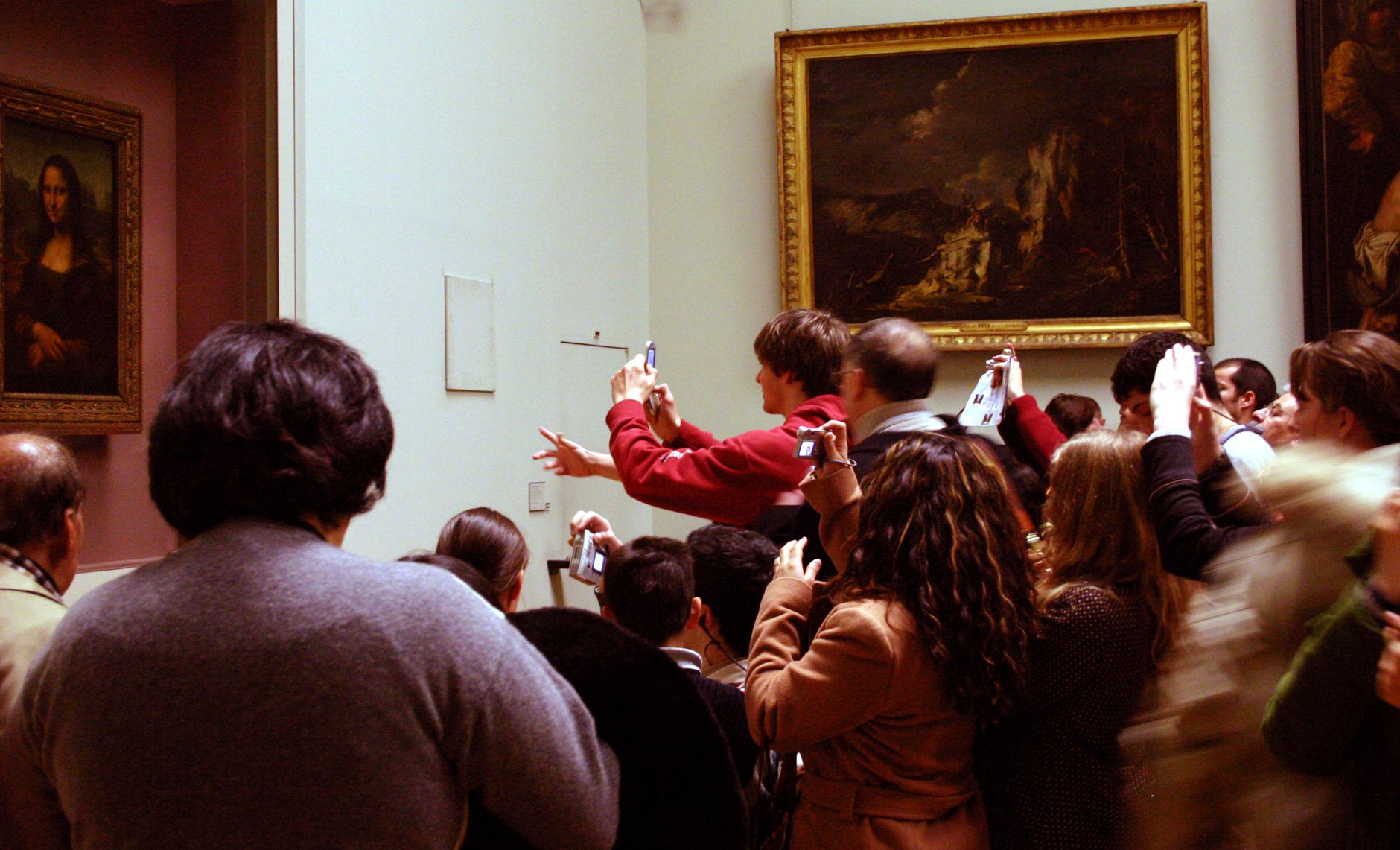
Every coastal sunset spot, every Brutalist staircase, every ceramics studio in Oaxaca now carries the weight of virality. When a location becomes content, it stops being a place and becomes a scarce resource requiring rationing. Museums that once welcomed curious wanderers now manage queues like concert venues. Beach clubs architect their exclusivity around reservation algorithms because engineered scarcity photographs better than accessibility. The image economy turned spontaneous discovery into a luxury most destinations can no longer afford to offer.

Dynamic Pricing Tools Killed the Casual Drop-In
Hospitality borrowed surge pricing from airlines and made it elegant. Reservation platforms like Resy and OpenTable don't just manage tables—they're revenue optimization engines that track demand patterns, charge premium slots, and create artificial windows of availability. Beach clubs and rooftop bars adopted the same logic: why leave money on the table when software can extract maximum value from every daybed and every hour? The technology that promised convenience delivered something else entirely—a system where access is auctioned to the highest bidder, months in advance.
Cities Became Destinations, Not Places People Actually Live
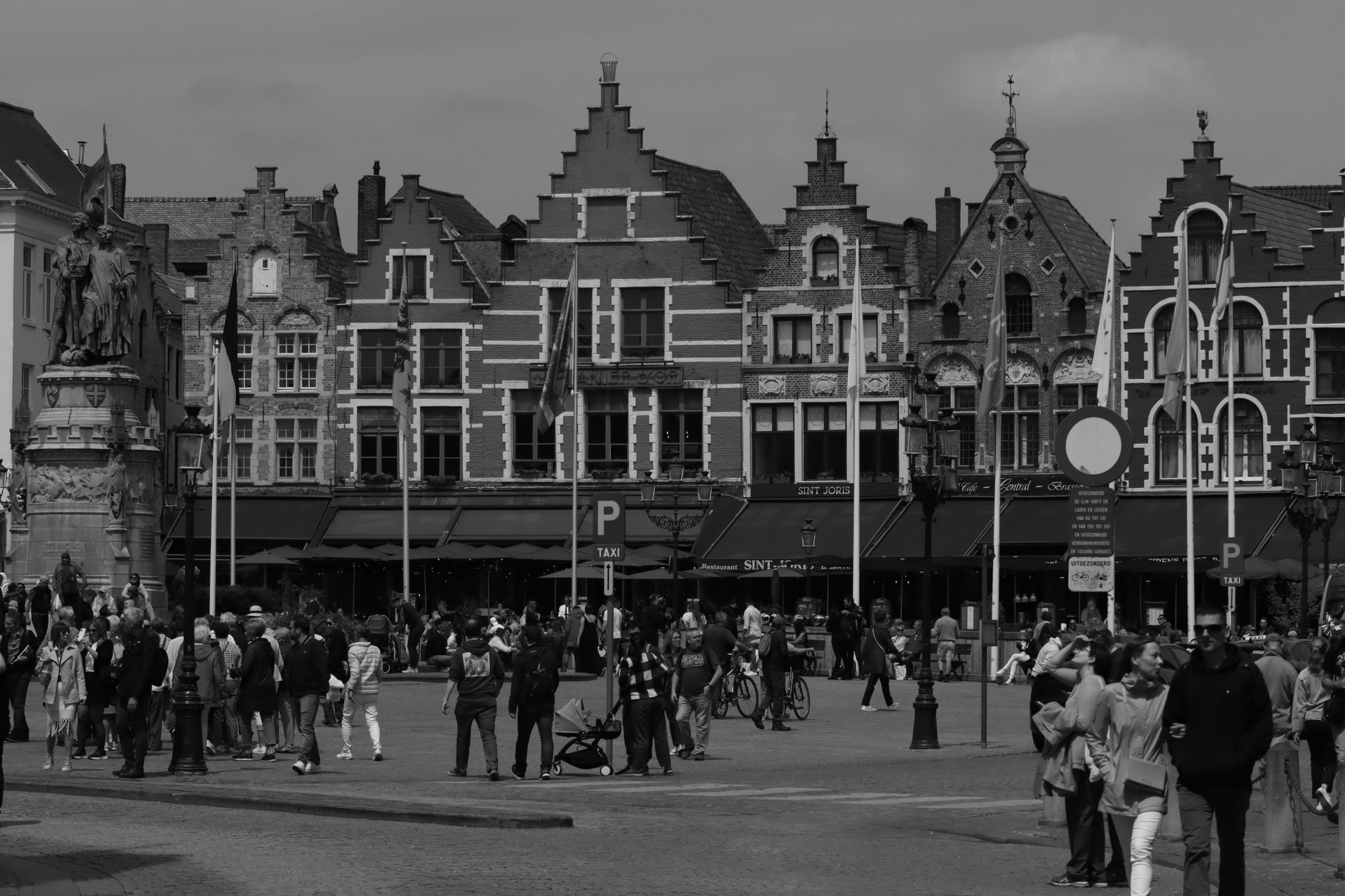
The moment a city optimizes for tourism, it stops functioning for spontaneity. Lisbon, Mexico City, Barcelona—these aren't neighborhoods anymore, they're curated experiences designed for the 72-hour visitor who researched everything on Reddit three months prior. Local institutions that once served their communities now cater to travelers with confirmed itineraries and Notion docs. The economic incentive is obvious: tourists with reservations spend more than locals dropping by. But the cost is a landscape where serendipity gets priced out in favor of pre-planned consumption.
We Confused FOMO with Actual Desire
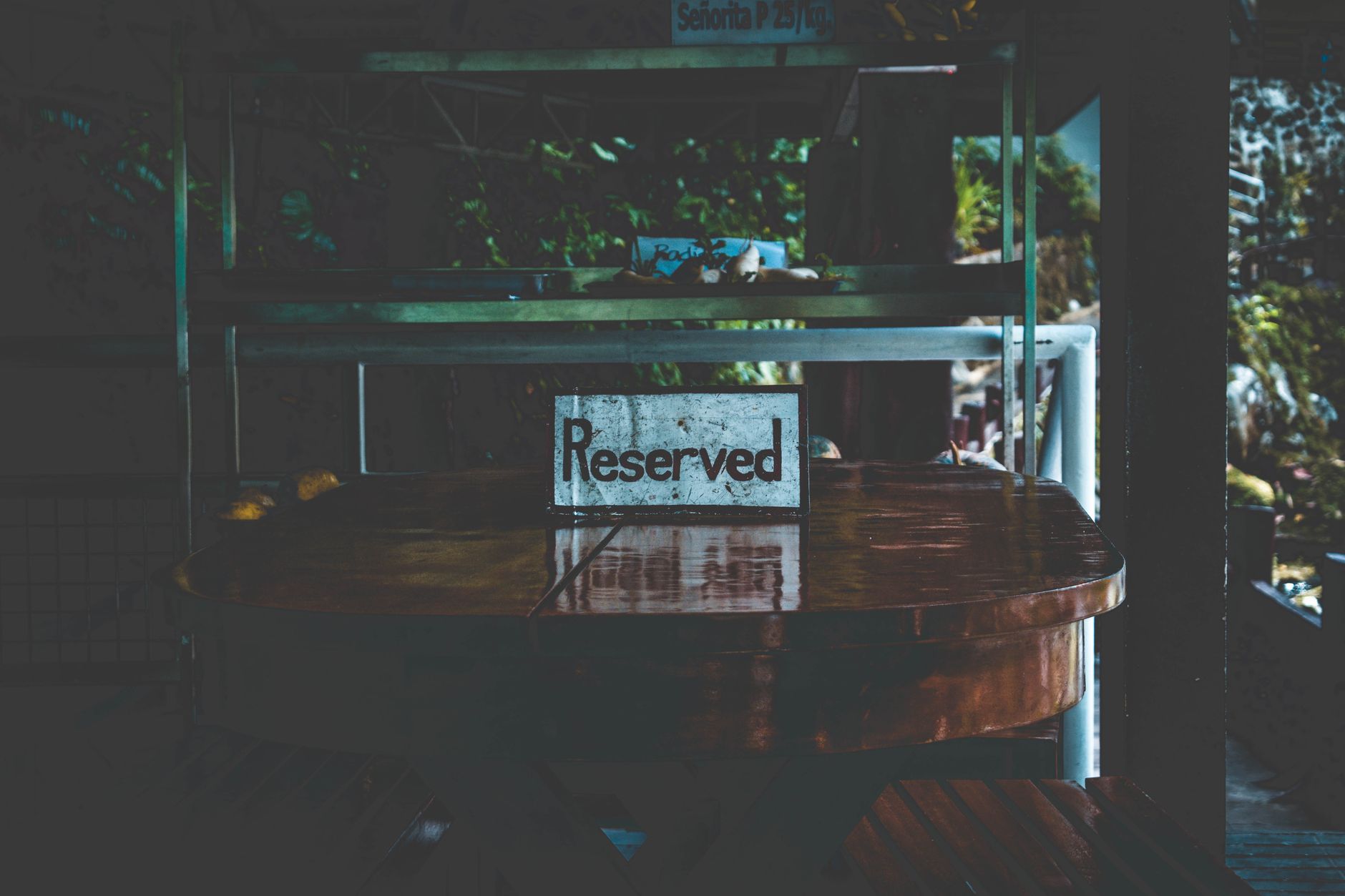
The reservation arms race isn't driven by genuine demand—it's fueled by the anxiety of missing what everyone else appears to have secured. We book tables at restaurants we're not sure we want to eat at, reserve museum slots for collections we might not care about, because the act of securing access feels like winning. Platforms feed this by displaying "only 2 slots left" notifications and "highly sought after" badges. What looks like popularity is often just manufactured urgency, and we've organized entire trips around it, mistaking the reservation itself for the experience it's supposed to unlock.