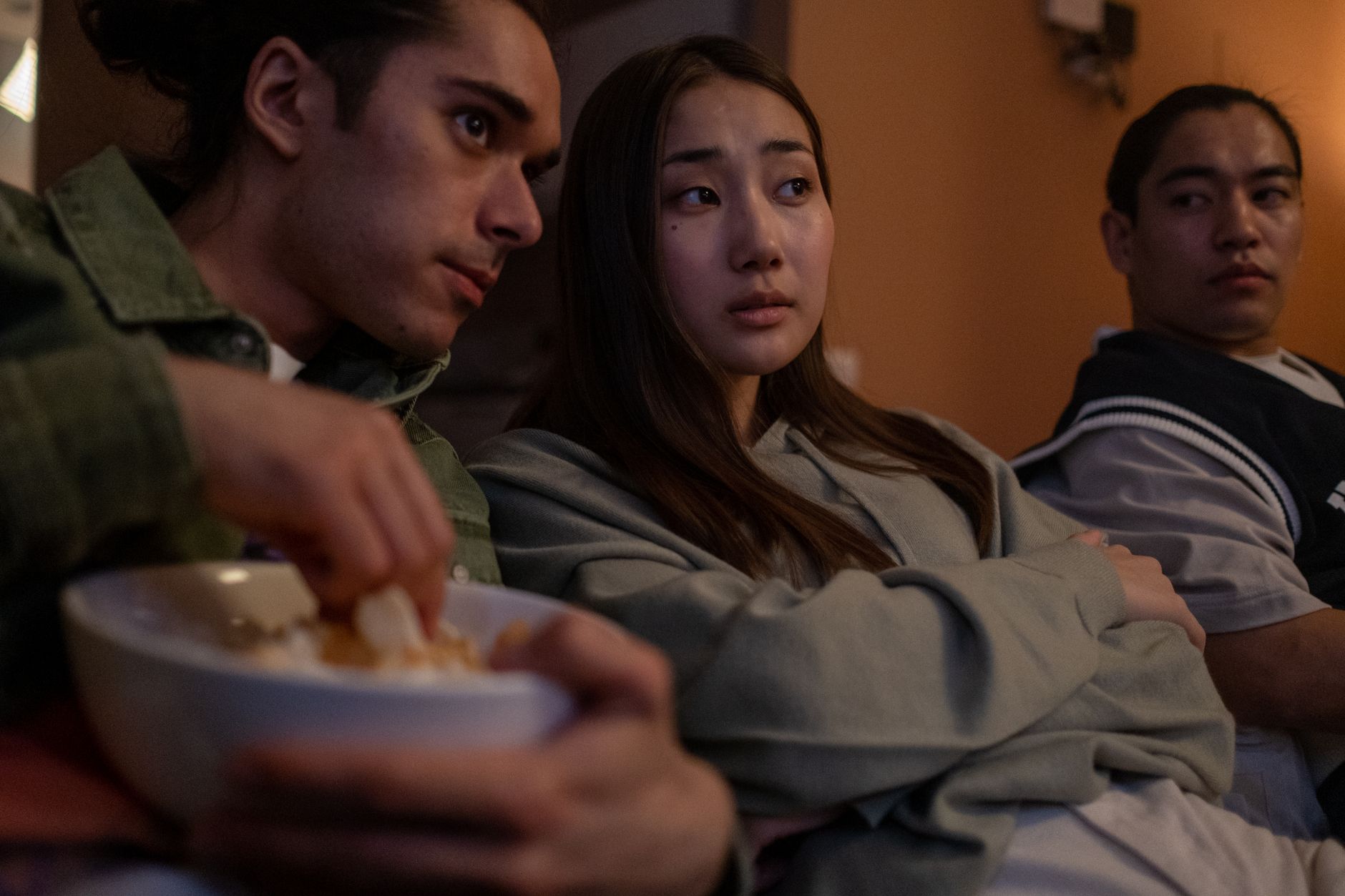
There's a particular cognitive dissonance happening in group chats everywhere: someone shares a restaurant, a song, a micro-trend, claiming they "found" it—when really, the algorithm served it to them on a silver platter at 3 AM. We've stopped discovering and started receiving, but the language of personal taste persists as if we're all still curating our lives from scratch.
The 'For You' feed didn't just change how we consume culture. It changed what culture is. Preference has become a feedback loop, taste a reflection of what you've already been fed. And the strangest part? Nobody's particularly bothered by it. We've traded the tyranny of choice for the comfort of being told what we want—and we're calling it personalization.

"I Have Eclectic Taste" Now Means "I Have Three Algorithm Profiles"
The new sophisticate doesn't dig through record stores—they maintain separate TikTok accounts for different aesthetic modes. One for minimal Scandi interiors, another for experimental jazz, a third for whatever cottagecore has morphed into this week. We've convinced ourselves this is curation when it's really just training multiple recommendation engines. The algorithm doesn't give you eclectic; it gives you hyper-segmented, and we've mistaken variety of feeds for range of taste.
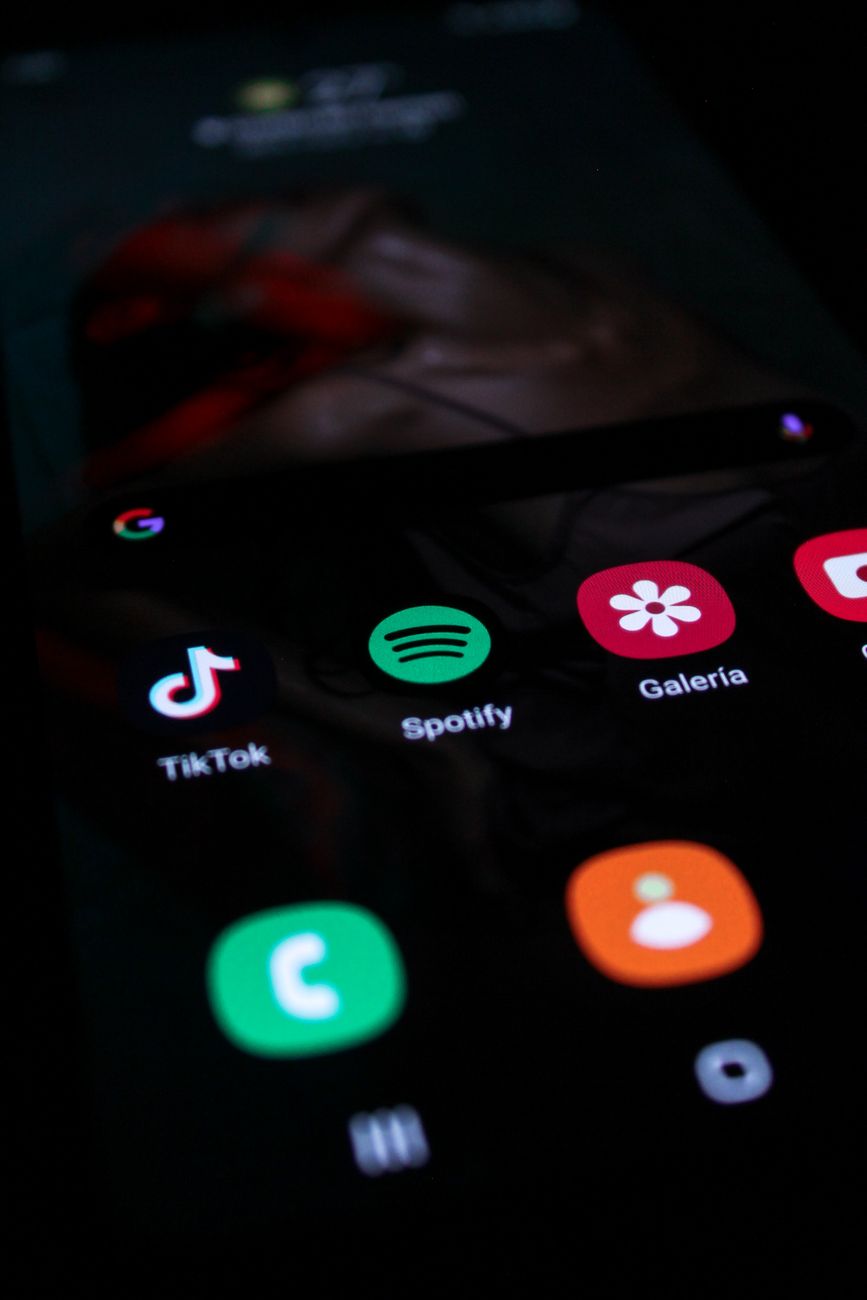
Spotify Wrapped Became More Important Than the Music
Nobody talks about their favorite album anymore—they talk about being in the top 0.5% of listeners for an artist they discovered in June. The annual Wrapped ritual proves we've outsourced memory itself to streaming data, treating algorithmic surveillance as personality. Your taste is now a dataset you receive once a year, validated not by what moved you but by what the platform tracked. It's self-knowledge as analytics report, and everyone's posting it like it's a Myers-Briggs result.

The Explore Page Killed the Flâneur
Wandering used to mean something—physically, culturally, intellectually. Now it's a vertical scroll through content pre-selected by your previous seven taps. The Explore page promises discovery but delivers pattern recognition, showing you variations on what you already liked until "exploring" just means confirming your existing preferences. The recommendation feed has created a generation that believes in serendipity while experiencing the opposite: a closed loop disguised as an open world.

We've Stopped Asking "What Do You Like?" and Started Asking "What's Your FYP Showing?"
Dinner party conversation has shifted from cultural opinions to algorithmic experiences. "My FYP is all Balkan war history right now" gets more traction than an actual book recommendation. We've started treating the feed as external weather rather than a mirror we've constructed through our own engagement. The algorithm isn't showing you what you like—you're liking what it shows you—but admitting that feels like admitting you're not the author of your own taste.

Liking Something Before It Trends Is Now Literally Impossible
The old cultural capital of early adoption has evaporated because there is no "early" anymore—only different algorithmic distribution curves. That band, that restaurant, that aesthetic was already trending in seventeen micro-communities before it hit your feed. We're all experiencing the same delayed virality at different times, convinced we're ahead of the curve when we're just on a different part of the same predetermined circuit. Taste-making died the moment the feed decided what constitutes a taste in the first place.
- "I Have Eclectic Taste" Now Means "I Have Three Algorithm Profiles"
- Spotify Wrapped Became More Important Than the Music
- The Explore Page Killed the Flâneur
- We've Stopped Asking "What Do You Like?" and Started Asking "What's Your FYP Showing?"
- Liking Something Before It Trends Is Now Literally Impossible