The world is ending on your television screen, but everyone has incredible knitwear. Civilization has collapsed, yet someone's managed to source vintage ceramics and organize a community theater production. Welcome to cozy catastrophe entertainment, where post-apocalyptic fantasy meets lifestyle programming, and the end times come with a farmhouse aesthetic.
Prestige television has discovered that audiences want their existential dread served with soft lighting and found family dynamics. From HBO to Apple TV+, every new fantasy series features the same formula: ecological or societal collapse, a small band of survivors with suspiciously good interpersonal skills, and production design that could double as a Kinfolk photoshoot. The apocalypse has been gentrified.

Survival looks like a shelter magazine spread
The Last of Us gave us fungal pandemic survivors living in converted museums with Edison bulbs. Station Eleven survivors perform Shakespeare in repurposed airports that look like boutique hotels. Production designers have realized that dystopia sells better when it resembles a renovation show—distressed wood, ambient firelight, handwoven textiles. The visual language says: yes, society collapsed, but we kept the good taste. It's aspirational prepping for the creative class, where resourcefulness means knowing how to style a bunker.
Apocalypse as therapy retreat
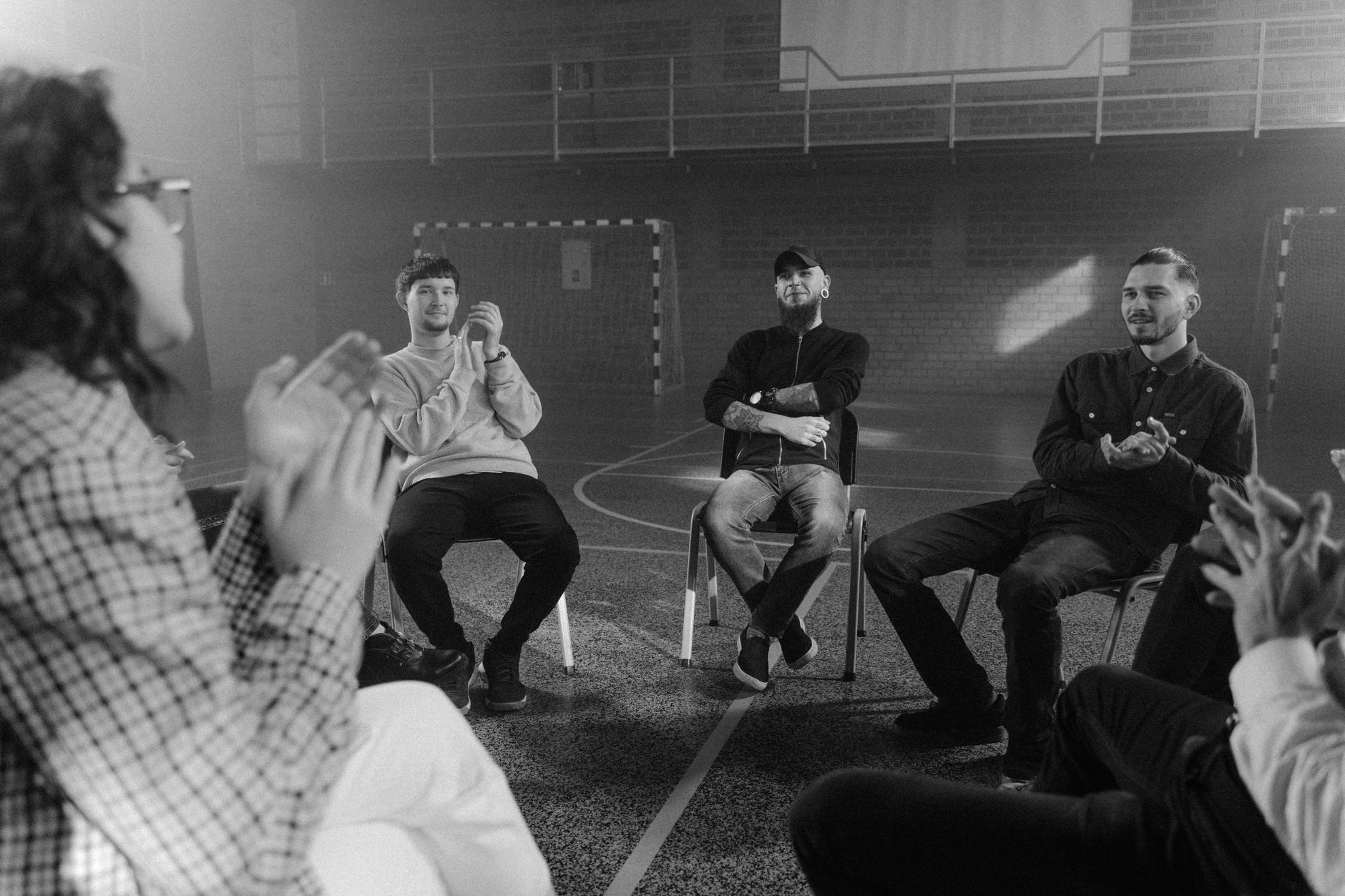
Post-apocalyptic characters now spend more time processing feelings than fighting zombies. Every fantasy series includes extended dialogue about trauma, chosen families who communicate their needs, and survivors who've somehow maintained their emotional intelligence through civilizational collapse. The end of the world has become a venue for radical vulnerability and community care. It's disaster as personal growth opportunity, where the real journey isn't survival—it's learning to let people in.

The cottagecore collapse
When society falls, everyone becomes a craftsperson. Characters forage, ferment, weave, and bake sourdough with the expertise of lifestyle influencers. The Last of Us features immaculate vegetable gardens. Silo survivors maintain unexplained grooming standards. Sweet Tooth offers post-plague homesteading that looks like an Anthropologie catalog. The message is clear: after capitalism, we'll all return to artisanal skills and simple pleasures, but make it photogenic.

Gentle authoritarianism with good bones
The authoritarian compounds and survival settlements now have architectural merit. Bunkers feature mid-century modern furniture. Walled communities show Scandinavian design influences. Even the oppressive regimes have a considered color palette and natural light. It's fascism, but with better spatial planning. These shows want viewers to feel conflicted—yes, it's a totalitarian nightmare, but look at those clean lines and that open floor plan.

Existential dread as ambient mood
The actual catastrophe happens off-screen or in soft focus. What matters is the vibe—melancholic but never hopeless, contemplative without being depressing. These shows have perfected the aesthetic of gentle decline: muted color grading, indie folk soundtracks, lingering shots of nature reclaiming parking lots. It's climate anxiety repackaged as prestige content, the end of everything transformed into something you could watch with a weighted blanket and herbal tea. Catastrophe as self-care.